Beyond the Shine Understanding Hypoallergenic Claims for Your Favorite Jewelry Metals
Why Understanding Sterling Silver's Hypoallergenic Properties Matters

Sterling silver hypoallergenic jewelry is generally safe for sensitive skin, but the answer depends on the metals mixed with the silver. Here's what you need to know:
- Yes, for most people - Sterling silver (92.5% pure silver, 7.5% other metals) is hypoallergenic when made with copper alloys.
- Allergic reactions to silver and copper are extremely rare - affecting less than 1% of the population.
- Quality matters - High-quality sterling silver from reputable manufacturers avoids nickel, the most common jewelry allergen.
- Nickel is the problem - Approximately 5-10% of people have a nickel allergy, which causes rashes and itching.
- Low-quality pieces may contain nickel - Avoid cheap sterling silver or silver-plated jewelry that may use nickel in the alloy.
Have you ever found the perfect piece of jewelry only to break out in an itchy rash? You're not alone. With 20% of the global population allergic to at least one metal, finding beautiful, wearable jewelry is a genuine challenge.
The frustration is real when an investment in what seems like quality jewelry leads to a skin reaction. The culprit is usually nickel, the most common allergy-causing metal. The good news is that properly crafted sterling silver offers a great solution for sensitive skin.
The difference between irritating and comfortable jewelry comes down to material composition and manufacturing standards. Not all sterling silver is created equal, and understanding these differences is key to making informed purchases.
I'm Eric Roach Zalori, and through my work with Summit Metals Holdings and Zalori, I've seen how base metal quality determines if sterling silver is truly hypoallergenic. My experience has taught me that authentic craftsmanship starts with knowing exactly what's in each piece, and I'm here to help you steer the confusing world of hypoallergenic jewelry claims.

Decoding the Terms: 'Hypoallergenic' and '925 Sterling Silver'
To confidently choose jewelry that won't irritate your skin, you need to understand two key terms: "hypoallergenic" and "925 sterling silver."
What Does 'Hypoallergenic' Mean for Jewelry?
"Hypoallergenic" on a jewelry label means the piece is less likely to cause an allergic reaction. It doesn't guarantee zero risk, as individual body chemistry varies. It signifies that the jewelry is made without common allergens, primarily nickel, which causes most jewelry-related reactions. Other potential irritants include cobalt and chromium.
A hypoallergenic label indicates these problematic metals are absent or present in such minimal amounts that most people won't react. It's about minimizing risk for those with known sensitivities. If you've experienced redness or itching from jewelry, these options are made for you. For a deeper look, see our guide on unmasking the metals in your jewelry.
What is 925 Sterling Silver?
Now, what about that "925" stamp on silver jewelry?
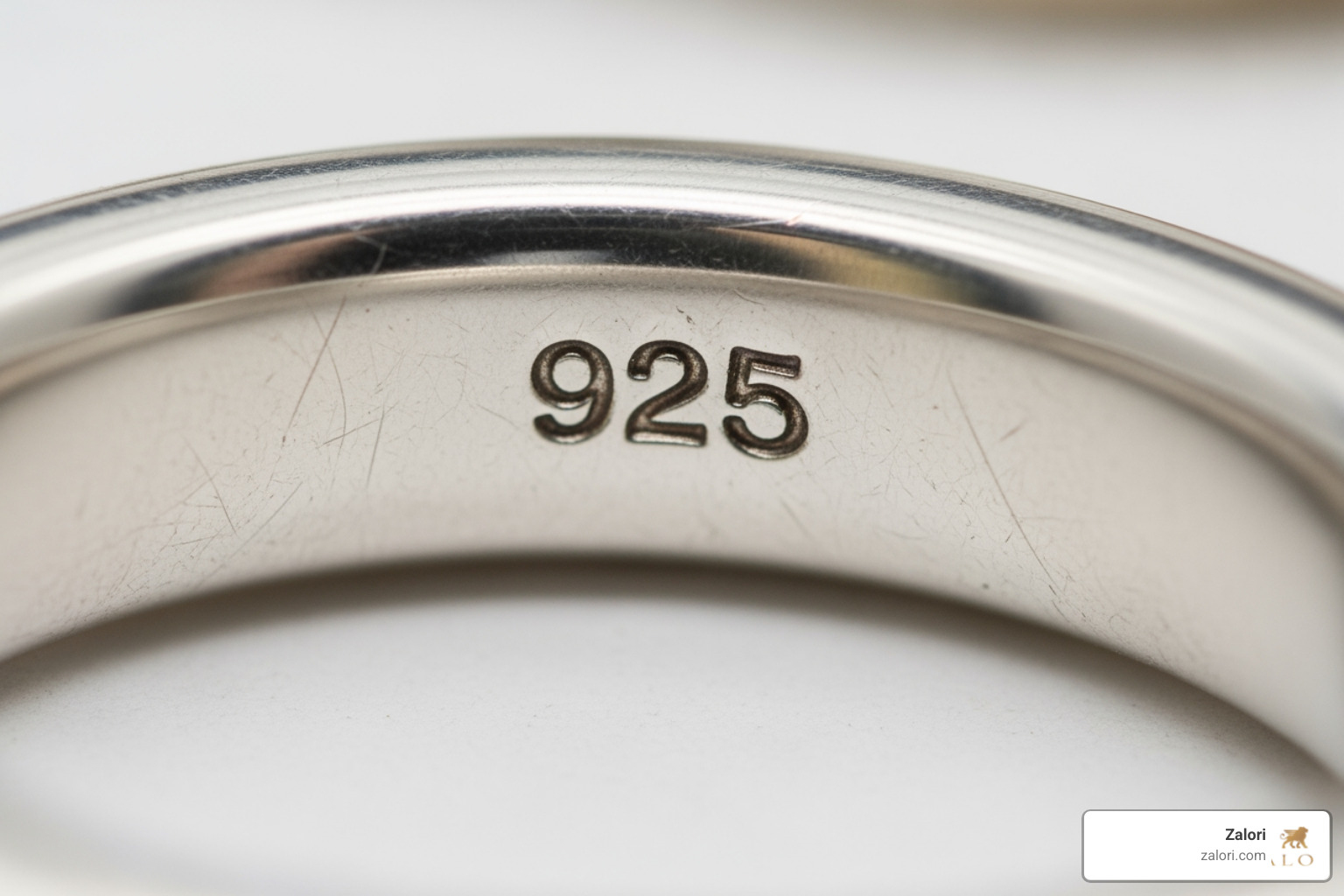
Pure silver is beautiful but too soft for durable jewelry. To solve this, it's mixed with other metals to create an alloy called sterling silver. It consists of 92.5% pure silver and 7.5% other metals, providing the ideal balance of beauty and strength.
The "925" hallmark is your guarantee that the piece meets this international quality standard. In high-quality sterling silver, the remaining 7.5% is typically copper. Since allergies to both silver and copper are very rare, this specific composition makes sterling silver hypoallergenic for most people.
To learn more, the USGS explains what sterling silver is, and our buyer's guide to genuine silver offers further details.
Is Sterling Silver Hypoallergenic? A Deep Dive into Metal Composition
The short answer to whether sterling silver hypoallergenic is yes—but only when it's made properly. Quality makes all the difference.
The Primary Culprit: Understanding Nickel Allergy
If a necklace has ever left your skin red and itchy, you've likely encountered nickel. This inexpensive metal is behind most jewelry allergies, affecting 5-10% of the population. It's used to add shine cheaply but can trigger allergic contact dermatitis. Symptoms appear within 12 to 48 hours and include itching, redness, swelling, and even blistering.
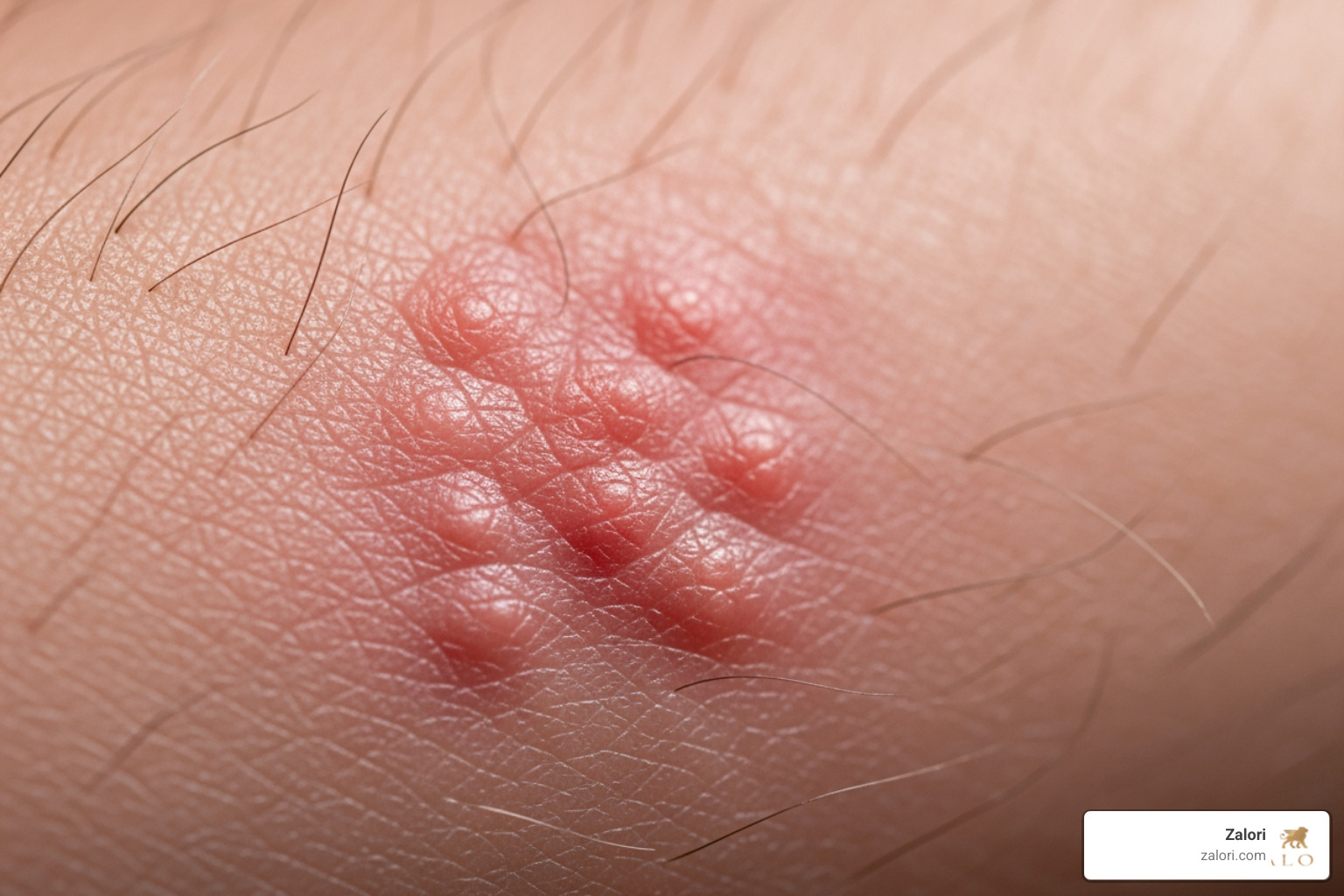
The Mayo Clinic details the Symptoms and causes of nickel allergy. Our guide, Why Do My Ears Hurt? A Complete Guide to Hypoallergenic Jewelry, also explores this issue.
Why High-Quality Sterling Silver is Hypoallergenic
High-quality sterling silver is hypoallergenic because its 7.5% alloy is typically copper. Since allergies to pure silver and copper are extremely rare (affecting less than 1% of people), genuine sterling silver hypoallergenic jewelry from reputable makers is safe for most.
However, low-quality pieces may contain nickel in the alloy to cut costs, which can trigger reactions. This is why purchasing from trusted jewelers who use nickel-free alloys is crucial. The difference between comfortable and irritating jewelry is often in that small 7.5% portion. The National Library of Medicine provides Scientific research on metal allergies for those interested in the science.
The Role of Coatings and Advanced Alloys
Many jewelers improve sterling silver to be more skin-friendly and durable. Rhodium plating, for instance, adds a protective barrier of a precious, silvery-white metal. This shield makes the jewelry brighter, offers an extra layer of protection for sensitive skin, and provides improved tarnish resistance.
Advanced alloys like Argentium silver, which replaces some copper with germanium, offer even greater tarnish-resistance and increased durability while remaining hypoallergenic. These innovations ensure your jewelry is both beautiful and long-lasting. Learn more in The Material World: Uncovering the Secrets of True Quality.
A Practical Guide for Sensitive Skin
Finding jewelry that loves your skin back is possible with a bit of know-how. You can confidently build a collection of beautiful pieces that you'll want to wear every day.
Identifying and Choosing Safe Jewelry
To find irritation-free jewelry, become a savvy shopper. Here's how to identify safe sterling silver hypoallergenic pieces:
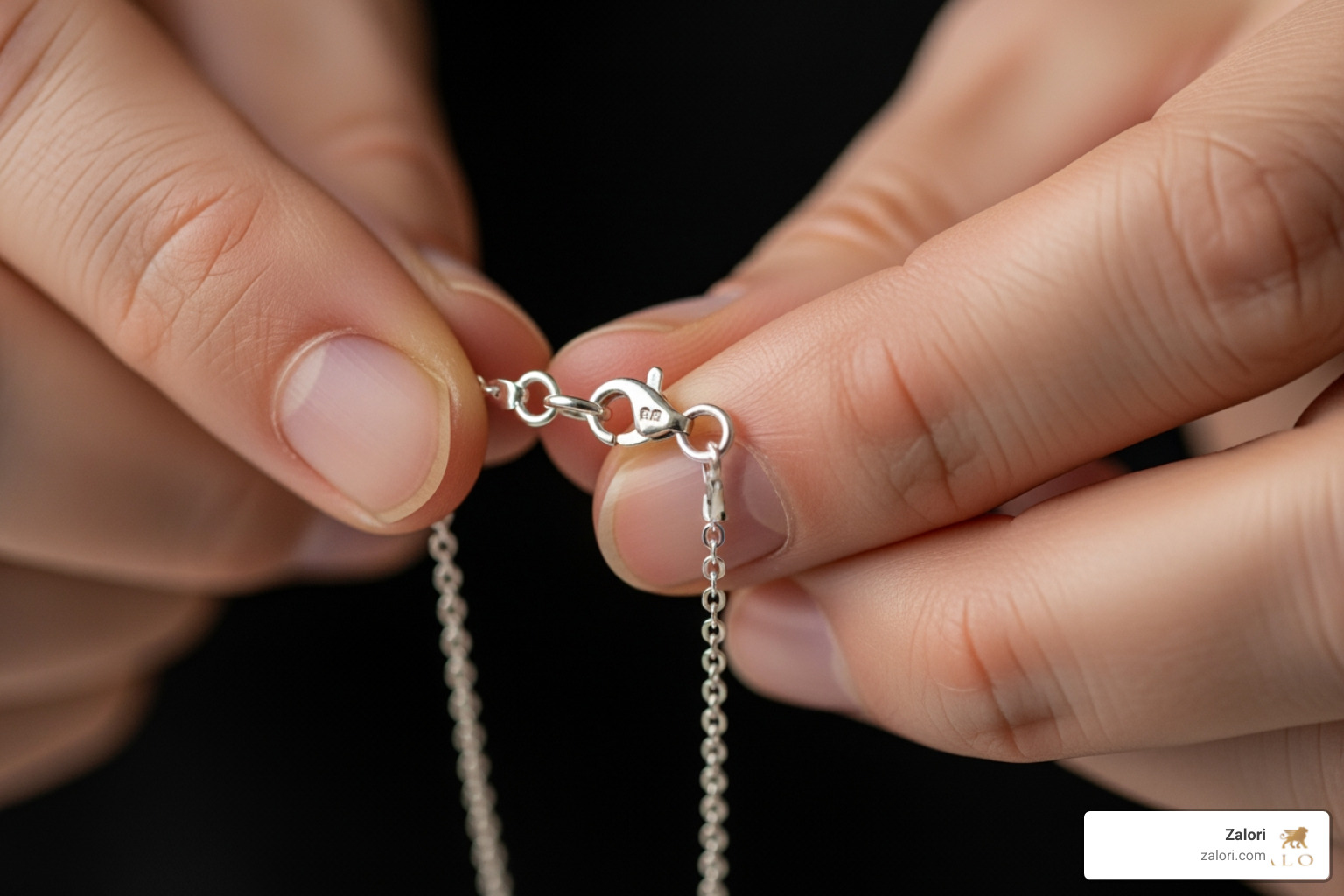
- Read labels carefully: Look for "925 sterling silver," not vague terms like "silver-tone."
- Check for hallmarks: The "925" stamp is your guarantee of authenticity, confirming 92.5% pure silver.
- Choose reputable jewelers: Quality brands are transparent about using genuine, nickel-free 925 sterling silver. At Zalori, we are committed to these standards for your comfort.
- Avoid "silver-plated" jewelry: The thin silver layer wears off, exposing base metals that often contain nickel.
- Look for "nickel-free" labels: This is a clear sign the manufacturer prioritizes sensitive skin.
Choosing correctly means genuine all-day comfort without irritation. Our guide on the 5 Keys to the Perfect Jewelry for Sensitive Skin offers more tips.
Caring for Jewelry to Maintain Hypoallergenic Properties
Proper care maintains the beauty and hypoallergenic properties of your sterling silver hypoallergenic jewelry. Follow these simple steps:
- Clean regularly: Polish with a soft cloth after wearing to remove oils and lotions. This prevents buildup that can trap moisture and cause irritation.
- Avoid harsh chemicals: Use gentle cleaners specifically made for sterling silver to protect coatings like rhodium.
- Store properly: Keep jewelry in an airtight bag or lined box to protect it from moisture and air pollutants that cause tarnish.
- Prevent tarnish: While not an allergen, a tarnished surface can be irritating. Wearing your silver often helps prevent tarnish, but remove it before swimming or bathing.
For a complete guide, see our article on Sterling Silver Care 2025: How to Clean, Store, and Prevent Tarnish.
Can You Still React to Sterling Silver Hypoallergenic Jewelry?
While high-quality sterling silver hypoallergenic jewelry is safe for most, reactions can still occur in rare cases due to extreme metal sensitivities or unique body chemistry. Although copper allergies are very rare (under 1%), they do exist.
If you have a history of reactions, try a patch test: wear a new piece for a few hours and monitor your skin before wearing it for longer periods. If irritation persists even with hypoallergenic jewelry, consult a dermatologist or allergist. They can perform tests to identify your specific metal triggers, as explained by resources like More on metal allergies.
For the majority, however, quality sterling silver is a safe and beautiful choice. It's about choosing wisely and listening to your body.
Beyond Silver: Exploring Other Hypoallergenic Metals
While high-quality sterling silver hypoallergenic jewelry is a fantastic option, other metals also offer safe and beautiful choices for sensitive skin. Here are some top alternatives:
- Platinum: A luxurious, naturally white, and highly durable metal. It's one of the most precious and hypoallergenic materials available.
- Palladium: A member of the platinum family, it's also naturally white and hypoallergenic but is lighter and more affordable.
- Titanium: Extremely strong, lightweight, and biocompatible (used in medical implants). It's completely nickel-free and has a modern look.
- Niobium: Another biocompatible metal that can be anodized to create vibrant colors without dyes, making it popular for artistic pieces.
- High-Karat Gold (14k, 18k, or 24k): Naturally hypoallergenic, especially in higher purities like 18k. Reputable jewelers use nickel-free alloys.
- Surgical Stainless Steel (316L): An affordable and durable option with minimal nickel content, widely used for body jewelry.
- Rhodium: A precious, hard, and reflective metal often used as a hypoallergenic plating over other metals.
Each metal has a unique feel and look. The best choice depends on your style, budget, and skin. Our guide on The 7 Best Hypoallergenic Metals Compared offers a detailed breakdown.
To help you quickly compare two of the most popular choices for everyday wear, here's a straightforward comparison:
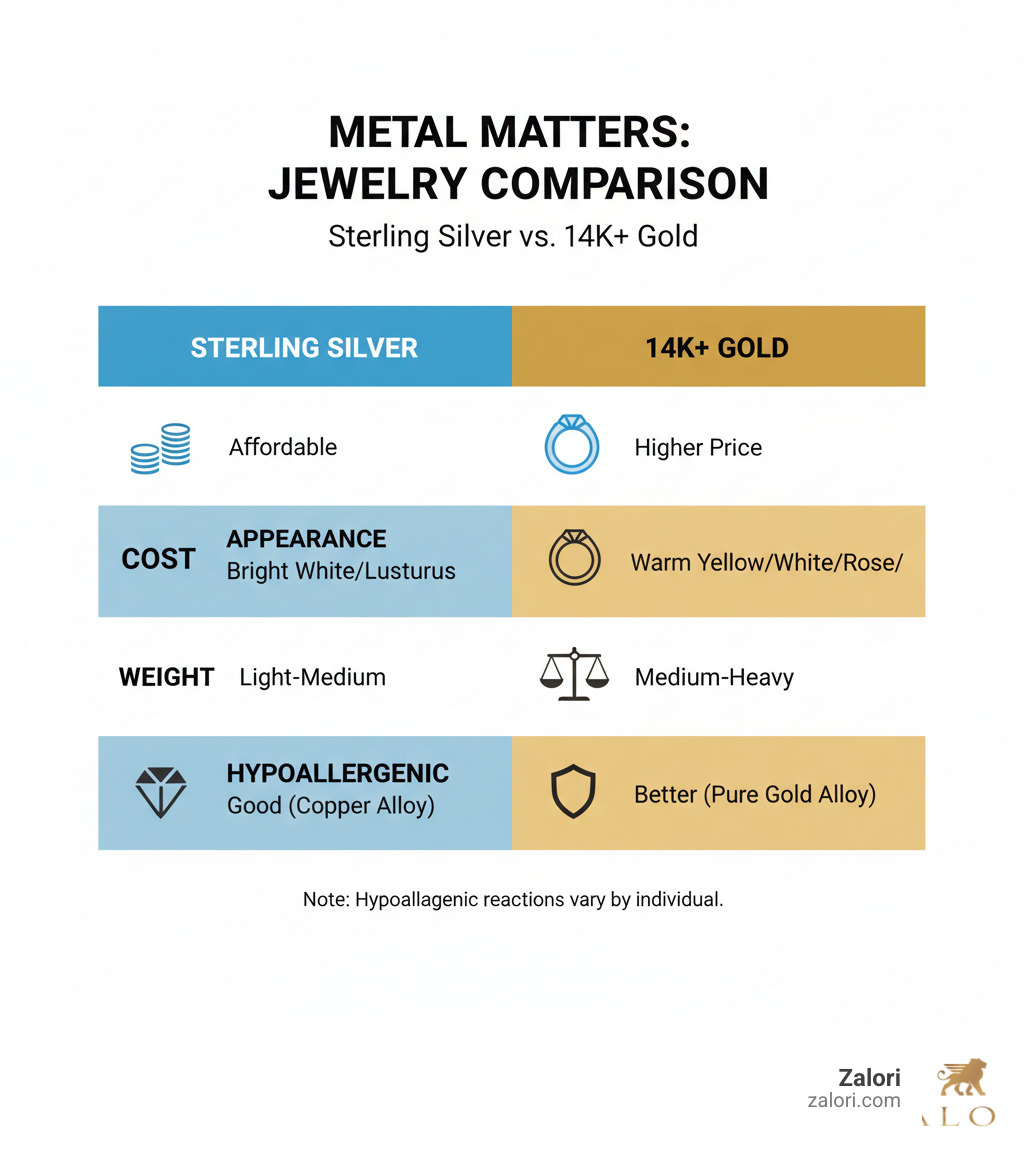
Both sterling silver hypoallergenic jewelry and 14k+ gold are excellent for sensitive skin. Silver offers cool elegance at an accessible price, while gold provides timeless luxury. At Zalori, we craft pieces from both, ensuring high-quality, comfortable, and beautiful jewelry.
Frequently Asked Questions about Sterling Silver and Allergies
Let's clear up some of the most common concerns about sterling silver hypoallergenic jewelry.
Does sterling silver turn your skin green?
The green tint on your skin isn't from the silver itself but from the copper in the alloy. When copper reacts with moisture (like sweat or lotion) and your skin's acidity, it oxidizes. This creates a harmless green or black layer that transfers to your skin.
This is not an allergic reaction. To prevent it, keep your jewelry clean and dry. Remove it before exercising, swimming, or applying lotions. Wiping it with a soft cloth after wear also helps.
What's the difference between sterling silver and silver-plated jewelry?
This difference is crucial for sensitive skin. Sterling silver is a solid alloy (92.5% silver, 7.5% other metals) from its surface to its core. It's durable and remains hypoallergenic even when scratched.
Silver-plated jewelry has only a thin silver coating over a base metal, which is often nickel. This coating wears off quickly, exposing your skin to the underlying metal and potentially causing an allergic reaction. For durability and skin safety, solid sterling silver is the superior investment. Our Buyer's Guide to Genuine Silver has more details.
Can I be allergic to pure silver or copper?
It's extremely unlikely. Allergies to pure silver and copper are exceptionally rare (affecting less than 0.1% of people). Most reactions are caused by nickel.
If you react to a piece labeled "sterling silver," it's more likely that it's a low-quality piece containing nickel, is silver-plated with the plating worn off, or has a buildup of irritants on the surface. Purity matters tremendously. Reputable manufacturers use certified, nickel-free 925 sterling silver. As scientific research shows, the main culprits are nickel, cobalt, and chromium.
If you have concerns, a dermatologist can perform patch testing. Coastal Allergy & Asthma offers more information.
Conclusion: Making an Informed and Neat Choice
Choosing beautiful jewelry that's gentle on your skin is achievable. As we've seen, high-quality sterling silver hypoallergenic jewelry is a safe and excellent choice for most people with sensitive skin.
Genuine 925 sterling silver, made of 92.5% silver and 7.5% copper, is rarely the cause of irritation. The true culprit is usually nickel, which reputable manufacturers avoid. Your key to an irritation-free experience is knowledge: understanding hallmarks, avoiding silver-plating, and choosing trusted jewelers.
Remember to care for your jewelry and consider other hypoallergenic options like platinum or high-karat gold if you have extreme sensitivities. At Zalori, we are committed to exceptional craftsmanship and high-quality, authentic materials, ensuring every piece is designed for your beauty and comfort.
We invite you to Explore our collection of high-quality jewelry and find pieces that love your skin back. For more tips, Unmask the metals in your jewelry.
Related Articles
View all