5 Keys to the Perfect Jewelry for Sensitive Skin
Why Finding the Best Jewelry for Sensitive Skin Matters
The best jewelry for sensitive skin includes platinum, titanium, surgical stainless steel, high-karat gold (18k+), and sterling silver. These materials are hypoallergenic and less likely to cause allergic reactions.
Top 5 Hypoallergenic Jewelry Materials:
- Platinum - 95% pure, most hypoallergenic precious metal
- Titanium - Implant-grade, lightweight, completely nickel-free
- Surgical Stainless Steel (316L) - Durable with minimal nickel content
- High-Karat Gold (18k+) - Less alloy content means fewer irritants
- Sterling Silver - 92.5% pure silver, generally safe when nickel-free
"That beautiful new necklace or pair of earrings should bring joy, not an itchy, red rash." This frustrating reality affects millions of jewelry lovers who experience contact dermatitis from common metals like nickel, which triggers allergic reactions in 15% of the population.
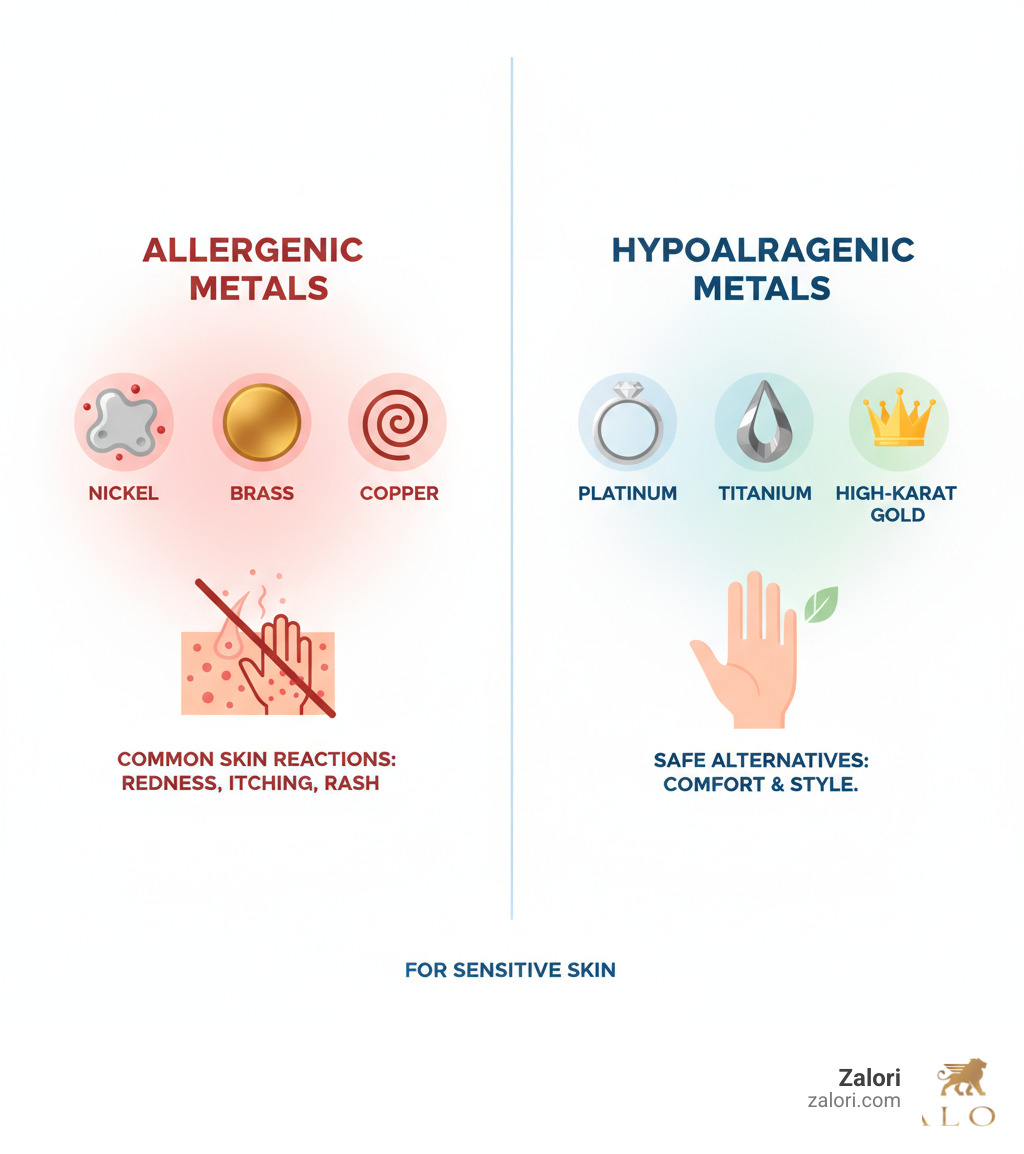
The problem isn't your skin - it's the jewelry. Many pieces contain cheap alloys like nickel, brass, and copper that cause redness, itching, and even blistering. But you don't have to give up wearing beautiful jewelry.
The solution lies in understanding which materials work with your skin, not against it.
I'm Eric Roach Zalori, and through my work with Summit Metals Holdings and launching Zalori, I've dedicated my career to sourcing the finest hypoallergenic materials for discerning jewelry lovers. My experience has taught me that the best jewelry for sensitive skin combines luxury craftsmanship with pure, biocompatible metals that let you wear beautiful pieces without compromise.
Key 1: Understanding Jewelry Allergies and Their Causes
You slip on a new bracelet, but within hours, your wrist is itching with an angry red rash. This common experience isn't your fault. What you're experiencing is allergic contact dermatitis, your immune system's overzealous response to certain metals, treating them like dangerous intruders.
The biggest troublemaker? Nickel. This metal is common in jewelry because it's cheap, strong, and provides a shiny white finish. The problem is that 15% of people are allergic to nickel—that's roughly one in seven of us with a built-in nickel detector that sounds alarms through our skin.
But nickel isn't working alone. Brass and copper are common accomplices. Copper can turn your skin green as it oxidizes. While that green tinge isn't an allergic reaction, it often comes with unwanted itchiness and irritation.
When shopping for the best jewelry for sensitive skin, you'll encounter two important terms. "Nickel-free" is straightforward—zero nickel. "Hypoallergenic" is broader, meaning "less likely to cause reactions." It's the difference between a guarantee and a good promise.
At Zalori, we lean heavily toward nickel-free options because that's what truly works for sensitive skin. For the complete story on avoiding metal mayhem, check out our guide Unmasking the metals: Your guide to irritation-free jewelry.
Signs of an Allergic Reaction
Your skin is good at telling you when something's wrong. Jewelry allergies typically show up right where the metal meets your skin.
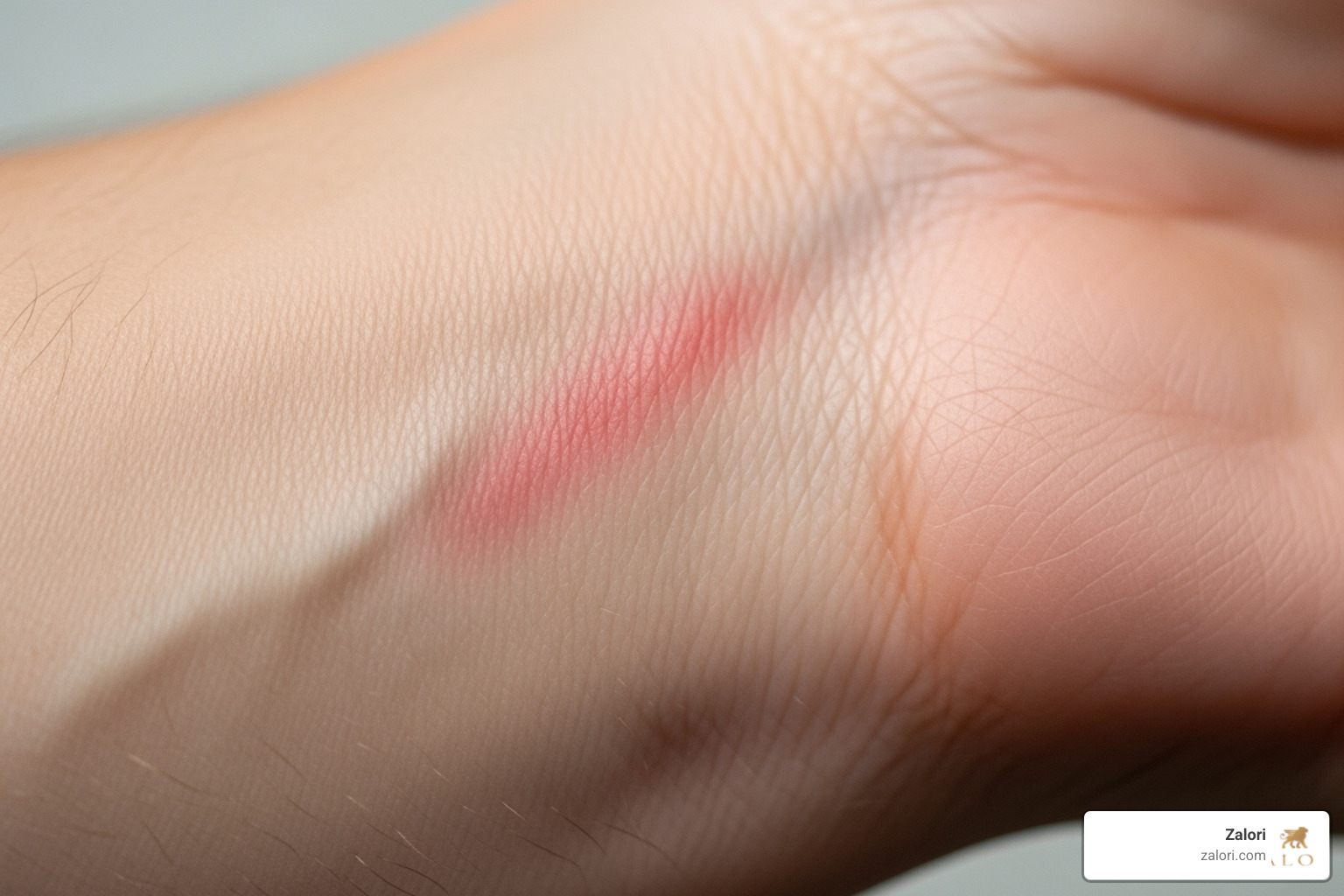
Itching usually arrives first, followed by redness that paints the contact area in shades of pink to angry red. Swelling might make the area look puffy, while blisters can form in more serious reactions, sometimes leaving crusty patches as they heal.
Then there's discoloration. Copper is notorious for the green-skin phenomenon, though it's more about chemistry than allergy. You can dive deeper into this colorful mystery with Why some jewelry turns your skin green.
The golden rule? Remove the jewelry immediately when you notice any of these signs. A gentle wash with mild soap and some soothing cream usually helps. If symptoms are serious or don't settle down, call your dermatologist.
Why Earrings Often Cause the Biggest Problems
If you've wondered why earrings are often the worst offenders for sensitive skin, there's science behind it. Your earlobes are a perfect storm for jewelry reactions.
First, earlobe skin is remarkably thin and more delicate than the skin on your wrists or neck. Second, earrings create direct, prolonged contact with your skin, sometimes for 12+ hours. That's a long time for problematic metals to do their damage.
New piercings are especially vulnerable because your body is healing around a foreign object. If that object contains nickel or other irritants, you're setting yourself up for trouble.
The good news is that once you know what to look for, finding comfortable earrings is much easier. We've put together comprehensive guides to help: Sensitive ears, find your metal match for happy lobes and Sensitive ears rejoice: Picking the right hypoallergenic leverback earrings.
The bottom line? Your sensitive skin doesn't mean you have to give up beautiful jewelry. It just means you need to be a smarter shopper.
Key 2: Your Guide to the Best Jewelry for Sensitive Skin
Finding the best jewelry for sensitive skin doesn't mean compromising on beauty or style. The secret lies in understanding biocompatibility – how well a material plays with your skin without causing trouble. We're looking for inert metals that won't react with your skin oils, sweat, or daily moisturizer. Think of these materials as the diplomatic ambassadors of the jewelry world – they get along with everyone.
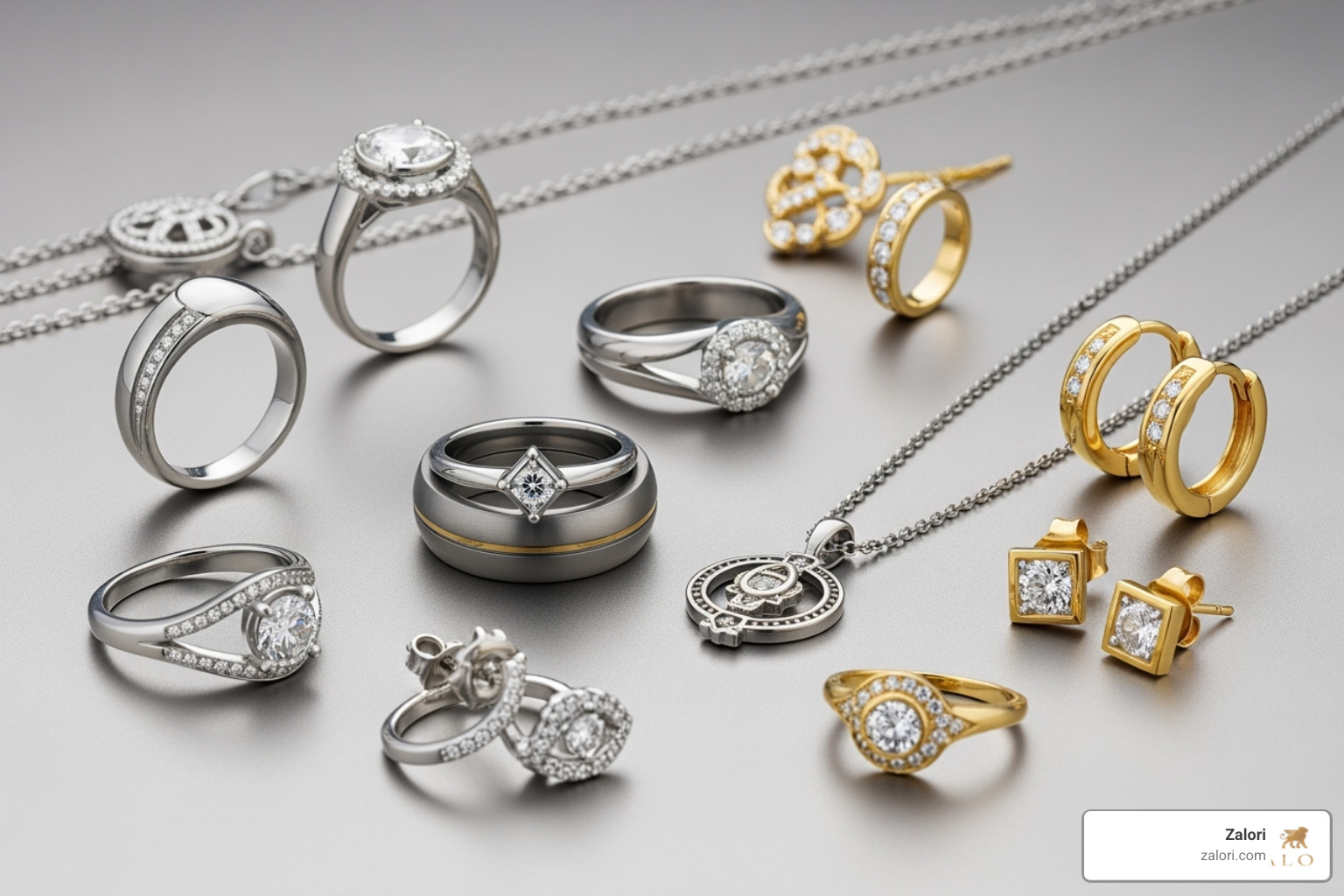
The good news? Fine jewelry offers several gorgeous options that combine luxury with skin-friendly properties. Let's explore the champions of hypoallergenic jewelry.
The Premium Choices: Platinum and Palladium
When you want the absolute best for sensitive skin, platinum and palladium are like the VIP section of metals – exclusive, pure, and incredibly well-behaved.
Platinum: The Gold Standard for Sensitive Skin
Platinum isn't just one of the rarest precious metals on Earth – it's also the ultimate choice for anyone with sensitive skin. Here's why platinum earns its reputation as the best jewelry for sensitive skin: it's typically 95% pure in fine jewelry, with the remaining 5% being other platinum-group metals like iridium or ruthenium. These companion metals are just as gentle and inert as platinum itself.
What makes platinum so special? Its incredible durability means it won't wear down and expose you to irritating particles. Its natural white sheen never fades or requires re-plating, so there's no risk of protective coatings wearing off. Plus, if platinum is good enough for medical implants, it's definitely gentle enough for your favorite earrings.
Palladium: Platinum's Neat Cousin
Meet Palladium, platinum's more affordable but equally sophisticated relative. This platinum-group metal offers the same hypoallergenic benefits at a more accessible price point. Like platinum, palladium jewelry is typically 95% pure, making allergic reactions extremely unlikely.
Palladium brings some unique advantages to the table. It's naturally lightweight, so even substantial pieces feel comfortable all day long. It's also scratch-resistant and maintains that beautiful natural white color without any yellowing over time. For those seeking luxury without the premium platinum price tag, palladium delivers exceptional value and comfort.
The Modern Powerhouses: Titanium and Surgical Stainless Steel
Modern metallurgy has given us some fantastic options that combine cutting-edge science with everyday wearability.
Titanium: The Space-Age Solution
Titanium is completely nickel-free and boasts the kind of biocompatibility that makes it perfect for surgical implants and spacecraft. If it can handle the human body and outer space, your daily jewelry routine should be a breeze.
What makes titanium extraordinary for sensitive skin? It's incredibly lightweight – you might forget you're wearing it. It's also remarkably strong and completely resistant to corrosion, tarnishing, and rust. The natural silvery-white finish looks sleek and modern, but titanium can also be anodized to create vibrant, permanent colors that won't chip or fade.
Surgical Stainless Steel: The Reliable Workhorse
Not all stainless steel is created equal, but surgical-grade stainless steel (particularly 316L) is specifically designed to be hypoallergenic. While it does contain nickel, the nickel is tightly bound within the alloy structure, making it extremely unlikely to cause reactions. This is why stainless steel is trusted for medical instruments and body jewelry.
Surgical stainless steel offers incredible durability and resistance to rust and corrosion, all at an affordable price point. It maintains a bright, silvery appearance that can withstand daily wear without losing its shine. For those seeking robust and budget-friendly best jewelry for sensitive skin, surgical-grade stainless steel delivers reliability and style.
Other Safe Materials
Beyond the main players, there's one more material worth knowing about for its exceptional skin-friendly properties.
Niobium: The Artistic Alternative
Niobium might be less familiar, but it's another champion for sensitive skin. This inert metal is highly biocompatible and extremely unlikely to cause any allergic reactions. While softer than titanium, niobium has an incredibly smooth finish that feels gentle against skin.
What makes niobium particularly exciting is its artistic potential. It can be anodized into a stunning spectrum of colors, creating unique pieces that go far beyond traditional metal tones. It's proof that choosing skin-friendly jewelry doesn't mean sacrificing creativity or personal style.
For a deeper dive into understanding quality materials and what makes them special, explore The material world: Uncovering the secrets of true quality.
Key 3: Decoding Gold and Silver for Sensitive Skin
When it comes to traditional precious metals, gold and silver hold a special place in our hearts. These timeless beauties have adorned humans for thousands of years, but their relationship with sensitive skin can be complicated. The secret lies in understanding metal purity, karats, and alloys that make these soft metals wearable.
Here's the thing: pure gold and silver are naturally gentle on skin, but they're also incredibly soft. Try making a ring from pure 24k gold, and you'll have a beautiful piece that bends if you look at it wrong! That's why jewelers mix these precious metals with other materials to create stronger alloys. Unfortunately, it's often these added metals that can cause trouble for sensitive skin.
Decoding Gold: The best jewelry for sensitive skin in a classic metal
Pure 24k gold is completely hypoallergenic - your skin will never react to it. But as we mentioned, it's simply too soft for everyday jewelry. That's where the karat system comes in, telling us exactly how much pure gold is mixed with other metals.
The math is straightforward: higher karats mean more pure gold and fewer potentially irritating alloys. For the best jewelry for sensitive skin in gold, we generally recommend 18k gold or higher.
| Karatage | Purity | Durability | Hypoallergenic Properties | Common Alloys |
|---|---|---|---|---|
| 24k | 100% | Very soft | Excellent | None |
| 18k | 75% | Good | Very Good | Copper, Silver, Zinc |
| 14k | 58.3% | Excellent | Good (if nickel-free) | Copper, Silver, Nickel, Zinc |
Yellow gold is typically your safest bet, usually alloyed with copper and zinc. When you choose 18k yellow gold or higher, you're getting a piece that's generally very well-tolerated by sensitive skin.
White gold requires more careful consideration. Traditional white gold gets its silvery color from nickel - which is exactly what we want to avoid! The good news is that modern jewelers increasingly use palladium white gold instead, which is completely hypoallergenic. Always ask your jeweler whether their white gold is nickel-free.
Rose gold presents an interesting case. Its romantic pink hue comes from a higher copper content. While copper isn't typically an allergen like nickel, it can sometimes cause mild irritation or that telltale green discoloration on skin. If you have very sensitive skin, yellow gold might be your best friend.
For deeper insights into choosing the right gold purity, check out our comprehensive guide: 14k vs. 18k vs. 24k gold: The no-regrets buying guide for everyday jewelry. And to understand all your gold options, read Gold vermeil vs. gold-filled vs. solid gold and sterling silver: The clear no-regrets jewelry guide.
The Truth About Sterling Silver
Sterling silver has been a jewelry staple for good reason - it's beautiful, lustrous, and more affordable than gold. The standard composition is 92.5% pure silver and 7.5% other metals, which is why you'll see "925" stamped on quality pieces.
Traditionally, that 7.5% is copper, which helps make the soft silver durable enough for everyday wear. Here's the good news: most people with sensitive skin tolerate sterling silver beautifully. Copper rarely causes the same allergic reactions as nickel.
But here's where you need to be careful. Some sterling silver, especially lower-quality pieces, can include nickel in that 7.5% mix. For the best jewelry for sensitive skin in silver, always seek out "nickel-free sterling silver."
There's another trap to watch out for: silver-plated jewelry. This means a thin layer of silver covers a base metal that could be brass, copper, or even nickel. As that plating wears away - and it will - you're left with potentially irritating metal touching your skin. Always choose solid sterling silver marked "925" over plated alternatives.
The Role of Rhodium Plating
Rhodium is like the superhero of the platinum family - it's incredibly hard, brilliantly reflective, and completely hypoallergenic. Because of these superpowers, rhodium is often used to plate other jewelry metals, especially white gold and sterling silver.
Rhodium plating serves two important purposes. First, it creates a protective barrier between your skin and the underlying metal. This is especially valuable for white gold that might contain nickel - the rhodium effectively shields your skin from any potential irritants. Second, it gives jewelry an improved brightness with that stunning, mirror-like finish that makes white gold and silver absolutely dazzling.
But there's a catch that every jewelry lover should know: rhodium plating wears off over time. This is especially true for rings and bracelets that get lots of wear. Once that protective layer disappears, you're back to direct contact with the base metal.
This is why we recommend choosing rhodium-plated pieces where the underlying metal is also hypoallergenic - like palladium white gold or nickel-free sterling silver. That way, you're protected whether the rhodium is pristine or worn away.
Want to dive deeper into this fascinating process? Read What is rhodium plating? Everything Zalori shoppers need to know and Is rhodium-plated gold right for you? Showing its secrets.
Key 4: Smart Shopping and Proper Jewelry Care
Finding the best jewelry for sensitive skin isn't just about knowing which metals to choose – it's about becoming a savvy shopper who can spot quality pieces and then caring for them properly. Think of it as protecting your investment in both beautiful jewelry and comfortable wearing.
Shopping Smart: How to find the best jewelry for sensitive skin
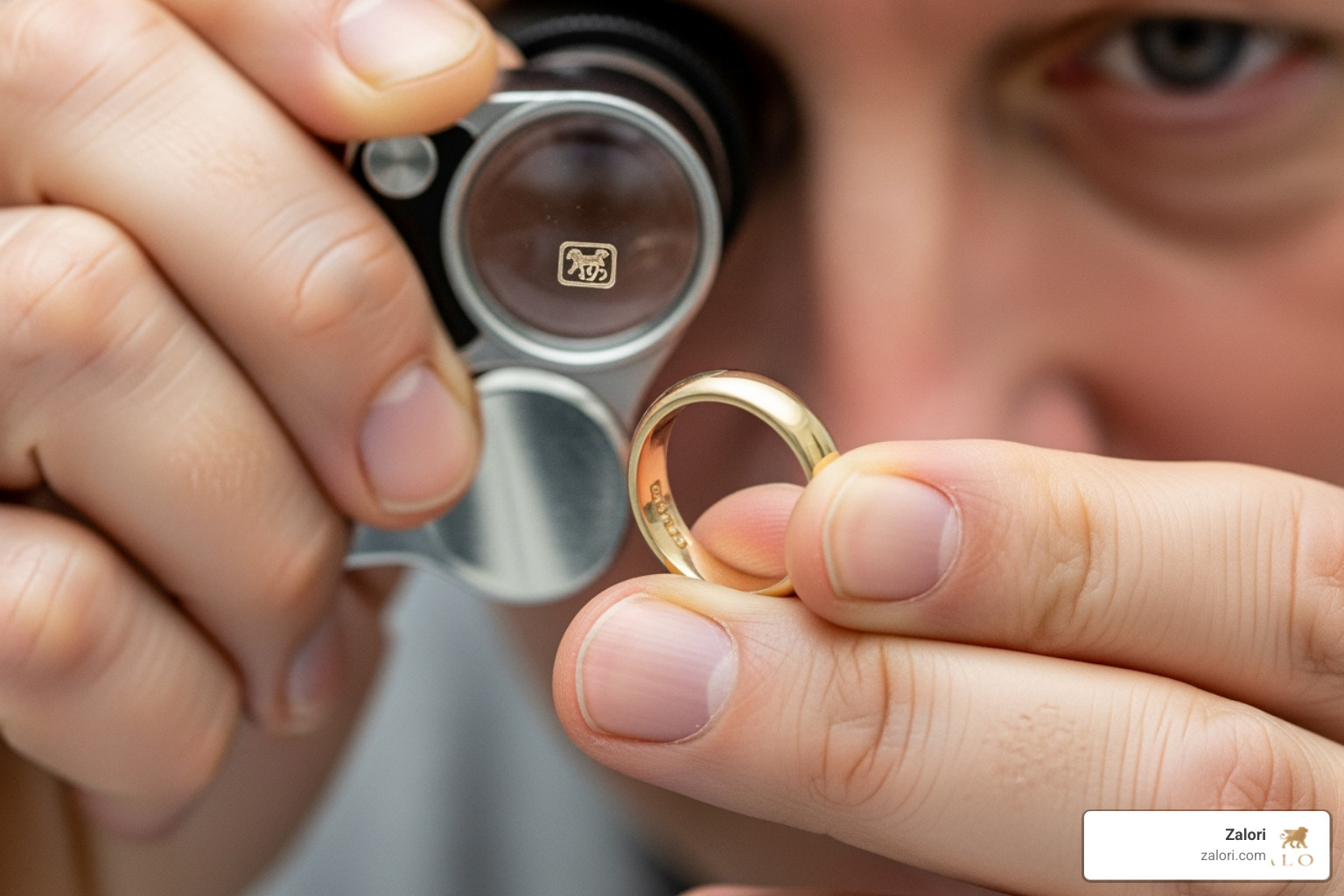
When you're shopping for jewelry with sensitive skin, you need to become a bit of a detective. The good news? The clues you need are usually right there on the jewelry itself.
Look for the hallmarks first. These tiny stamps are like a jewelry piece's ID card. Sterling silver should show "925," gold pieces will display "10k," "14k," "18k," or "24k," and platinum typically shows "PLAT" or "PT950." These marks aren't just decorative – they're legally required indicators of metal purity that help you avoid nasty surprises.
But hallmarks are just the beginning. Don't be afraid to ask detailed questions about what you're buying. A reputable jeweler should eagerly tell you exactly what metals are in their alloys. Ask directly: "Is this completely nickel-free?" or "What specific metals are alloyed with this gold?" If they can't answer or seem evasive, that's your cue to shop elsewhere.
Steer clear of vague descriptions like "fashion jewelry," "costume jewelry," or mysterious "metal alloy" without specifics. These terms often hide cheaper, potentially irritating metals. At Zalori, we believe in complete transparency about our materials because your comfort matters as much as the beauty of the piece.
The most important questions to ask any jeweler include whether the piece is 100% nickel-free, what specific alloying metals were used, whether it's solid metal or plated, and for gold pieces, the exact karat and composition. For sterling silver, you'll want to confirm that the 7.5% alloy portion is also nickel-free.
Jewelry Care to Prevent Reactions
Even the most hypoallergenic jewelry can cause problems if it's not properly maintained. Think about it – your jewelry collects everything from body oils and sweat to lotion residue and environmental pollutants. Without regular cleaning, these buildups can trap irritants against your skin or create conditions that promote bacterial growth.
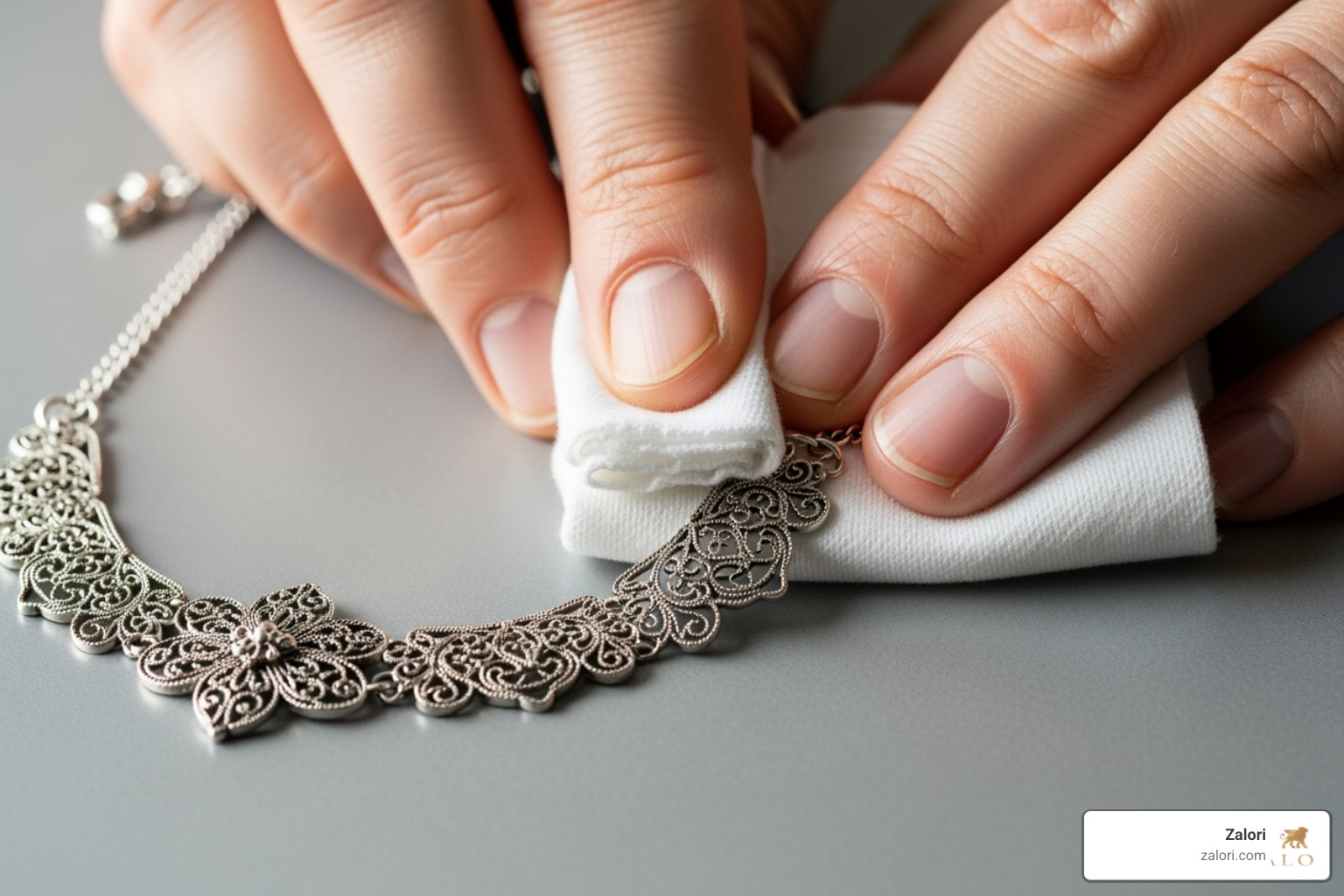
Regular cleaning is your first line of defense. Gently clean your jewelry regularly with a soft cloth and mild soap – baby shampoo works wonderfully when diluted in warm water. Let pieces soak briefly, then rinse thoroughly and dry completely with a lint-free cloth. This simple routine removes the sweat, oils, and cosmetic residues that could irritate your skin. For comprehensive care instructions, check out our Jewelry care 101: Your complete jewelry care guide for gold & sterling silver.
Proper storage matters more than you might think. Keep your jewelry in a clean, dry place – ideally in individual soft pouches or a lined jewelry box. This prevents scratches and minimizes exposure to humidity that can accelerate tarnishing, especially in sterling silver. Our guide Sterling silver care 2025: How to clean, store, and prevent tarnish without harsh chemicals offers detailed storage tips.
Know when to take it off. Remove your jewelry before exercising, swimming, cleaning with chemicals, or applying lotions and perfumes. Chlorine, saltwater, and harsh chemicals can damage metals, while sweat and cosmetics can create irritating buildup. This simple habit significantly extends your jewelry's life while keeping your skin happy.
Caring for your jewelry isn't just about maintaining its appearance – it's about preserving the skin-friendly qualities that make it the best jewelry for sensitive skin in the first place.
Frequently Asked Questions about Hypoallergenic Jewelry
When it comes to choosing the best jewelry for sensitive skin, we understand you might have lingering questions. After years of helping jewelry lovers find pieces that work with their skin instead of against it, these are the most common concerns we hear.
Is hypoallergenic jewelry completely allergy-proof?
Here's the honest truth: while we'd love to promise that hypoallergenic jewelry is 100% "allergy-proof," that's not quite how it works. The term "hypoallergenic" actually means "less likely" to cause an allergic reaction, not impossible to cause one.
Think of it this way - we're all beautifully unique, and that includes how our skin responds to different materials. What feels perfectly comfortable on your best friend's skin might still cause you to react, simply because individual sensitivities vary so greatly.
That said, when you choose pure metals like platinum and titanium, or stick with high-karat gold and certified nickel-free sterling silver, you're stacking the odds heavily in your favor. These materials represent the safest bets for the vast majority of people with sensitive skin. It's like choosing the smoothest, most well-paved road for your journey - while no road is completely bump-free, you're far more likely to have a comfortable ride.
Does hypoallergenic jewelry tarnish?
The answer depends entirely on which metal you choose, and this is where understanding your options really pays off.
Platinum and titanium are the champions of low maintenance. These metals are incredibly resistant to tarnish and corrosion, maintaining their beautiful appearance with minimal effort on your part. Think of them as the "wash and wear" fabrics of the jewelry world.
High-karat gold (18k and above) is also quite resistant to tarnishing. Pure gold itself never tarnishes, and since higher karat pieces contain more pure gold and fewer potentially reactive alloys, they stay beautiful longer with less care.
Sterling silver is a bit different. Yes, it will naturally tarnish over time due to its reaction with sulfur in the air. But don't let this discourage you! This is completely normal and easily manageable. With proper cleaning and storage, you can keep sterling silver looking brilliant. Plus, rhodium plating can help slow down the tarnishing process significantly.
Can I wear gold-plated jewelry if I have sensitive skin?
We always recommend proceeding with caution when it comes to gold-plated jewelry, especially if you have sensitive skin. Here's why this seemingly attractive option can become problematic.
Gold plating involves applying a thin layer of gold over a base metal. While this creates the beautiful appearance of gold at a lower price point, there's a catch that affects those with sensitive skin. The plating can wear off, exposing the base metal underneath, which often contains copper, brass, or most problematically for sensitive individuals, nickel.
It's like having a beautiful coat that gradually wears thin in spots - eventually, what's underneath shows through. If that underlying metal contains allergens like nickel, you might start experiencing reactions once the protective gold layer is compromised.
For the best jewelry for sensitive skin, we strongly recommend solid gold or gold-filled alternatives. These options ensure that skin-friendly gold is always in contact with your skin, giving you both the beauty you want and the comfort you need for long-term wear.
Conclusion: Adorn Yourself with Confidence
Your journey to finding the best jewelry for sensitive skin is now complete, and what a change it can be! Gone are the days of choosing between stunning jewelry and comfortable wear. Armed with knowledge about hypoallergenic metals, smart shopping techniques, and proper care practices, you're ready to build a jewelry collection that brings pure joy without a hint of irritation.
The path forward is clearer than you might think. Platinum and titanium offer the ultimate in biocompatibility, while high-karat gold and sterling silver provide classic beauty with skin-friendly properties. Surgical stainless steel delivers modern durability at an accessible price point. Each of these materials opens doors to endless style possibilities.
Luxury and well-being aren't opposing forces - they're perfect partners. When you choose jewelry crafted from pure, authentic materials, you're investing in pieces that will serve you beautifully for years to come. No more red, itchy reminders of a poor metal choice. No more reluctantly removing a favorite piece because it's causing discomfort.
At Zalori, this intersection of luxury and comfort drives everything we do. Our uncompromising standards for exceptional craftsmanship mean we carefully select only the highest quality, authentic materials. From precious metals that love your skin to genuine stones, pearls, and leather that stand the test of time, every piece in our collection is designed with your complete satisfaction in mind.
Whether you're treating yourself to that perfect pair of earrings or selecting a meaningful gift for someone special, you can shop with absolute confidence. Your skin deserves jewelry that works with it, not against it.
The world of beautiful, comfortable jewelry awaits you. It's time to adorn yourself with pieces that make you feel as wonderful as you look.
Explore our collection of fine jewelry crafted from the highest quality, skin-friendly metals and find the difference that quality materials make. For personalized guidance, Find your perfect piece in our guide to the best jewelry metal options for sensitive skin.
Related Articles
View all