The Material World: Uncovering the Secrets of True Quality
Why High Quality Materials Define True Luxury
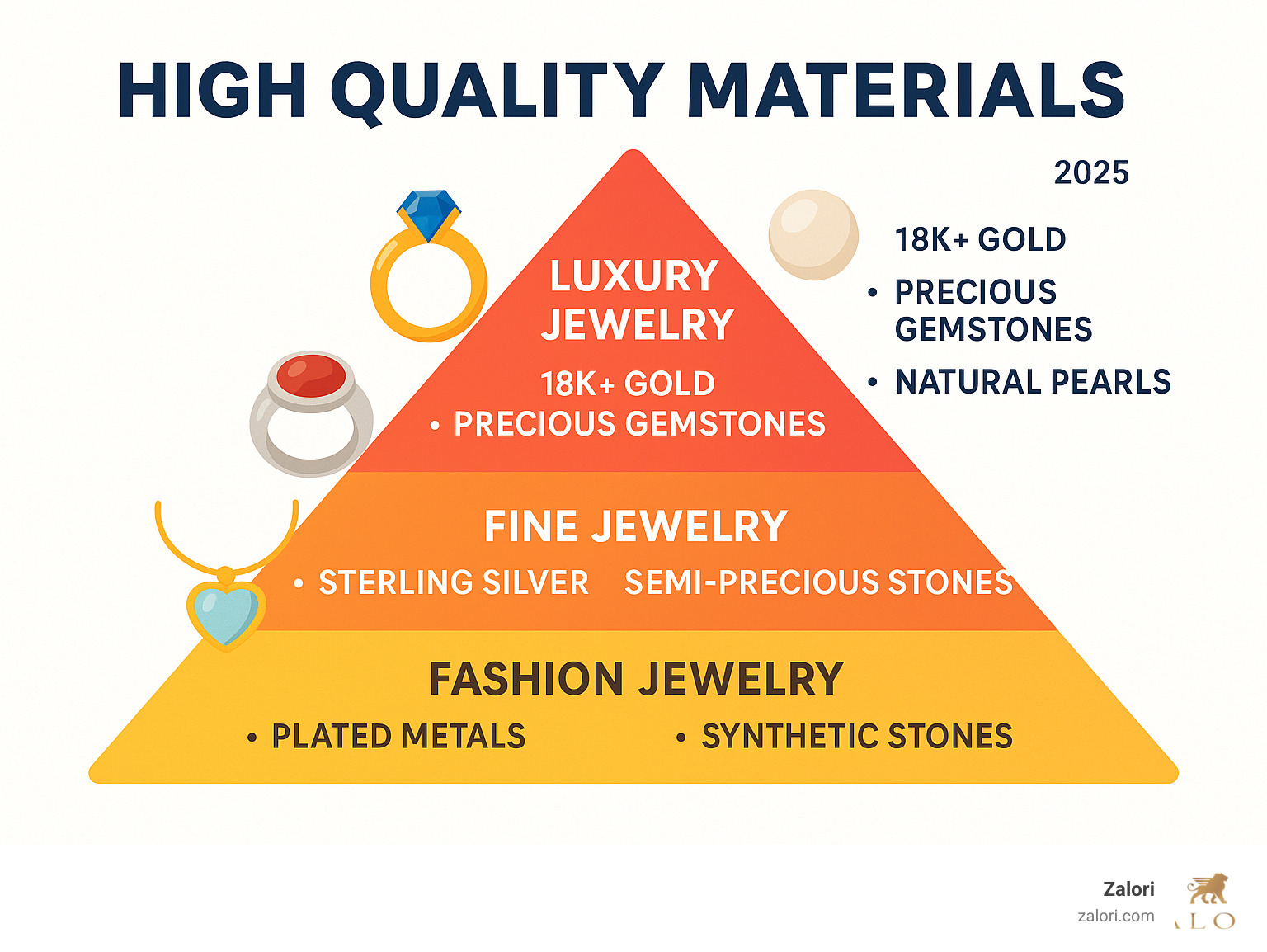
High quality materials are the foundation that separates genuine luxury from mass-produced imitations. True quality materials include precious metals like 18k gold and sterling silver, natural gemstones with proper certifications, and ethically sourced components that maintain their beauty and value over time.
Quick Guide to Identifying High Quality Materials:
- Precious Metals: Look for hallmarks (925 for sterling silver, 750 for 18k gold).
- Gemstones: Verify certifications from GIA or similar reputable labs.
- Pearls: Check for deep luster and smooth surface texture.
- Construction: Examine clasps, settings, and overall craftsmanship.
- Weight: Quality pieces feel substantial due to precious metal content.
In today's market flooded with cheap alternatives, discerning buyers face the challenge of identifying authentic luxury. Mass production has made it harder than ever to distinguish between genuine craftsmanship and clever marketing.
The frustration is real. You invest in what appears to be quality, only to watch it tarnish, break, or lose its appeal within months. True luxury materials should improve your collection for decades, not disappoint after a season.
I'm Eric Roach, founder of Zalori. My passion is providing high quality materials in precious metals and jewelry. Through years of working with luxury markets, I've learned that understanding materials is the key to making investments that truly last.
The Foundation of Finery: A Guide to Precious Metals
When we talk about high quality materials in jewelry, our journey begins with precious metals. These are the backbone of a piece's durability, feel, and intrinsic value. Just as a strong foundation is crucial for any lasting structure, the metal in your jewelry determines its longevity.
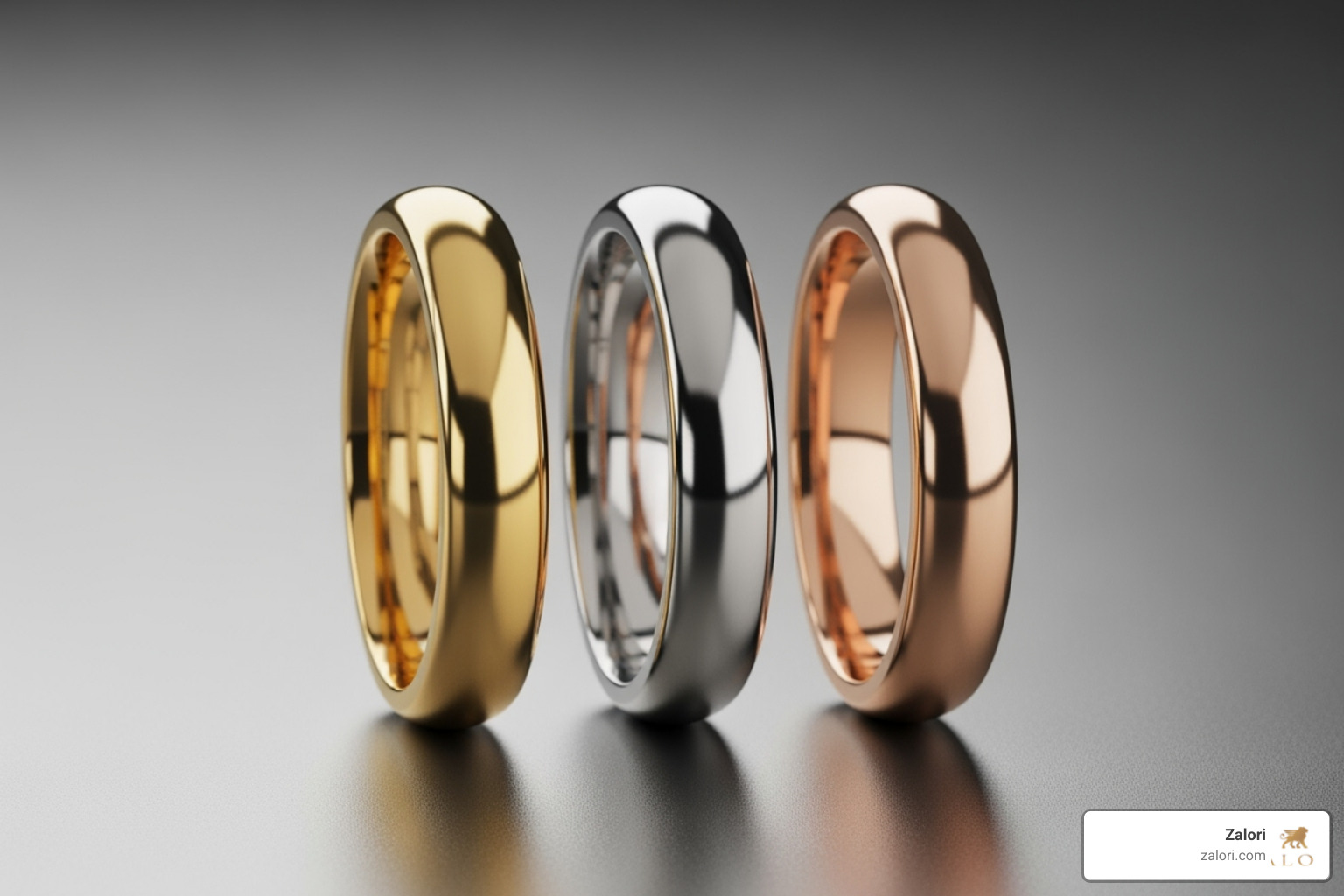
From the warm glow of gold to the cool sheen of platinum, each metal offers unique characteristics. Understanding these properties and the markings that denote their purity is essential for any savvy collector. We'll also cover protective platings that improve beauty and extend the life of your cherished pieces.
Understanding Gold: Karats and Color
Gold has long been a symbol of wealth and enduring beauty. Its purity is measured in karats (k). Since pure gold is too soft for most jewelry, it's mixed with other metals (alloys) to improve its strength and alter its color.
- 24k Gold: At 100% pure gold, 24k is beautiful but extremely soft. It's rarely used for everyday jewelry, being more common in bullion or delicate ornamental pieces.
- 18k Gold: Comprising 75% pure gold, 18k gold is a fantastic choice for fine jewelry. It balances purity, durability, and a rich gold color, making it less likely to irritate sensitive skin. It represents the pinnacle of luxury for everyday wear.
- 14k Gold: Containing 58.3% pure gold, 14k gold is a popular and practical option. It's more durable and scratch-resistant than 18k gold, making it ideal for frequently worn pieces like engagement rings.
The metals mixed with gold also dictate its color. Yellow gold is alloyed with copper and silver, rose gold gets its hue from a higher copper content, and white gold is created with white metals like palladium, often finished with rhodium plating.
For a deeper dive into gold purity, explore our guide: Solid Gold Jewelry: 14k vs. 18k vs. 24k Guide.
Decoding Silver: Sterling and Beyond
Silver's bright appeal has made it a jewelry favorite for centuries. Like gold, pure silver (99.9%) is too soft for durable pieces, which is why sterling silver is the standard.
- Sterling Silver 925: This hallmark signifies 92.5% pure silver alloyed with other metals (usually copper) for strength. This makes it durable enough for daily wear and is the global standard for high-quality silver jewelry.
- Fine Silver: At 99.9% purity, fine silver is used for specific applications like intricate filigree, but it's generally too delicate for most jewelry.
Silver naturally tarnishes when exposed to air, which is a sign of its authenticity, not low quality. Regular cleaning and proper storage will keep it sparkling.
Learn more about caring for your silver with these resources: A Buyer's Guide to Genuine 925 Silver and How to Clean Sterling Silver Jewelry.
The Platinum Standard and Protective Platings
Platinum is often the epitome of luxury. It's naturally white, dense, and exceptionally durable, making it ideal for lifetime pieces like engagement rings.
- Density and Durability: Platinum feels substantial and luxurious. Its density makes it remarkably durable, resisting wear better than gold.
- Hypoallergenic: Naturally hypoallergenic, platinum is an excellent choice for sensitive skin.
- Longevity: Platinum's white luster is natural and permanent, unlike white gold which may require re-plating. It develops a soft patina over time, which many find desirable.
Protective platings also improve other metals.
- Rhodium Plating: A rare metal from the platinum family, rhodium is used to plate white gold, giving it a bright, reflective finish and added protection. This plating can wear off over time but is easily reapplied by a jeweler to restore its brilliance.
For more details on this essential plating, check out: What is Rhodium Plating? A Complete Guide.
The Sparkle of Excellence: Identifying High Quality Materials in Gemstones
Once you've mastered precious metals, the journey continues with gemstones. These brilliant treasures transform jewelry into something magical. But not all stones that sparkle are created equal. Understanding high quality materials in gemstones means looking beyond the initial wow factor to the details that separate exceptional stones from ordinary ones.
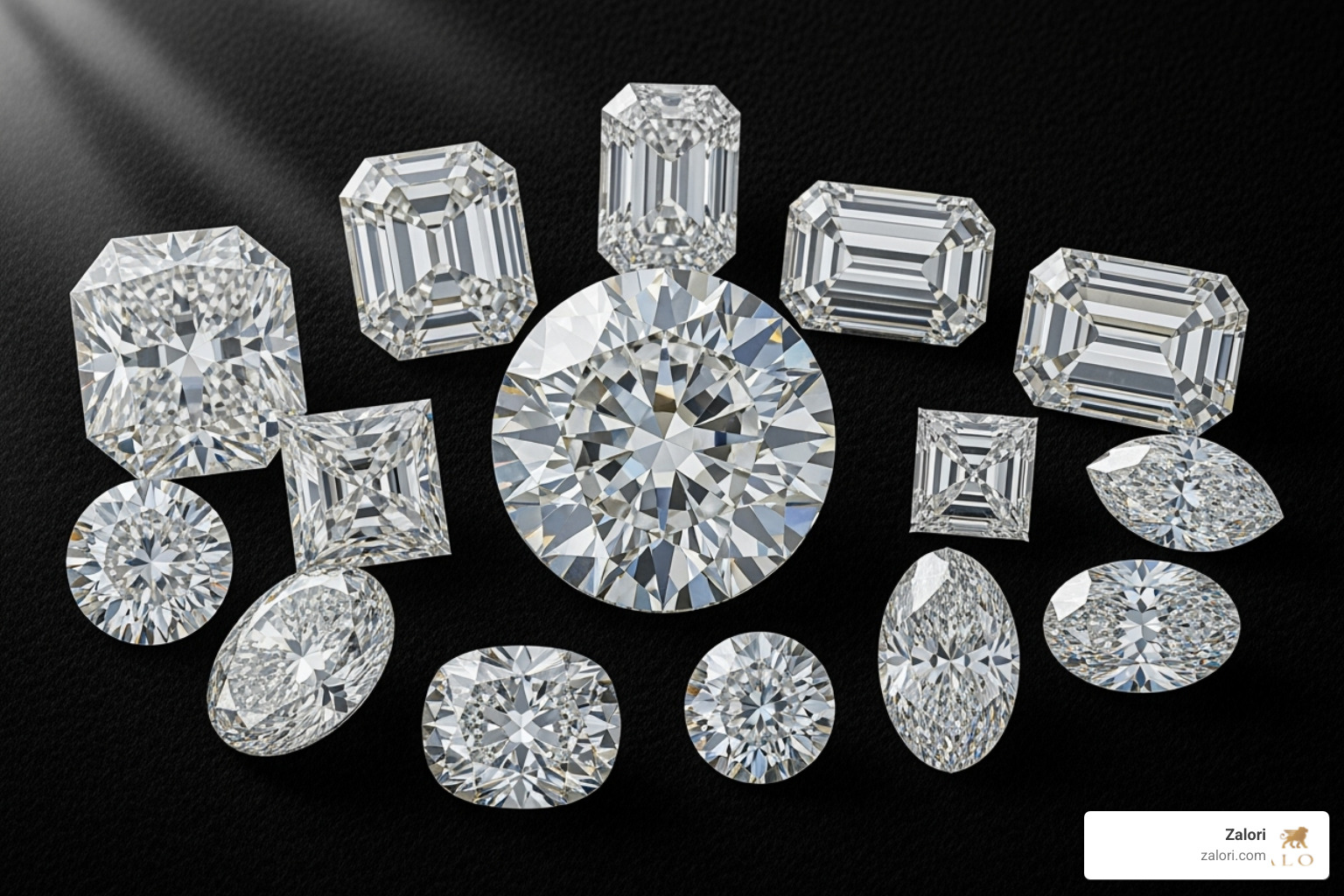
Think of it like wine appreciation: a connoisseur knows the specific characteristics that indicate excellence. The same applies to gemstones, from the famous four Cs of diamonds to the rich colors of sapphires and emeralds. We'll also explore choices between natural and lab-grown stones, the Mohs scale of mineral hardness for durability, and what inclusions and treatments reveal about a stone's journey.
The Diamond Dossier: Understanding Diamond Quality
Diamonds are the ultimate gemstone, and their quality is defined by the four Cs: Cut, Color, Clarity, and Carat weight. These are your roadmap to finding exceptional high quality materials.
- Cut: This refers to how skillfully a diamond's facets interact with light, not its shape. A masterfully cut diamond displays exceptional brilliance and fire, while a poor cut can make it look dull.
- Color: For white diamonds, the goal is a lack of color. Grades run from D (colorless) to Z (light yellow/brown). The less color, the rarer and more valuable the diamond. Our natural diamonds are typically in the G-H-I range, appearing colorless to the naked eye.
- Clarity: This grades the presence of natural inclusions or "birthmarks." Grades range from Flawless to Included. Our natural diamonds often have SI to I1-2 clarity, where inclusions are minimal and don't affect the stone's beauty.
- Carat: This is the diamond's weight, not its size. One carat is 200 milligrams. As carat weight increases, a diamond's rarity and value grow exponentially.
Today's market includes both natural and lab-grown diamonds, which are chemically identical to mined stones. Our lab-grown diamonds often achieve impressive VS clarity and F-G color, offering stunning beauty with exceptional value. GIA certification provides an unbiased assessment of your diamond's quality, ensuring you know exactly what you're purchasing.
For deeper insights, explore our comprehensive Diamond Quality Guide.
A World of Color: How to Assess High Quality Materials in Colored Gemstones
While diamonds impress with brilliance, colored gemstones like sapphires, rubies, and emeralds offer a vibrant palette. Unlike diamonds, their quality is all about achieving the perfect hue.
- Color: This is the most important factor, encompassing hue, tone, and saturation. We look for rich, vivid colors—like the coveted "pigeon-blood" red in rubies or deep, velvety blue in sapphires. The tone should not be too light or too dark.
- Clarity: Unlike diamonds, some inclusions in colored gemstones are expected and can even add character, like the "jardin" (garden) in emeralds. The key is that they don't negatively impact the stone's beauty.
- Cut: A skilled cut maximizes the gemstone's color, showing its most vibrant hue face-up. This is often prioritized over maximizing carat weight.
At Zalori, we hand-select each colored gemstone to meet our exacting standards, ensuring every stone represents the pinnacle of high quality materials.
Ready to explore the rainbow of possibilities? Our Engagement Ring Gemstone Guide will help you steer this colorful world with confidence.
Beyond the Stone: The Allure of Organic and Sustainable Materials
True luxury jewelry isn't just about sparkle and shine. The most meaningful pieces tell a deeper story—one that includes high quality materials from nature's own treasures and a commitment to environmental responsibility.
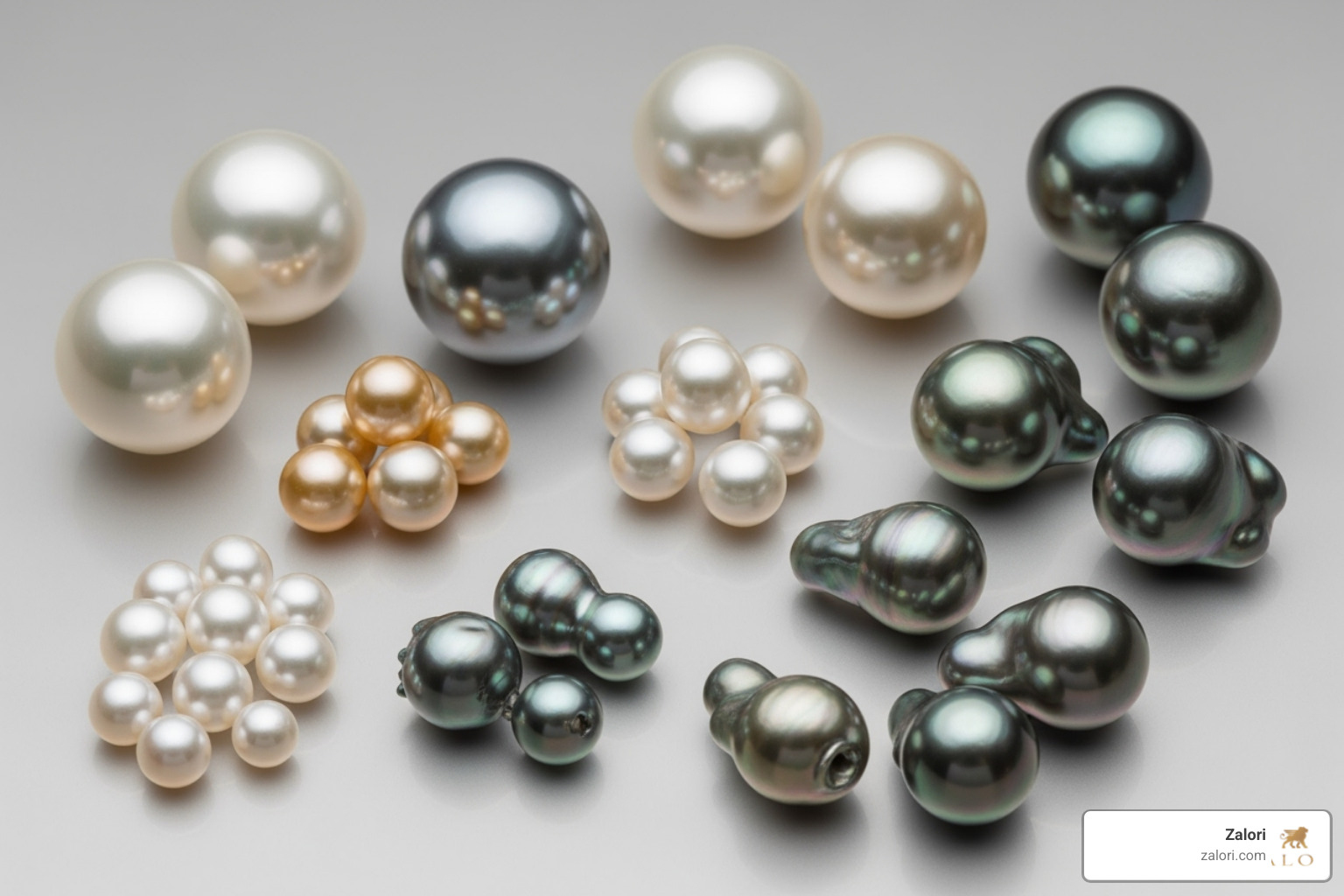
When you choose a piece of jewelry, you're making a statement about your values. Today's discerning customers want to know their treasures were created with integrity. Let's explore how nature's own gems—like lustrous pearls—earn their place among the finest materials and why sustainable sourcing creates better, more meaningful luxury.
The Luster of the Ocean: Judging Pearl Quality
Pearls are magical gems formed by nature's patience. When we evaluate pearls as high quality materials, we look for several key characteristics.
- Luster: This is the pearl's inner glow. High-quality pearls have a sharp, mirror-like reflection.
- Nacre Thickness: Thick nacre, the pearl's outer layer, ensures its beauty and durability will last for generations.
- Surface Quality: A fine pearl should be smooth with minimal blemishes. Minor imperfections are natural and can prove authenticity.
- Shape: While perfectly round pearls are rare and valuable, unique baroque shapes offer distinct character. Consistency is key in matched sets.
- Size and Color: Larger pearls are rarer. Colors range from classic white to black, silver, and rose, and should be even throughout the pearl.
We work primarily with cultured pearls, which form naturally with gentle human guidance, ensuring consistent quality while preserving their organic magic.
The Conscientious Choice: What Makes High Quality Materials Sustainable?
Sustainability in luxury isn't about compromise—it's about creating pieces that feel as good as they look.
- Conflict-Free Gemstones: We adhere to the Kimberley Process, ensuring our diamonds are ethically sourced and do not fund conflict. Each stone's journey is documented.
- Traceability: We partner with suppliers who provide full transparency into their supply chains, ensuring fair labor practices and community respect.
- Recycled Precious Metals: Using recycled gold and silver reduces the environmental impact of mining without compromising quality. The metal is identical to newly mined materials, continuing a time-honored tradition of repurposing precious resources.
- Comprehensive Ethical Sourcing: Our commitment extends to all materials. Our gemstones come from mines that prioritize safety and environmental protection, and our pearls are cultivated sustainably.
The result? High quality materials that let you wear your values with pride. When you choose responsibly sourced luxury, you're supporting communities and protecting the environment.
For deeper insights, explore A Guide to Ethical Sourcing and The Art of Selecting Sustainable Jewelry.
Frequently Asked Questions about High-Quality Jewelry Materials
Choosing fine jewelry can be overwhelming, especially for an investment meant to last a lifetime. Here are answers to the most common questions about high quality materials—information I wish everyone knew before their first luxury purchase.
What is a hallmark and how do I read it?
A hallmark is your jewelry's passport, confirming its composition. These tiny stamps are one of the oldest forms of consumer protection. Knowing how to read them gives you confidence you're buying genuine high quality materials.
The most important stamp is the purity mark. For gold, you'll see numbers like 750 (18k or 75% pure gold) or 585 (14k or 58.5% pure gold). Sterling silver is marked with 925 (92.5% pure silver), and platinum is typically marked 950 (95% pure platinum).
You may also find a maker's mark (identifying the creator), an assay office mark (where it was tested), and sometimes a date letter.
Are all diamonds used in Zalori jewelry natural or lab-grown?
At Zalori, we offer both natural and lab-grown diamonds to give you choices without compromising on quality. Every stone meets our exacting standards for high quality materials.
Our natural diamonds are geological miracles, sourced exclusively from trusted partners who adhere to the conflict-free Kimberley Process. Each is hand-selected for superior cut, color, and clarity.
Our lab-grown diamonds are modern marvels, physically and optically identical to mined diamonds. They offer exceptional quality and value while minimizing environmental impact.
Regardless of origin, every diamond we use is rigorously assessed and certified, ensuring you receive the finest materials available.
For detailed guidance, explore our Diamond Quality Guide.
How do I care for my jewelry to maintain its quality?
Proper care ensures your jewelry made from high quality materials lasts for decades. Follow these simple steps:
- Proper Storage: Keep pieces in a clean, dry place, separated in soft pouches or a fabric-lined box to prevent scratching and tangling.
- Gentle Cleaning: Use warm, soapy water and a soft toothbrush for most metals and gems. Rinse well and pat dry with a soft cloth. Avoid this method for pearls and other delicate stones.
- Wear with Care: Make jewelry the last thing you put on and the first you take off. This avoids contact with lotions, perfumes, and chemicals that can cause damage.
- Annual Check-ups: A professional jeweler can deep-clean your pieces, check settings, and perform preventative maintenance.
For comprehensive instructions, check out our Complete Jewelry Care Guide for Gold & Sterling Silver.
Conclusion: Investing in Lasting Beauty
We've explored what separates exceptional jewelry from the rest: the high quality materials that form the foundation of every treasured piece.
Choosing jewelry made from genuine precious metals, certified gemstones, and ethically sourced materials is an investment in lasting beauty and value. Understanding hallmarks, certifications, and sustainable sourcing helps you distinguish authentic luxury from mass-produced alternatives.
Informed choices lead to lasting satisfaction. Knowing the story behind your jewelry—from recycled gold to conflict-free diamonds—adds a layer of meaning to your investment.
At Zalori, we never compromise on high quality materials. Every metal, stone, and pearl meets our exacting standards because you deserve jewelry that shines for generations. Expert craftsmanship transforms these fine materials into heirloom pieces that tell your unique story.
Your collection should reflect what matters to you. Choosing pieces made with high quality materials ensures your investment grows more meaningful over time.
Ready to experience the difference true quality makes? Explore our curated collections and see our commitment to excellence firsthand.
Related Articles
View all