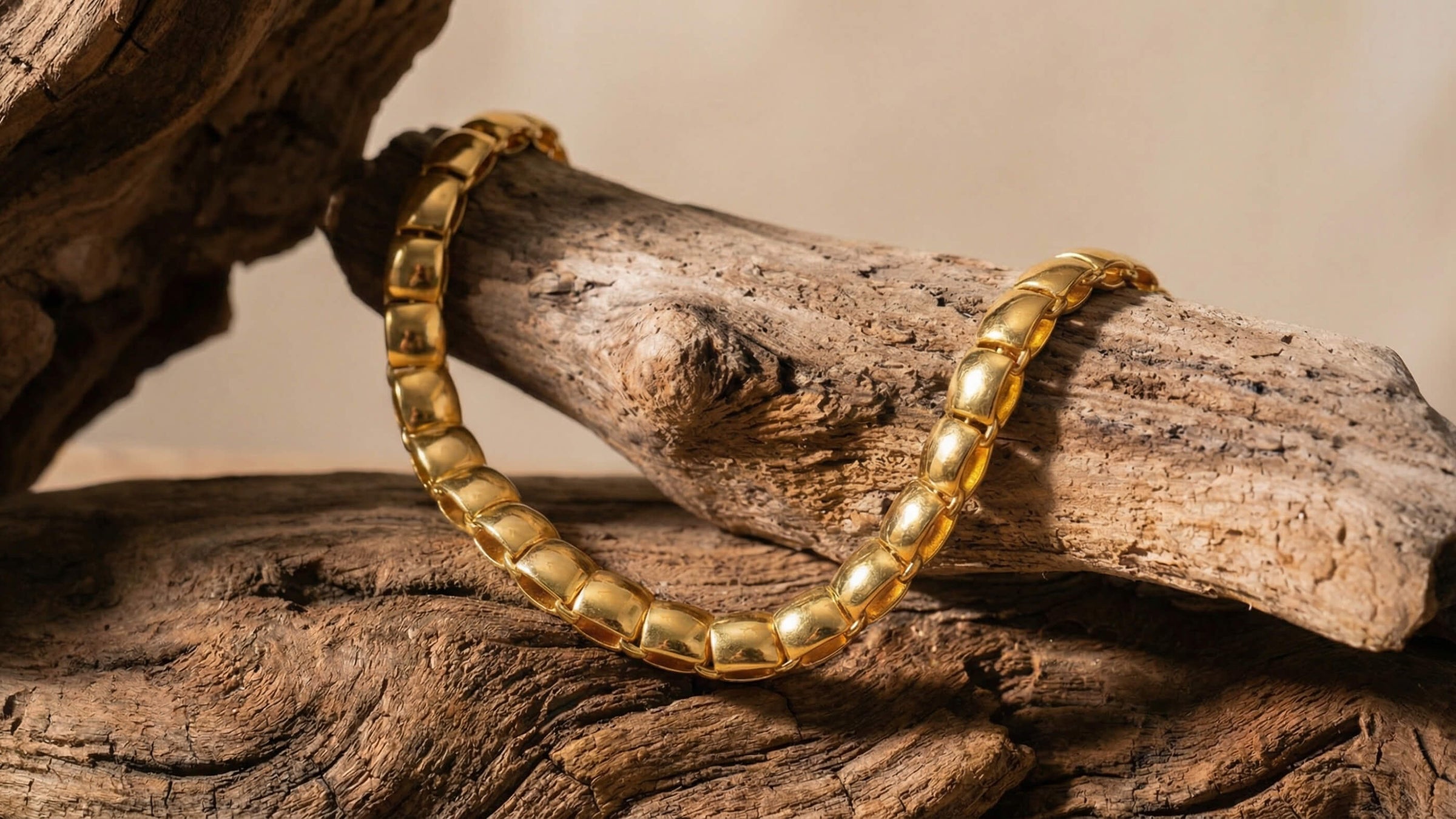
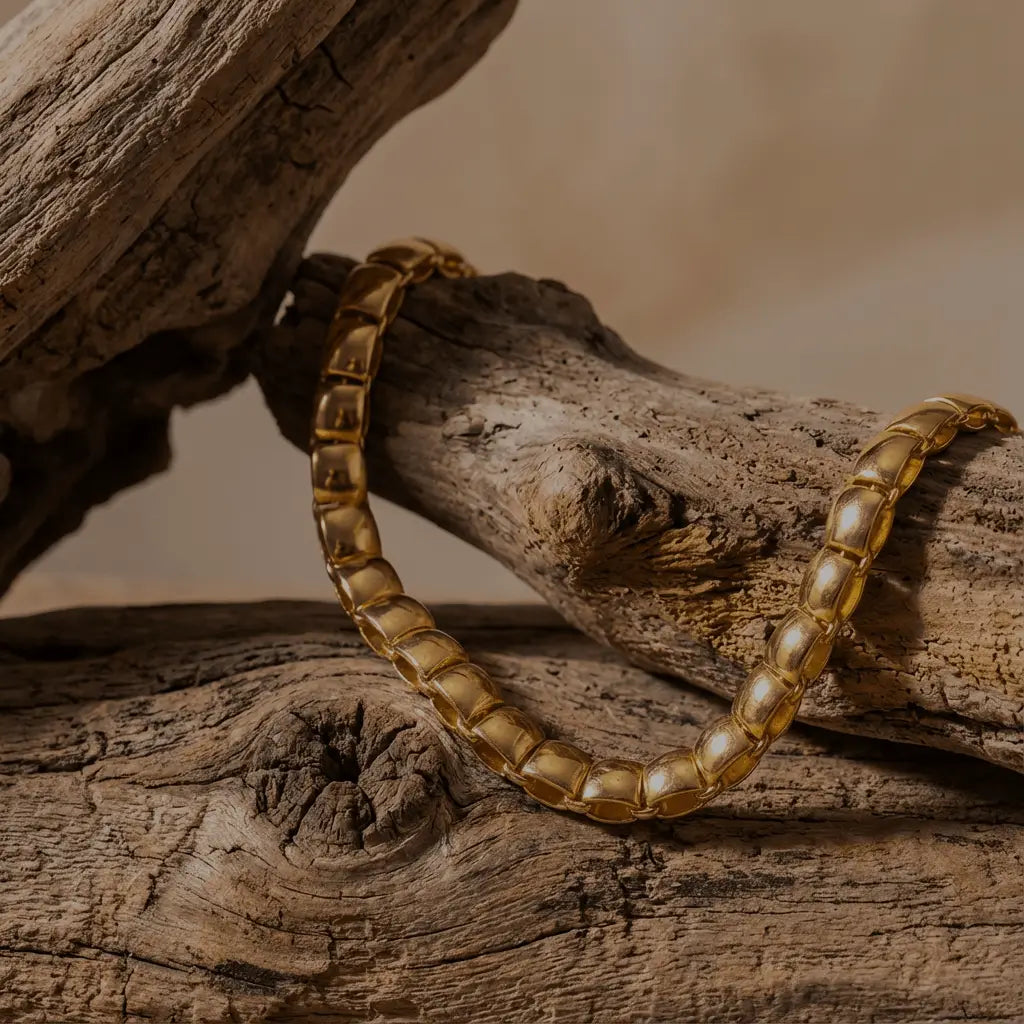
What Is Rhodium Plating? Everything Zalori Shoppers Need to Know
Rhodium plating is the jewelry world’s stealth tech: a micron‑thin coat of one of Earth’s rarest metals that gives sterling and white gold a mirror‑bright finish, blocks tarnish, and shields sensitive skin. Zalori plates select chains and bracelets in‑house, guarantees free re‑dips for 12 months, and runs a closed‑loop recycling system recovering 95 % of spent rhodium. In this deep dive you’ll learn how plating works, why it matters, care cycles, styling tips, sustainability credentials, total cost of ownership, and a step‑by‑step look at Zalori’s lab process—plus clear CTAs to carry you straight into purchase or consult flows.
1. Meet Rhodium: The Platinum Group’s Shiny Over‑Achiever
- Elemental résumé. Rhodium (Rh, atomic #45) is a silvery‑white, corrosion‑proof noble metal in the platinum group; annual global mining barely cracks 30 t.
- Price reality. Spot quotes hover near $6 000 / t‑oz, making solid‑rhodium jewelry a fantasy.
- Physical perks. With Vickers hardness ~1 100 HV and reflectivity surpassing silver, rhodium delivers an unmatched chrome‑bright pop.
Because rhodium is mined almost exclusively as a by‑product of platinum and nickel extraction, supply shocks drive wild price swings. Modern plating lines reclaim virtually all spent metal—every milligram counts.

2. How Rhodium Plating Actually Happens
- Prep & polish. Clean ultrasonically and buff the base metal to a mirror finish.
- Electro‑bath. Suspend in acidic rhodium solution; apply low‑voltage current to bond ions.
- Thickness control. Aim for 0.1 – 0.5 µm—durable yet detail‑safe.
- Rinse & QC. Dry, then inspect under 20× magnification; flash‑coat any pinholes.
Third‑party labs charge $40–$135 per re‑dip; Zalori’s flat $0 within 12 months (or $45 after) undercuts the market.
3. Why Jewelers (and You) Choose Rhodium
| Benefit | Why It Rocks |
|---|---|
| Blinding whiteness | Chrome‑bright shine beats even freshly polished silver. |
| Anti‑tarnish shield | Blocks sulfur/oxygen from darkening sterling silver. |
| Hypoallergenic | Creates barrier over nickel/copper alloys. |
| Hard‑wearing | Resists micro‑scratches better than gold or silver. |
Daily‑wear rings need re‑plating every 12–18 months; necklaces and earrings can go 3–5 years.

4. Rhodium at Zalori: Where Style Meets Shield
- Chevron Arrowhead Bracelet – 7 mm plated arrowhead links with black oxidized accents.
- Eclipse Gunmetal Necklace – Gunmetal‑dipped box chain for stealth style.
- Franco 4‑Side Chain – Classic Italian pattern, ice‑bright finish.
Every plated piece ships from our Dallas studio with a 12‑month free replating guarantee and 72 hr door‑to‑door turnaround.
5. Care & Longevity: Make the Shine Stick
- Skip abrasives. Use mild soap soak, dab dry.
- Store smart. Anti‑tarnish boxes or zip‑bags with strips.
- Chemical watch. Avoid chlorine (pools/spas), fine with saltwater.
- Re‑plate schedule. Rings/bracelets: 12–18 mo; necklaces/earrings: 24 mo+.
Skin chemistry affects wear—higher pH, certain meds speed plating loss.
6. Styling Rhodium‑Plated Pieces: Build Your Look
Rhodium’s ice‑white tone pairs effortlessly with cool palettes—think charcoal flannel, navy denim, or a crisp white tee.
- Minimalist stack: 3 mm Box Chain → 5 mm Gunmetal Necklace → Chevron Bracelet.
- Contrast pop: Mirror‑bright Franco Chain + oxidized pendant for intentional contrast.
Rhodium’s Fresnel reflectivity (~0.76) makes it the lightest element in any metal stack.
7. Rhodium vs. Other Platings
| Metric | Rhodium | Gold | Palladium |
|---|---|---|---|
| Color | Chrome‑white | Yellow/rose/white | Warm gray‑white |
| Hardness (HV) | ~1 100 | ~200 | ~400 |
| Allergy | Hypoallergenic | Depends on alloy | Hypoallergenic |
| Re‑plate interval | 12–36 mo | 18–48 mo | 24–60 mo |
Rhodium wins for scratch resistance; palladium offers a subtler tone; gold plating delivers warmth.

8. Spotting When Re‑Plating Is Due
- Color drift: Base metal begins to show yellow/blush.
- Surface haze: Micro‑scratches dull the finish.
- Allergy flare‑ups: Nickel re‑exposure indicates breach.
- Photo test: Compare to a freshly plated sibling for tone differences.
Zalori subscribers get annual SMS reminders + prepaid return labels.
9. DIY vs. Professional Plating: Risk & Reward
| Factor | DIY Kit | Zalori Service |
|---|---|---|
| Up‑front cost | $250–$400 kit | $0–$45 per re‑dip |
| Safety risk | Acid burns/toxics | OSHA‑compliant labs |
| Quality ctrl. | manual, uneven | micron‑gauge QC |
| Metal recy. | minimal | 95 % reclaimed |
Unless you plate dozens monthly, DIY is a false economy and regulatory headache.
10. Sustainability & Ethical Sourcing
- Closed‑loop baths: 95 % rhodium recovery.
- Conflict‑free mining: IRMA‑certified suppliers.
- Recycled packaging: PCR corrugate + compostable peanuts.
- Carbon offsets: Every plating job’s energy is fully offset.
11. FAQ: Quick Answers
Does rhodium tarnish? No—any discoloration is base metal showing.
Can I swim with it? Saltwater is fine; chlorine pits quickly.
Will ultrasonic cleaners strip it? 60 s baths ok; avoid harsh dental detergents.
Is it vegan? Yes—no animal derivatives in the process.
Conclusion & CTAs
A rhodium flash is a fortress of brilliance, durability, and skin‑friendly performance.
- Shop the full Rhodium‑Plated Collection
- Take our 60‑Second Style Quiz for a 10 % off code
- Book a free Virtual Consult for bespoke recommendations
Your next level of shine—and peace of mind—starts with one click.
Related Articles
View all