Unmasking the Metals: Your Guide to Irritation-Free Jewelry
Why Finding Safe Metals for Sensitive Skin Matters
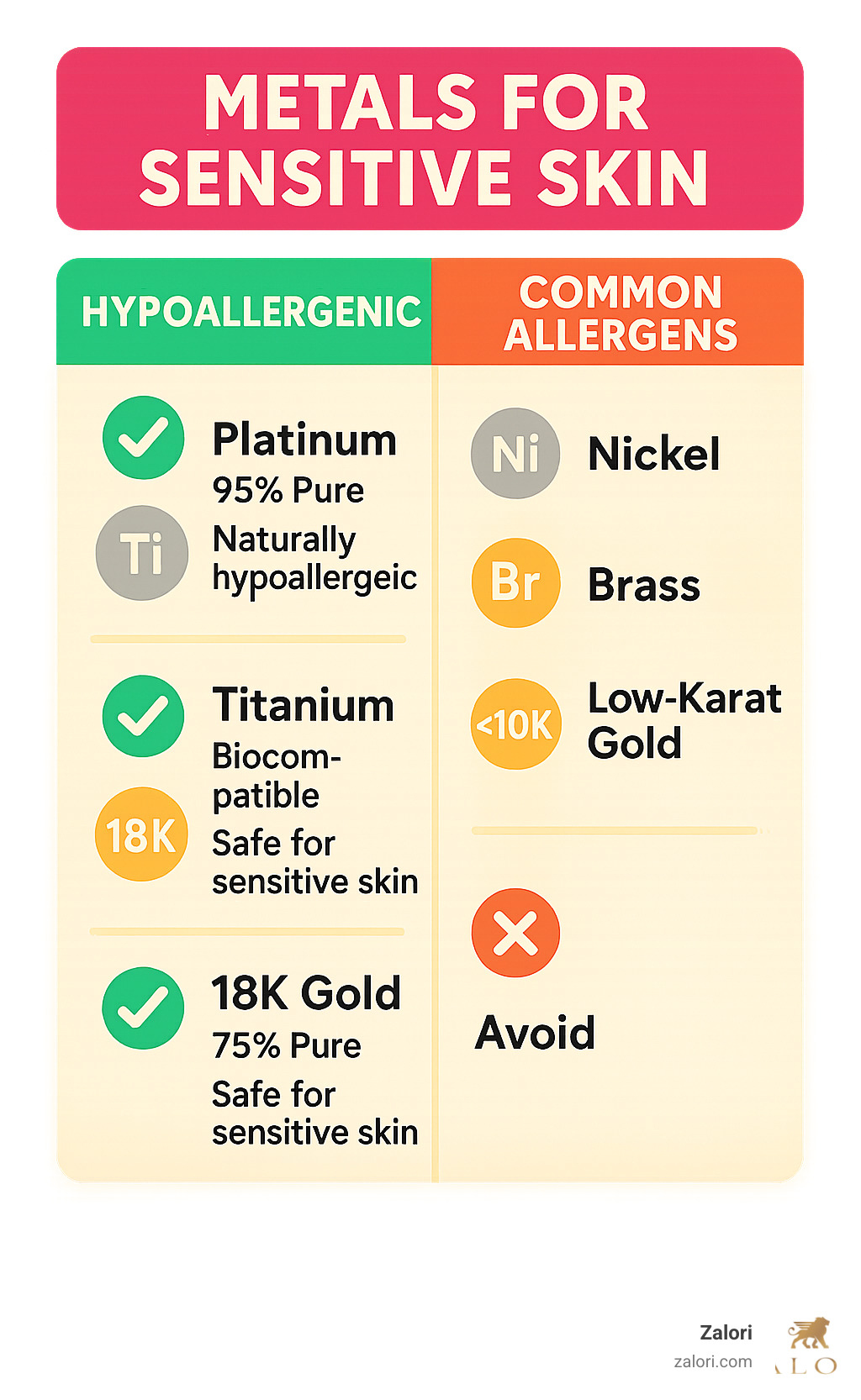
Metals for sensitive skin are specially chosen materials that won't cause irritation, redness, or allergic reactions when worn as jewelry. If you're dealing with metal allergies, here are the safest options:
Best Metals for Sensitive Skin:
- Platinum (95% pure, naturally hypoallergenic)
- 24k Gold (pure gold, but too soft for most jewelry)
- 18k Gold (75% pure, less likely to cause reactions)
- Titanium (biocompatible, used in medical implants)
- Niobium (naturally hypoallergenic, no nickel)
- Sterling Silver (92.5% silver, nickel-free varieties)
Metals to Avoid:
- Nickel (causes 15% of population to react)
- Low-karat gold (contains more nickel)
- Stainless steel (contains 12% nickel)
- Brass and copper (cause green skin discoloration)
Do you frequently find that you break out in a jewelry rash every time you put on a piece of jewelry? You're not alone. Metal allergies affect roughly 15% of the population, with nickel being the most common culprit.
The good news? You don't have to give up beautiful jewelry forever.
Finding the right metals means you can wear stunning pieces without the itching, redness, or unsightly green marks on your skin. It's about understanding which materials work with your skin instead of against it.
The key is choosing pure, high-quality metals that don't contain common allergens like nickel or copper. While costume jewelry might be tempting, it's often the worst choice for sensitive skin.
I'm Eric Roach Zalori, and through my work with Summit Metals Holdings and Zalori, I've seen how choosing the right metals for sensitive skin transforms people's relationship with jewelry. My focus on providing high-quality precious metals - starting with sterling silver as our base - ensures our customers can enjoy beautiful pieces without compromise.
Understanding Metal Allergies and Common Culprits
Picture this: you're getting ready for a special evening, and you put on those gorgeous earrings you've been saving for the perfect occasion. Fast forward a few hours, and your earlobes are red, itchy, and angry. Sound familiar? You've just experienced contact dermatitis, and you're definitely not alone in this frustrating journey.
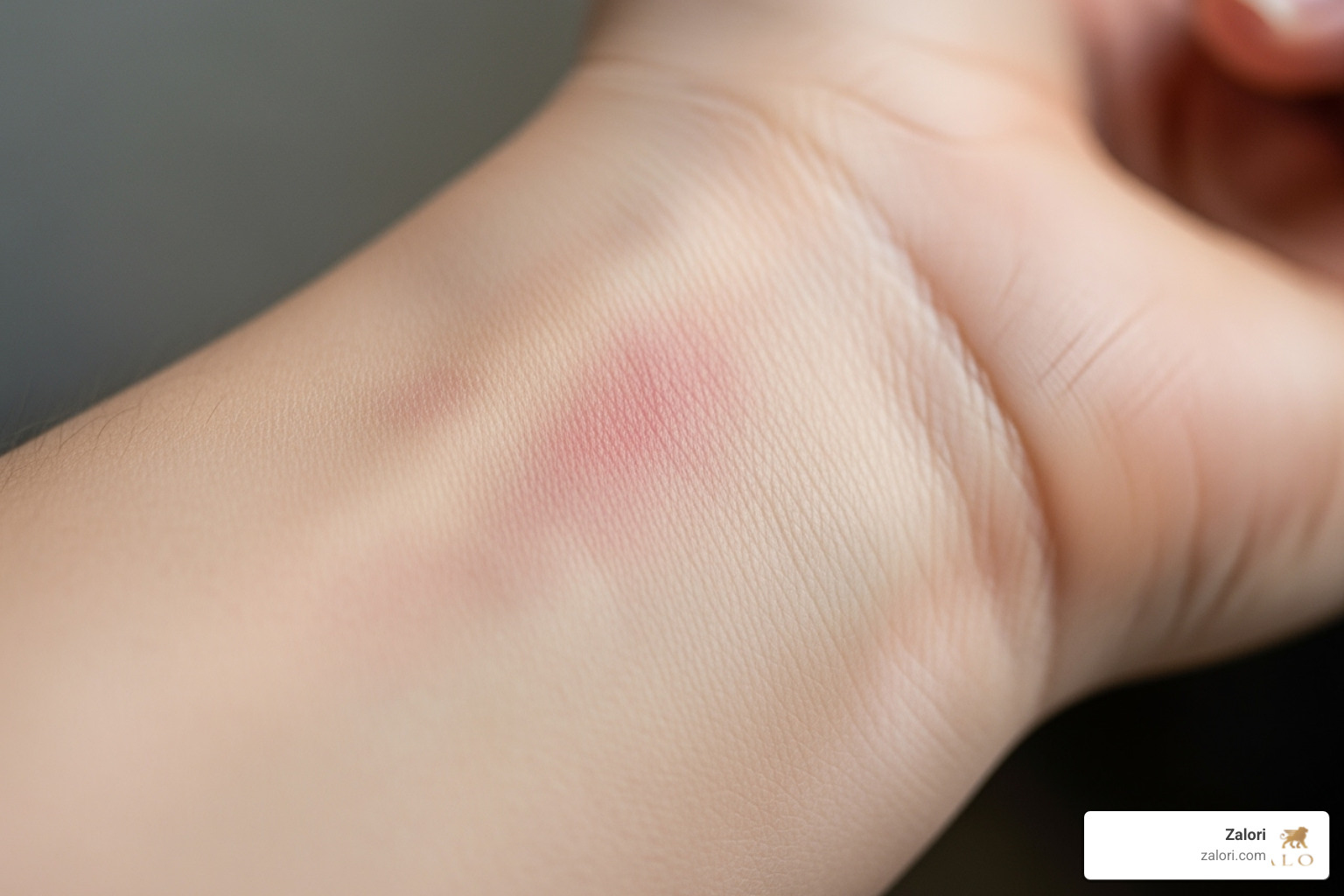
Contact dermatitis is essentially your immune system throwing a tantrum when it encounters certain metals. Think of it as your body's overly dramatic way of saying "I don't like this!" The reaction can show up in several ways that are hard to miss.
Itching is usually the first sign - that maddening urge to scratch that just won't go away. Then comes the redness, making the affected area look irritated and inflamed. Swelling often follows, and in more severe cases, you might even develop small blisters or dry, flaky patches.
Here's what makes it tricky: these symptoms can appear almost immediately, or they might take up to 48 hours to show up. It depends on how sensitive you are and how long the metal was in contact with your skin. As research confirms, an individual allergic to metals can experience contact dermatitis.
Nickel is the undisputed troublemaker when it comes to metals for sensitive skin. This sneaky metal is everywhere - and I mean everywhere. It's the most common metal allergen in the world, affecting about 15% of women and 2% of men. Those aren't small numbers when you think about it.
What makes nickel particularly frustrating is that it's not just hiding in jewelry. It's lurking in your jeans buttons, belt buckles, keys, and even some doorknobs. For most people, small amounts of nickel are perfectly fine. But if you're part of that sensitive 15%, even tiny traces can cause big problems.
Now, let's talk about copper and brass reactions. While copper allergies are much rarer (affecting only about 3% of people), these metals have their own way of making themselves known. Ever had your skin turn green after wearing certain jewelry? That's copper or brass saying hello through oxidation.
This green discoloration isn't usually an allergic reaction - it's more like a chemistry experiment happening on your skin. When copper reacts with your sweat and the natural oils on your skin, it creates that telltale green mark. It's harmless but definitely not the look most of us are going for.
The Truth About "Problem" Metals
Let's get real about why certain metals cause so much trouble. Understanding the science behind these reactions helps you make smarter choices for your jewelry collection.
Nickel earned its reputation as the villain of the jewelry world for good reason. It's strong, durable, and cheap - which makes it incredibly popular with manufacturers. The problem starts when nickel ions dissolve in your sweat and penetrate your skin. Your immune system sees these ions as invaders and launches a full-scale attack, resulting in that uncomfortable inflammation.
Cobalt flies under the radar compared to nickel, but it can still cause issues for some people. It's sometimes used in metal alloys, including certain platinum mixtures. Most people handle cobalt just fine, but if you've had reactions before, it's worth keeping on your radar.
Copper plays a starring role in many jewelry pieces, especially in rose gold alloys where it creates that beautiful warm color. True copper allergies are rare, but the oxidation process is what causes those green stains. When copper meets air, moisture, and the natural chemicals on your skin, it creates a reaction that's more cosmetic nuisance than health concern.
Brass is basically copper's partner in crime since it's made from copper and zinc. Like pure copper, brass can leave green marks through the same oxidation process. It's commonly used as a base metal in cheaper jewelry pieces.
Here's where things get interesting with low-karat gold. Pure 24k gold is incredibly gentle on sensitive skin, but it's also soft as butter. To make gold jewelry that can handle daily wear, jewelers mix it with other metals. The lower the karat number, the less actual gold you're getting.
A 14k gold piece is only about 58% gold, leaving plenty of room for other metals like copper, silver, and yes - nickel. White gold has historically been a particular problem because nickel was commonly used to achieve that silvery-white color. So when someone says they're "allergic to gold," they're usually reacting to the other metals mixed in, not the gold itself.
Plated jewelry deserves special mention because it's often the source of unexpected reactions. These pieces look beautiful initially - a thin layer of gold, silver, or another precious metal covers a cheaper base metal underneath. The trouble starts when that thin plating wears off from daily wear, friction, or exposure to moisture.
Once the plating disappears, you're left with direct contact to whatever base metal lies beneath - often brass, copper, or nickel. It's like a jewelry version of false advertising. This is why at Zalori, we focus on solid, high-quality materials rather than plated alternatives.
The oxidation process behind these reactions is actually fascinating from a scientific standpoint, even if it's annoying to experience. When metals react with oxygen, moisture, and the natural acids in your sweat, they release ions that can either irritate your skin or leave those unwanted color changes. Your body's immune system treats these metal ions like foreign invaders, triggering that inflammatory response we call contact dermatitis.
Understanding these problem metals is the first step toward finding metals for sensitive skin that will work beautifully with your body instead of against it.
The Best Metals for Sensitive Skin: A Deep Dive
When it comes to choosing jewelry that won't irritate your skin, we need to focus on metals for sensitive skin that are naturally biocompatible – meaning they work in harmony with your body. These are often the same metals used in medical implants because of their inert nature and low likelihood of causing an allergic reaction.
The key is understanding that not all metals are created equal. Some are naturally pure and gentle, while others contain hidden allergens that can cause problems down the road. Let's explore the champions of the sensitive skin world and why they're worth your investment.
| Metal | Purity (Typical) | Hypoallergenic Level | Durability | Cost (Relative) |
|---|---|---|---|---|
| Platinum | 95% | Excellent | Very High | High |
| Titanium | 99%+ | Excellent | Very High | Medium |
| Niobium | 99%+ | Excellent | High | Medium |
| High-Karat Gold | 75-100% | Very Good | Medium-High | High |
These biocompatible metals have earned their reputation through decades of medical use. Titanium and niobium, for instance, are regularly used in surgical implants because they integrate seamlessly with human tissue. When a metal can safely live inside your body for years, you can trust it on your skin.
Medical-grade metals go through rigorous testing to ensure they won't cause adverse reactions. This same principle applies when choosing jewelry – you want materials that have been proven safe through real-world use, not just marketing claims.
Platinum: The Premium Choice
If there's a gold standard for metals for sensitive skin, platinum might just be it. With 95% purity in most jewelry pieces, platinum is naturally hypoallergenic and incredibly gentle on even the most reactive skin.
What makes platinum so special? Unlike gold, which needs to be alloyed with other metals for strength, platinum's natural density and durability mean it can be used in high concentrations without compromise. This tarnish-resistant metal maintains its lustrous white color for decades without any special care.
Platinum's durability is legendary in the jewelry world. While gold can wear away over time, platinum actually develops a beautiful patina that many people prefer to the original high polish. When platinum does get scratched, the metal moves rather than chips away, meaning you're not losing precious material.
This makes platinum ideal for wedding and engagement rings – pieces you'll wear every day for years to come. The initial investment might be higher, but you're paying for a lifetime of comfort and beauty. As we explore in our guide to masterpieces in metal, platinum's exceptional qualities have made it the choice of discerning jewelry lovers for generations.
Gold: It's All About the Karat
Here's where things get interesting with gold. Pure 24k gold is hypoallergenic but soft – so soft that it would bend and scratch with regular wear. This is why most gold jewelry uses alloys to add strength, and that's where sensitive skin can run into trouble.
The difference between 18k vs 14k gold is significant for those with metal sensitivities. 18k gold contains 75% pure gold with 25% other metals, while 14k gold is only 58.3% pure gold. The higher the karat, the more pure gold you're getting and the less likely you are to react.
White gold deserves special attention because many white gold alloys traditionally contain nickel to achieve that silvery color. If you love the look of white gold but have sensitive skin, make sure to ask specifically about nickel-free white gold alloys. Some jewelers use palladium instead of nickel, which is much gentler on reactive skin.
Rose gold actually tends to be a safer choice for sensitive skin. The pinkish hue comes from copper, and while some people can be sensitive to copper, it's far less common than nickel allergies. Plus, the copper in rose gold is usually present in smaller amounts than the nickel in white gold.
For a complete breakdown of your options, check out our comprehensive 14k vs 18k vs 24k gold: the no regrets buying guide. Understanding these differences can save you from both skin irritation and buyer's remorse.
Beyond the Basics: Other Top Metals for Sensitive Skin
Titanium deserves recognition as one of the most impressive metals for sensitive skin. This remarkable material is lightweight yet incredibly strong – stronger than steel but about half the weight. If you've ever avoided statement jewelry because it felt too heavy, titanium might be your solution.
What makes titanium extraordinary is its corrosion-resistant properties. It doesn't rust, tarnish, or degrade, even when exposed to sweat, perfume, or other chemicals that come into contact with your skin daily. This stability is exactly why it's used in medical implants like hip replacements and dental implants.
Niobium is titanium's lesser-known cousin, but it's equally impressive for sensitive skin. Like titanium, it's naturally hypoallergenic and has never been known to cause allergic reactions in medical literature. One unique feature of niobium is its ability to be anodized for color – through an electrical process, jewelers can create beautiful blues, purples, and other hues without adding any potentially reactive dyes or coatings.
Both titanium and niobium offer something that precious metals sometimes can't: complete peace of mind. If you've struggled with metal sensitivities for years, these modern materials might be exactly what you've been looking for. They prove that choosing metals for sensitive skin doesn't mean sacrificing style or durability.
Related Articles
View all