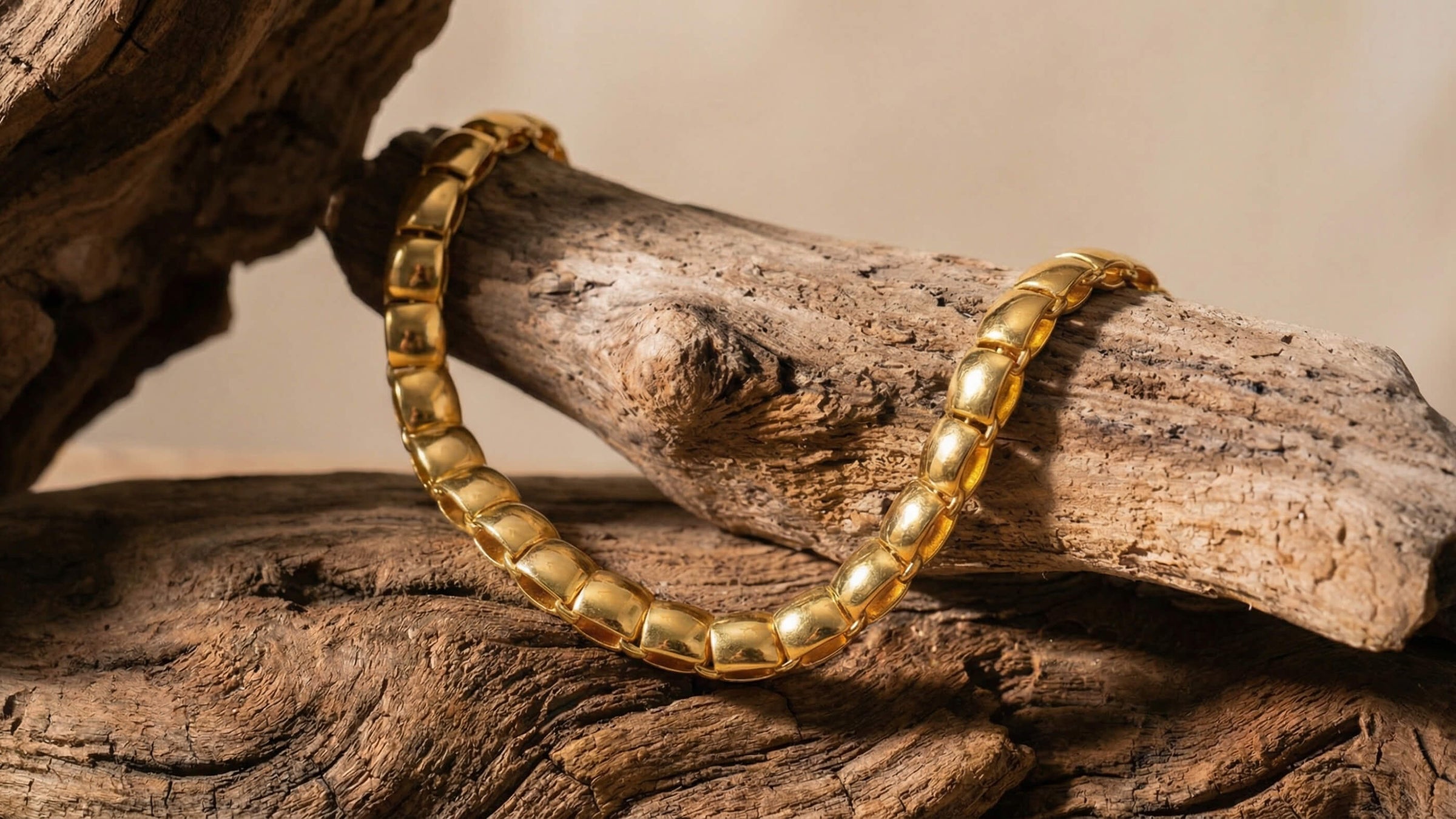
How to Store Fine Jewelry the Right Way: Prevent Tarnish, Tangles, and Travel Damage
If you’ve ever opened a jewelry box to a jumble of knots, mystery scratches, or a ring that lost its glow, this guide is for you. Here’s how to store jewelry the right way—so sterling stays bright, pearls keep their luster, chains don’t kink, and your investment looks as good in five years as it does today. We’ll keep it simple, sustainable, and grounded in what conservators and trade experts actually recommend.
The three principles of smart storage
- Separate by material and hardness. Hard stones scratch softer ones, and chains can nick polished metal. Keep gold, sterling, pearls, and gemstone pieces in their own compartments.
- Control air and humidity. Silver darkens when sulfur compounds and moisture are present; drier, sealed storage slows tarnish dramatically. Museums use sealed bags, desiccant, and sulfur scavengers to reduce corrosion on metals like silver. The Canadian Conservation Institute explains that low humidity, closed containers, and safe materials matter most. Read their silver care note for context.
- Close clasps and support shapes. Fasten necklaces and bracelets before storing. Rings and cuffs keep their profiles longer when they don’t rub against other pieces.
Your everyday at‑home setup
Think “visibility plus protection.” The ideal system is a lined box with small compartments for rings and earrings, a few soft pouches for travel‑ready favorites, and spots to hang or lay chains flat. Jewelers of America’s care guidance recommends dry, temperature‑stable storage away from vents and humidity spikes, with compartments that prevent jumbling. Their basics are here.
- Choose materials that won’t off‑gas. Favor fabric‑lined trays, polyethylene or food‑grade boxes, and unbuffered acid‑free tissue. Avoid fresh wood, rubber bands, and low‑grade foams that can release sulfur or acids.
- Add anti‑tarnish help where it counts. Slip anti‑tarnish tabs or activated charcoal sachets into sealed pouches with sterling. Use silica gel to keep humidity lower inside a closed container.
- Make maintenance effortless. Keep a clean, soft cloth in the box. A quick wipe after wear reduces fingerprints and residue, which accelerates tarnish and dullness.
Helpful internal reads to go deeper: our focused tutorial on Sterling Silver Care and a practical Necklace & Chain Length Guide when you’re optimizing a layered setup.
Sterling silver: slow tarnish before you need to polish
Silver is honest: it responds to its environment. Low humidity and sealed, sulfur‑free storage slow the chemistry that darkens the surface. Conservators prioritize prevention over frequent polishing because every aggressive clean removes a bit of metal. If you want the museum‑grade playbook, the Canadian Conservation Institute details sealed polyethylene bags, sulfur‑free tissue, silica gel, and charcoal adsorbents as effective measures. See their silver storage and metals notes.
Real‑world tips you’ll actually use:
- Store sterling in soft, airtight pouches; keep it dry and away from bathrooms.
- Don’t store with rubber or freshly stained wood. Those emit sulfur and acids that push tarnish faster.
- Wear your silver. Normal wear and gentle wiping often keep pieces brighter between deeper cleans.
Want care steps, not theory? Start with our Sterling Silver Care checklist, then pick a handcrafted chain you’ll love to reach for from our Foxtail Chains collection.
Pearls, opals, and other delicate beauties
Organic and delicate gems need their own lane. The Gemological Institute of America advises wiping pearls after wear, avoiding hairspray and perfume, and storing them in a soft pouch—not in parched, hot places. Pearl strands should be laid flat to avoid stretching and restrung periodically. GIA’s pearls care FAQ is a great reference.
- Give pearls and opals breathable softness. Use fabric pouches, not airtight plastic, and keep them away from hard stones that can scratch.
- Keep moisture balanced. Extremely dry environments can dehydrate organic materials; don’t lock pearls in a desiccated safe for months on end.
- Separate soft stones. Turquoise, malachite, lapis, and treated gems deserve their own compartments so harder neighbors don’t mark them.
Gold, vermeil, and plated finishes
Solid gold doesn’t tarnish, but it can show hairline scratches if it rubs against harder pieces. Vermeil and gold‑plated jewelry need gentle handling so the surface layer stays even and beautiful.
- Give plated pieces their own pouch to minimize friction.
- Remove jewelry before chlorine, hot tubs, or gritty workouts; wipe before storage to reduce residue.
- If you love a white, mirror‑bright look, remember that many white‑gold items use a thin rhodium finish. Plan periodic refreshes and store them where they won’t rub. Our explainer on rhodium and finishes pairs well with White Gold vs Platinum when you’re comparing options.
Ready to add a forever piece? Explore meaningful designs in Women’s Pendants or choose a statement cuff like The Silhouette – Sterling Silver Cuff and store it in a soft, dedicated sleeve.
Chain logic: prevent kinks, knots, and sad surprises
Chains are happiest when they’re either hung or fully supported while flat. Close the clasp before storing so the end doesn’t thread through its neighbors. Rotate which chain you hang to reduce stress on any one link pattern. For long‑term storage, lay very flat styles like herringbone in a rigid, lined tray so they don’t crease.
- Use spacing. Give each chain its own hook or compartment. Two inches between hanging chains cuts down tangles.
- Match storage to style. Box, curb, wheat, and foxtail tolerate hanging well; mesh and herringbone prefer flat support.
- Mind pendant weight. Pair heavier pendants with supportive links and robust clasps. If you’re shopping for match‑made sets, our Men’s Necklaces assortment includes sturdy options, and our Necklace & Chain Length Guide shows where they’ll land.
Building a drawer that works (and looks good)
- Top layer: daily rings and studs in small compartments; a microfiber cloth within easy reach.
- Middle: separate pouches for sterling, yellow gold, and plated pieces. Add anti‑tarnish tabs to the sterling pouches.
- Side or hanging rail: a few hooks for the chains you wear weekly. Everything else rests flat in lined trays with clasps closed.
- Bottom: a small sealed box with silica gel for seldom‑worn sterling and statement silver cuffs. Label it so you actually revisit and refresh the desiccant.
Want inspiration? Compare link types in our Foxtail Chains lineup, then add a pendant that sits perfectly on your frame—our 14k Yellow Gold Dove Pendant is an elegant, feather‑light choice.
Travel without the tangle
Your everyday rules apply on the road: separate, seal, and support.
- Give each chain or bracelet its own soft pouch or a straw‑thread trick as a temporary anti‑knot. Keep pearls and soft stones in cushioned cases.
- Use a compact, zippered case with dividers. Place anti‑tarnish tabs with sterling and a small microfiber for quick wipe‑downs.
- Carry it on. Checked baggage adds unnecessary risk and humidity swings.
For longer trips, close clasps, place sterling in miniature airtight bags with a tiny silica packet, and keep that pouch inside your case. That micro‑environment helps you land shining.
A simple weekly routine that pays for itself
Trade groups and gem labs agree: consistent, gentle care beats occasional heroics. Wipe pieces after wear, give gold and sturdy gems a mild soap‑and‑water refresh when they look cloudy, and schedule quick seasonal checks for clasps and prongs. GIA’s care tips emphasize gentle cleaners, careful rinsing, and appropriate storage choices to avoid scratches and snags. Skim their storage and cleaning advice.
- Weekly: wipe, coil chains loosely, and put each item back where it lives.
- Monthly: refresh silica gel and anti‑tarnish tabs if they’ve color‑changed.
- Seasonally: inspect closures; set aside anything that needs a pro’s eye.
Troubleshooting: quick answers
- “My silver darkened even in a box.” Your box may be breathable. Sealed pouches plus adsorbents are the fix. Museum notes show that desiccated silica and sulfur scavengers reduce tarnish in closed containers. See CCI’s guidance.
- “Pearls look dull.” Wipe after wear, rest strands flat, and avoid airtight, bone‑dry storage. GIA recommends periodic restringing for strands that see regular use. Review their pearls care.
- “Everything tangles.” Close every clasp, store chains apart, and hang only styles that like hanging. Use lined trays for flat links.
Store beautifully, wear effortlessly
Good storage is quiet craftsmanship—the kind that makes everyday jewelry feel effortless and keeps heirlooms heirloom‑worthy. If you’re organizing today, start with a few pouches, a lined tray, and a handful of anti‑tarnish tabs. Then edit your collection for how you actually wear it.
When you’re ready to add pieces that reward great care, browse our handcrafted Men’s Necklaces and radiant Women’s Pendants. Prefer weight and presence on the wrist? Our artisan bracelets—like the hand‑built foxtail links in the collection—pair perfectly with a smart storage system. And if you’d like a second opinion on fit or finish, our team is happy to help you choose the right chain or cuff for your style.
Related Articles
View all