From Dull to Dazzling: Your Guide to Cleaning White Gold Engagement Rings
Understanding Your White Gold Ring: More Than Meets the Eye
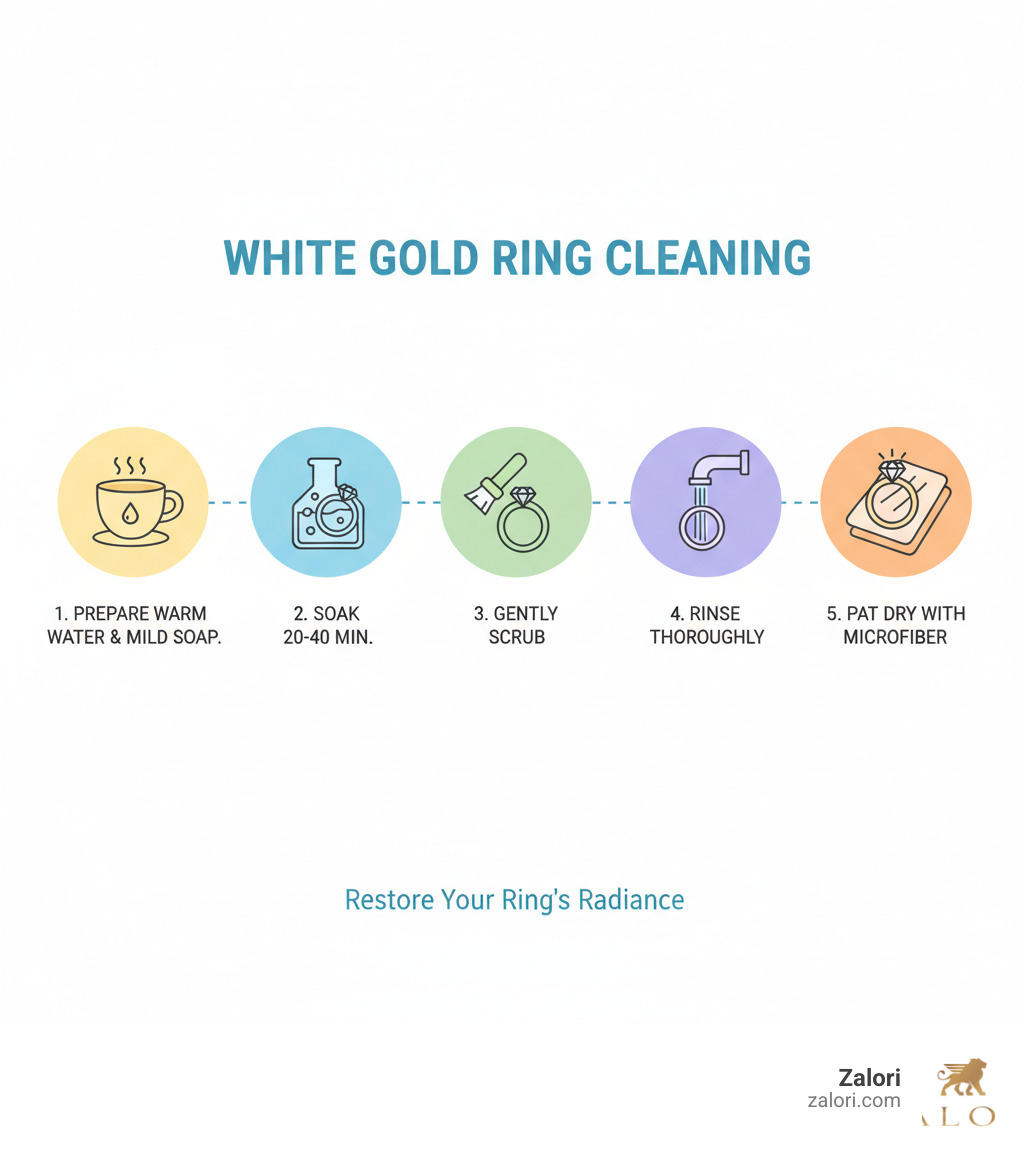
Ready to bring back that sparkle? Here's how to clean an engagement ring white gold at home:
- Prepare a solution of warm water and a few drops of mild dish soap.
- Soak your ring for 20-40 minutes to loosen dirt and grime.
- Gently scrub with a soft-bristled brush, paying attention to crevices and around the diamond.
- Rinse thoroughly under warm, running water (with the drain plugged!).
- Pat dry with a soft, lint-free microfiber cloth.
Learning how to clean an engagement ring white gold ensures your cherished symbol of love stays as brilliant as the day you received it. Over time, daily wear, skin oils, lotions, and even soap residue can dull its natural shine. White gold's signature bright appearance comes from a thin layer of rhodium plating, which requires gentle care to maintain its pristine look and protect the underlying metal. This guide will show you how to safely restore your ring's dazzling sparkle.
I'm Eric Roach Zalori, a venture capitalist and founder of Summit Metals Holdings, LLC, which includes Zalori.com. My experience in high-quality precious metals and jewelry provides me with deep insight into the nuances of how to clean an engagement ring white gold for lasting beauty.
At Zalori, we craft luxury jewelry and accessories using precious metals and genuine stones, upholding uncompromising standards for exceptional craftsmanship and meticulous selection of high-quality, authentic materials. When it comes to white gold, there's more to its beauty than meets the eye. Unlike pure gold, which is naturally yellow, white gold is an alloy. This means it's a mixture of pure gold—which is too soft for everyday wear on its own—and other white metals like silver, palladium, or nickel. While this alloy process gives it strength, it also leaves white gold with a slight natural yellow tint.
To achieve that bright, reflective, and lustrous finish we all adore, white gold jewelry, including your cherished engagement ring, is coated with a thin layer of rhodium. Rhodium is a precious metal from the platinum family, renowned for its brilliant whiteness and exceptional durability. This rhodium plating is what gives white gold its signature sheen and helps minimize any yellow undertones from the gold alloy beneath. For a deeper dive into this fascinating process, explore our guide on What is Rhodium Plating? Everything Zalori Shoppers Need to Know.
Over time, however, this beautiful rhodium plating can wear off due to everyday wear and tear. Factors like your personal usage habits, the acidity of your skin, and the quality of the original plating all influence how quickly this happens. As the plating erodes, the underlying yellowish tint of the gold alloy can start to show through, particularly around the prongs and corners of your ring. This is why understanding white gold's composition is crucial for proper care and maintenance. For a comprehensive comparison of white gold and other popular metals, see our article on White Gold vs. Platinum in 2025: Color, Care, Allergy Safety, and Cost – A No-Regrets Guide.
Why White Gold Needs Special Care
Because white gold is essentially yellow gold mixed with white metals and then coated in a delicate layer of rhodium, keeping it looking pristine is a bit more nuanced than caring for other metals. The rhodium layer, while beautiful and durable, is more susceptible to damage from harsh chemicals and abrasive actions than pure metals. This makes avoiding certain cleaning agents paramount to preventing premature wear and maintaining its brilliant finish.
For instance, yellow gold (typically an alloy of pure gold, copper, and zinc) doesn't rely on a plating for its color, making its cleaning process generally less complicated. Platinum, on the other hand, is a naturally white and incredibly durable metal that doesn't tarnish or require plating, meaning it can often withstand more robust cleaning methods without concern for discoloration.
Our commitment to quality at Zalori extends to guiding you in the care of your precious pieces. Understanding the unique properties of white gold, as discussed in The Material World: Uncovering the Secrets of True Quality, helps us ensure your jewelry retains its value and beauty for generations.
Signs Your Ring Needs Cleaning
Even the most beautiful white gold engagement ring can lose its sparkle over time. Regular cleaning is essential to remove the dirt, oil, and soap residue that accumulate from daily wear, maintaining its luster and brilliance. But how do you know when it's truly time for a good clean? Here are the tell-tale signs:
- Dull Appearance or Lack of Sparkle: This is usually the first and most obvious sign. If your diamond or the metal itself looks lackluster and doesn't catch the light as it once did, it's likely covered in a layer of grime.
- Film or Residue: You might notice a greasy film on the surface of the metal or diamond. This often comes from lotions, soaps, skin oils, and even makeup.
- Dirt in Crevices: Pay close attention to intricate designs, the area around the prongs, and the underside of the diamond. Dirt and debris love to hide in these tight spaces, dulling the stone's brilliance and the metal's shine.
- Skin Irritation: While less common, sometimes accumulated residue can cause slight irritation to the skin beneath the ring. If you experience discomfort, a thorough cleaning might be in order.
- Yellowish Tint: If you start to see a yellowish hue, especially around the prongs or corners, it's a sign that the rhodium plating is wearing off. While cleaning won't restore the white, it will ensure the ring is pristine for re-plating.
The Best At-Home Method: How to Clean an Engagement Ring White Gold
Maintaining the dazzling sparkle of your white gold engagement ring doesn't require a trip to a professional every time. With a few simple tools and a gentle approach, you can keep your ring looking its best right at home.

Here's what you'll need for our recommended at-home cleaning method:
- Warm Water: Not too hot, just comfortably warm.
- Mild Dish Soap: Crucially, this should be a gentle, ammonia-free, and chlorine-free dish soap. We emphasize "mild" because harsh detergents can potentially damage the rhodium plating.
- Small Bowl: To soak your ring safely.
- Soft-Bristled Brush: A clean, soft-bristled toothbrush (a baby toothbrush works wonderfully!) is ideal for gently scrubbing without scratching.
- Lint-Free Microfiber Cloth: For drying and polishing without leaving fibers or causing scratches.
Step-by-Step Cleaning for White Gold and Diamonds
Now that you have your supplies ready, let's walk through the steps to safely clean your white gold engagement ring and bring back its brilliant shine.
- Prepare Your Cleaning Solution: Fill your small bowl with warm water and add a few drops of mild dish soap. Stir gently to create a soapy solution.
- Soak Your Ring: Carefully place your white gold engagement ring into the solution. Let it soak for 20 to 40 minutes. This soaking time is crucial as it helps to loosen any accumulated dirt, oils, and residues that are dulling its sparkle. For rings that are very dirty or haven't been cleaned in a while, a longer soak within this range can be beneficial.
- Gentle Scrubbing: After soaking, remove your ring from the bowl. Using your soft-bristled brush, gently scrub the entire ring. Pay special attention to the areas around the prongs, where dirt and grime tend to build up and obscure the diamond's brilliance. Also, remember to gently clean behind the diamond to ensure light can pass through for maximum sparkle. For on-the-go cleaning and maintaining brilliance between deeper cleans, consider investing in specialized jewelry cleaning tools. These offer convenient ways to keep your ring sparkling.
- Rinse Thoroughly: This step is vital. Rinse your ring under warm, running water to wash away all traces of soap and loosened debris. To prevent any accidental slips and losses, always plug the drain or rinse the ring over a second clean bowl.
- Pat Dry: Gently pat your ring dry with a soft, lint-free microfiber cloth. Avoid using paper towels, as their abrasive fibers can potentially scratch the delicate rhodium plating. You can also allow it to air dry completely for a few minutes to ensure no moisture is trapped in crevices.
Following these simple steps will help restore your ring's luster and keep your diamond sparkling. For more general gold cleaning tips, check out our guide on Unlock the Luster: Simple Steps to Clean Gold at Home.
What to AVOID When Cleaning Your Ring at Home
While we love a good DIY hack, when it comes to your precious white gold engagement ring, some common household items and harsh chemicals are definite no-gos. White gold's rhodium plating is delicate, and certain substances can cause irreparable damage, leading to discoloration, scratches, or even weakening of the setting.
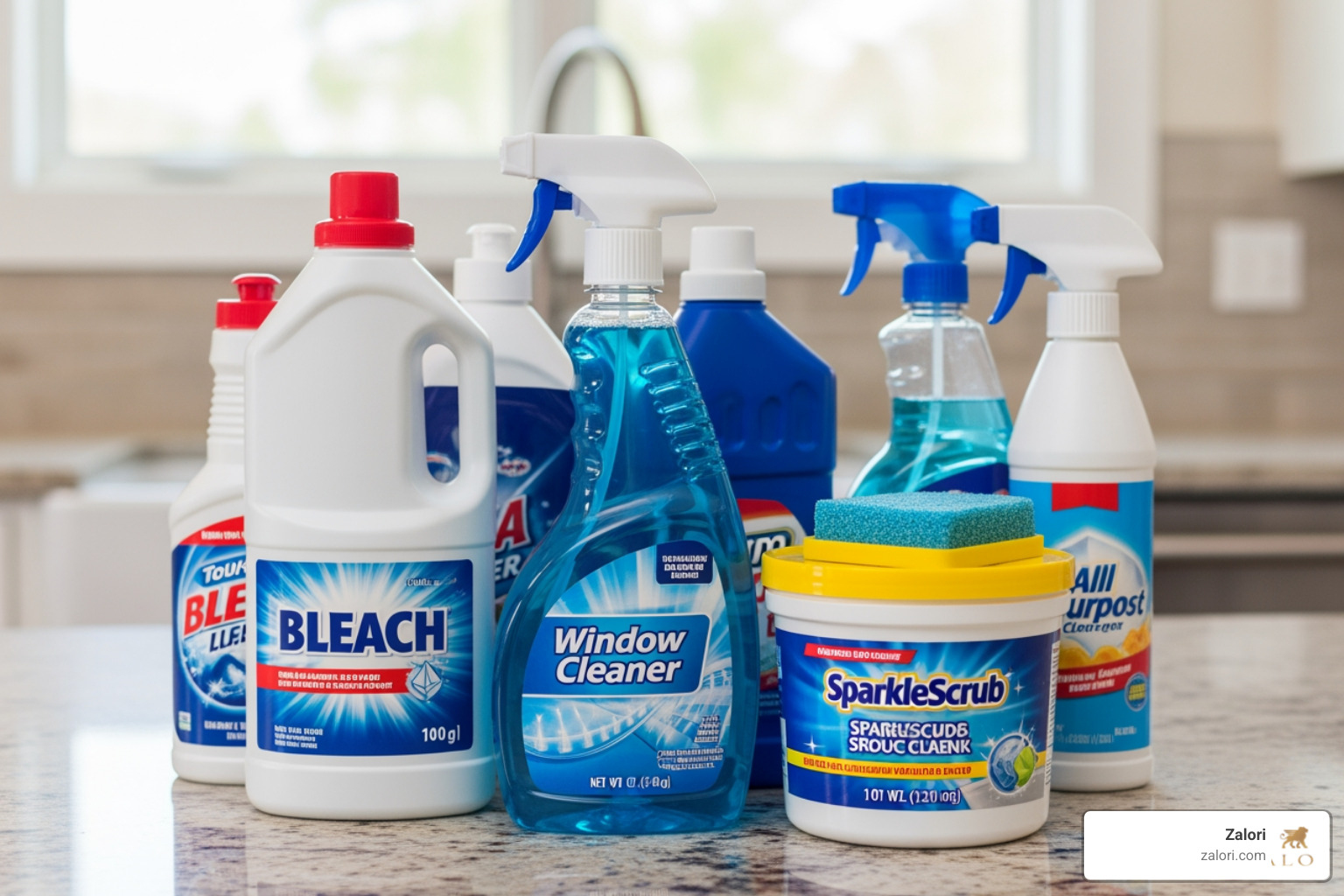
Here's a quick guide on what to avoid and why:
-
Ammonia
- White gold: Avoid. It can attack or dull the rhodium plating and may damage certain gemstones.
- Yellow gold: Avoid routine use. It can discolor alloys and harm some gemstones.
- Platinum: The metal may tolerate brief, very dilute exposure, but it's best avoided—especially if gemstones are present.
-
Chlorine (bleach, pool/hot-tub water)
- White gold: Absolutely avoid. Chlorine can cause stress cracking in gold alloys and degrade plating.
- Yellow gold: Absolutely avoid. It can pit, discolor, and embrittle the alloy.
- Platinum: More resistant, but still best avoided to protect gemstones and any finishes.
-
Acetone (nail polish remover)
- White gold: Avoid. It may affect the plating and certain gemstone treatments.
- Yellow gold: Avoid on jewelry with gemstones or adhesive-set components.
- Platinum: The metal is generally safe, but many gemstones and treatments are not, so avoid unless a jeweler confirms it's safe for your piece.
-
Toothpaste or baking soda
- White gold: Too abrasive; will scratch and thin the rhodium plating.
- Yellow gold: Too abrasive; causes micro-scratches.
- Platinum: Too abrasive; dulls the finish.
-
Abrasive powders/cleansers or polishing pastes
- Avoid for all three metals. These scratch surfaces, thin plating, and leave a dull appearance.
Related Articles
View all