Unlock the Luster: Simple Steps to Clean Gold at Home
Why Your Gold Jewelry Loses Its Shine
Finding an easy way to clean gold jewelry at home can restore your precious pieces to their original brilliance without expensive professional services. Here are the quickest methods:
Simple Gold Cleaning Methods:
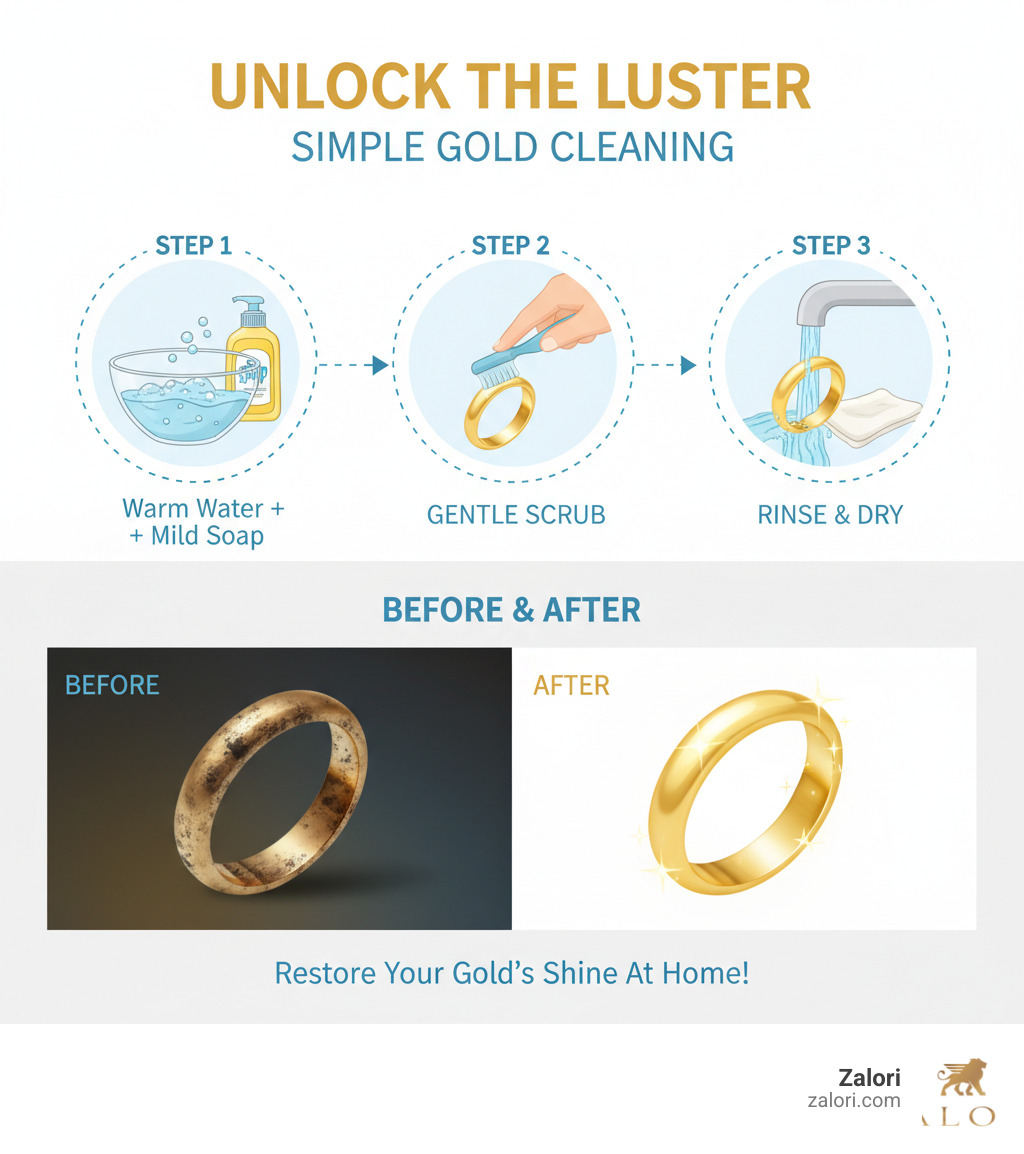
- Dish Soap Solution - Mix warm water with mild dish soap, soak 10-15 minutes, scrub gently with soft toothbrush
- Basic Rinse & Dry - Rinse thoroughly under warm water, pat dry with lint-free cloth
- Weekly Maintenance - Light cleaning prevents heavy buildup from oils and lotions
Your gold jewelry naturally dulls over time from contact with skin oils, lotions, cosmetics, and everyday wear. As professional jewelers explain, "gold dulls like a mirror with fingerprints when it comes into contact with skin oils." This buildup creates a filmy layer that masks gold's natural reflective quality and brilliant luster.
The good news? Restoring your gold's shine is simpler than you might think. With just a few household items and gentle techniques, you can bring back that mirror-like finish that makes quality gold jewelry so captivating.
I'm Eric Roach Zalori, a serial venture capitalist who launched Summit Metals Holdings and Zalori to provide authentic, high-quality precious metals and jewelry to discerning customers. Through my experience in the luxury jewelry industry, I've learned that knowing the easy way to clean gold properly protects your investment while maintaining the exceptional craftsmanship that sets quality pieces apart.
Why Regular Cleaning is Essential for Your Gold Jewelry
Your beautiful gold jewelry faces a daily battle against invisible enemies. Every time you wear your favorite pieces, they come into contact with natural skin oils, lotions, cosmetics, perfumes, and sweat. Add environmental dust and pollution to the mix, and you've got a recipe for dullness that can steal your jewelry's natural brilliance.
Think of it this way: your gold jewelry is like a mirror collecting fingerprints throughout the day. That filmy layer doesn't just appear overnight—it builds up gradually until one day you notice your once-sparkling ring or necklace has lost its wow factor.
Regular maintenance is the *easy way to clean gold and prevent this buildup from taking hold.* When you stay on top of cleaning, you're not just restoring shine—you're preserving the exceptional craftsmanship that makes quality jewelry so special.
But there's more to regular cleaning than just aesthetics. Hygiene benefits make this practice essential for your health too. Dirt and bacteria love to hide in the intricate crevices of rings and earrings. This accumulation can cause skin irritation or minor infections, especially around piercings.
Nobody wants their beautiful jewelry to become a source of discomfort! A gentle cleaning routine keeps your pieces hygienic and comfortable to wear every day.
Here's something many people don't realize: neglecting your gold jewelry can lead to long-term corrosion issues. While pure gold doesn't tarnish, most jewelry contains alloys with other metals that can deteriorate over time when exposed to certain substances without proper care.
By staying proactive with cleaning, you're protecting your investment and ensuring your cherished pieces maintain their value. After all, quality gold jewelry deserves the tender loving care that helps it last for generations.
For comprehensive insights into caring for all your precious pieces, explore our detailed guide on Jewelry Care 101: Your Complete Jewelry Care Guide for Gold, Sterling Silver.
The Easiest Way to Clean Gold: A Step-by-Step Guide
You don't need expensive professional services or complicated procedures to restore your gold jewelry's brilliance. The easy way to clean gold at home uses simple household items you probably already have in your kitchen. This gentle, non-abrasive approach protects your precious pieces while bringing back that mirror-like shine that makes gold so captivating.
The beauty of at-home cleaning lies in its simplicity. With just a few basic supplies and about 20 minutes of your time, you can transform dull, grimy jewelry back to its original luster. This method works wonderfully for rings, necklaces, bracelets, and earrings – essentially any solid gold piece that needs a refresh.
What You'll Need
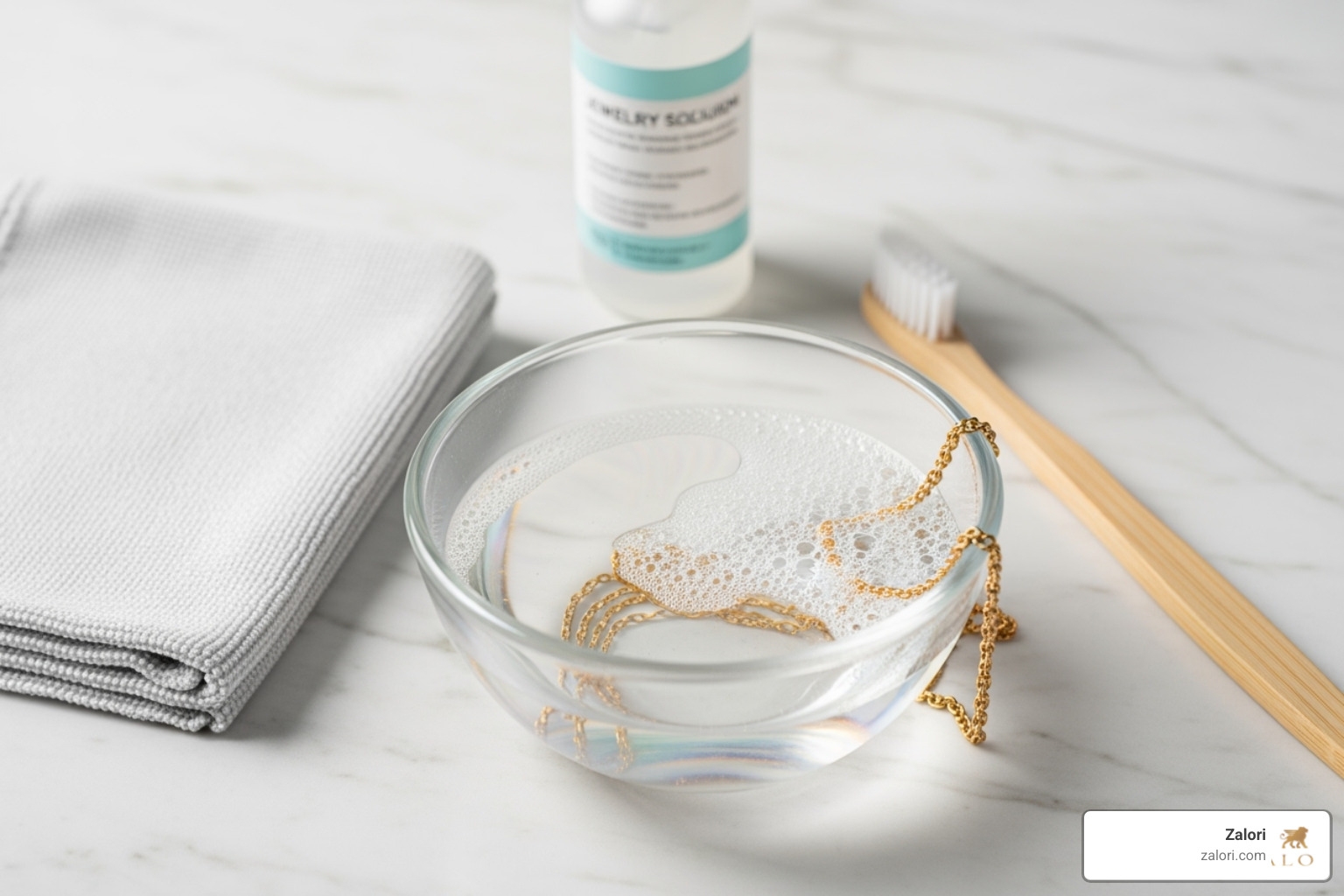
Getting organized first makes the whole process smoother. You'll want to gather mild dish soap – the gentle, phosphate-free kind works best. Avoid anything with harsh detergents or moisturizing additives that could leave residue on your jewelry.
Fill a small, clean bowl with warm water – not scalding hot, just comfortably warm to the touch. Glass or plastic bowls work perfectly, and here's a pro tip: never clean jewelry directly over an open sink drain! We've all heard those horror stories of wedding rings disappearing forever.
A soft-bristled baby toothbrush becomes your best friend for reaching into intricate designs and settings. The gentle bristles dislodge dirt without scratching your gold. If you don't have a baby toothbrush handy, a clean eyebrow spoolie works just as well.
Finally, grab a lint-free microfiber cloth for the finishing touches. These cloths dry and polish without leaving behind fibers or causing tiny scratches. Soft paper towels work too, as long as they're free of moisturizers or lotions.
The 5-Step Cleaning Process
Now comes the satisfying part – watching your jewelry transform from dull to dazzling. This easy way to clean gold follows a simple rhythm that becomes second nature once you try it.
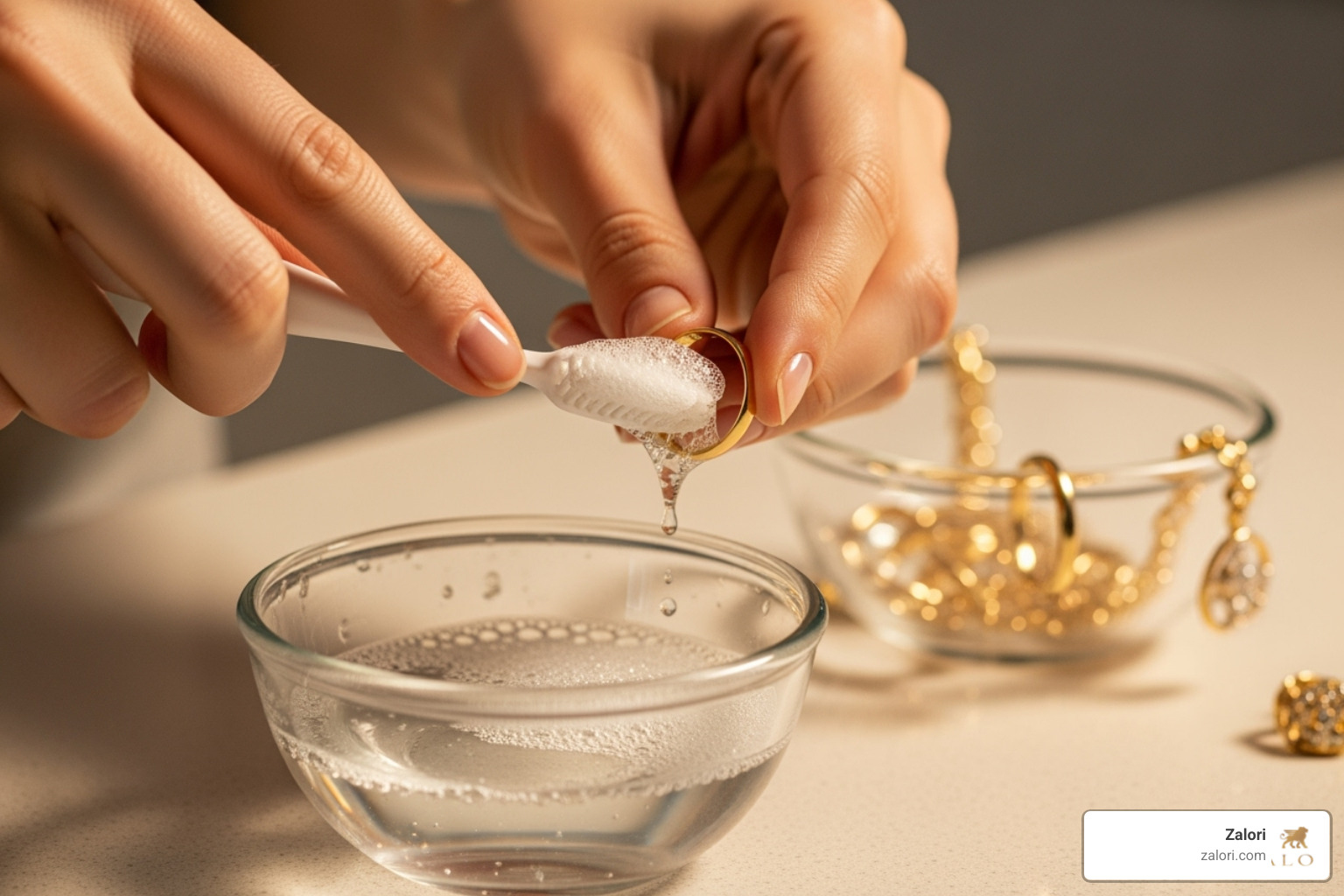
Start by preparing your cleaning solution – just a few drops of dish soap mixed into your bowl of warm water. Stir gently until you see bubbles forming. The warm water helps dissolve oils and everyday grime, while the soap lifts away stubborn residue.
Next, soak your jewelry for 10-15 minutes in this soapy bath. This step does most of the heavy lifting, loosening dirt and oils that have built up in every tiny crevice. For pieces that haven't been cleaned in months, you can extend the soaking time to 20 or even 30 minutes.
The gentle scrubbing phase is where you'll see the most dramatic improvement. Remove one piece at a time from the solution and use your soft toothbrush to work away any remaining buildup. Pay special attention to the backs of settings, chain links, and decorative details where grime loves to hide. Work over the bowl – not the sink – just in case any stones decide to come loose.
Rinsing thoroughly removes every trace of soap residue. Use warm running water and take your time with this step. Soap left behind can create a film that actually makes your jewelry look duller. Block that sink drain or rinse over a second bowl for extra peace of mind.
The final pat-dry step seals the deal. Gently press your microfiber cloth against each surface, absorbing moisture from every nook and cranny. Complete drying prevents water spots and keeps your newly cleaned gold looking flawless.
This straightforward process transforms tired-looking jewelry into pieces that sparkle like new, proving that the most effective cleaning method is often the simplest one.
What to Use and What to Avoid for Safe Cleaning
Your gold jewelry is an investment that deserves thoughtful care. Understanding what's safe and what could cause damage helps you protect these precious pieces for years to come. Gold may be durable, but it's also a relatively soft metal that responds differently to various cleaning agents.
The key is knowing gold's properties and respecting them. Pure gold is quite soft, while most jewelry contains alloys that add strength but can also create new sensitivities to certain chemicals.
An easy way to clean gold with safe household items
The beauty of caring for gold lies in its simplicity. The easy way to clean gold uses items you likely already have at home. Mild dish soap remains your best friend here - it cuts through oils and grime without harsh chemicals that could damage your pieces.
Warm water works wonderfully as your base solution. It helps dissolve buildup naturally without shocking delicate settings or gemstones. Soft cloths and baby toothbrushes complete your gentle cleaning arsenal, providing just enough action to remove stubborn dirt without scratching.
For occasional deeper cleaning, some jewelers suggest adding a couple drops of ammonia to your mild soap solution. This can tackle more stubborn buildup effectively. However, use this sparingly - just a few minutes of soaking with good ventilation, followed by thorough rinsing. Always test this method on a less visible area first, especially with gemstone pieces.
Harsh Chemicals and Materials to Avoid
Here's where many well-meaning jewelry owners go wrong. Strong doesn't always mean better when it comes to cleaning gold.
Chlorine bleach tops the list of products to absolutely avoid. This chemical can permanently damage and discolor gold, especially the alloys used in most jewelry. It weakens the metal structure itself, potentially causing brittleness and cracks. Always remove your gold jewelry before swimming in chlorinated pools or using bleach-based cleaners.
Baking soda and toothpaste might seem like natural choices, but both contain abrasive particles. While these abrasives work great for cleaning teeth or scrubbing sinks, they create tiny scratches on gold's surface. These scratches accumulate over time, eventually dulling the metal's natural shine and requiring professional re-polishing.
Acidic cleaners like vinegar present another concern. While vinegar works well for many household cleaning tasks, its acidity can damage the other metals in gold alloys. This affects both the integrity and color of your jewelry over time. For more details about potential damage from acidic vinegar, research shows these acids can cause unexpected reactions with metal alloys.
Using these harsh products leads to permanent discoloration, etching, and scratches that diminish both beauty and value. The good news? The gentle methods we've outlined deliver excellent results without any risk to your treasured pieces.
Special Care for Different Types of Gold Jewelry
Every piece of gold jewelry tells its own story, and each one deserves care custom to its unique characteristics. Whether you're dealing with an intricate vintage brooch passed down through generations or a sleek modern chain, understanding these variations helps you find the easy way to clean gold that's right for each piece.
Think of it like caring for different fabrics – you wouldn't wash silk the same way you'd wash denim. The same principle applies to your precious jewelry.
Cleaning Intricate and Gemstone-Encrusted Pieces
Your grandmother's ornate ring or that stunning statement necklace with multiple gemstones requires a gentler touch than a simple gold band. These pieces are like delicate works of art that need special attention.
Always start by checking for loose stones before any cleaning begins. Hold the piece close to your ear and give it a gentle shake. If you hear any rattling or clicking sounds, that's your jewelry telling you it needs professional attention first. Cleaning a piece with loose stones is like trying to wash a sweater with loose buttons – you might end up losing something precious.
When you're ready to clean, focus on gentle scrubbing techniques using that soft baby toothbrush we mentioned earlier. The bristles can reach into tiny crevices and around settings where dirt loves to hide. But here's where things get interesting – not all gemstones enjoy the same treatment.
Porous stones like pearls, opals, and emeralds are the sensitive souls of the gemstone world. They don't appreciate long soaks in water, much like how some people don't enjoy long baths. For these beauties, a quick dip in your mild soap solution followed by immediate gentle cleaning and thorough rinsing works best. Pearls, especially, should only meet soap and water – they're quite particular about their company.
On the flip side, diamonds, sapphires, and rubies are the tough cookies who can handle your standard soaking routine without complaint. They're like that friend who's up for any adventure.
Professional inspection becomes your best friend when dealing with intricate pieces. A skilled jeweler can spot potential problems before they become expensive disasters, ensuring your treasured pieces stay beautiful for years to come.
An easy way to clean gold of different types
Just as there are different types of people, there are different types of gold, each with its own personality and care requirements. Understanding these differences helps you choose the perfect cleaning approach.
Solid gold pieces – whether they're 14k, 18k, or 24k – are like the reliable friends in your jewelry box. The numbers tell you about gold's purity, with 24k being pure gold (and quite soft) while 14k and 18k are mixed with other metals for strength. All solid gold responds beautifully to our gentle dish soap and warm water method. If you're curious about the differences between these gold types, our guide on Solid Gold Jewelry: 14k vs. 18k vs. 24k explains everything in detail.
Gold-plated and gold vermeil pieces are the ones that need your most tender care. They wear a thin golden coat over another metal, like sterling silver. Think of them as having a beautiful but delicate outer layer that can wear away if treated roughly. The easy way to clean gold plated jewelry is with extra gentleness – no vigorous scrubbing allowed. Our Gold Vermeil vs. Gold Filled vs. Solid Gold and Sterling Silver: The Clear No-Regrets Jewelry Guide breaks down these different types so you'll know exactly what you're working with.
White gold has its own quirks. It's typically gold mixed with white metals and often gets a rhodium coating for that brilliant silvery-white shine. Over time, this coating can wear thin, revealing a slightly yellowish tone underneath. While our gentle cleaning method works perfectly for white gold, it won't restore worn rhodium plating – that's a job for the professionals. Learn more about this fascinating metal in our article Is Rhodium-Plated Gold Right For You? Showing Its Secrets.
Rose gold, with its romantic pink hue from copper content, responds beautifully to the same gentle treatment as other gold types. Just remember to avoid harsh chemicals that might affect its gorgeous color.
By understanding your gold's unique personality and treating it accordingly, you'll keep every piece in your collection looking as stunning as the day you first fell in love with it. After all, great jewelry deserves great care.
Maintaining Your Gold's Brilliance: Storage and Professional Care
Think of caring for your gold jewelry like tending to a garden—consistent attention and the right environment make all the difference. Beyond knowing an easy way to clean gold, understanding proper storage and when to call in the experts ensures your precious pieces stay stunning for years to come.
Best Practices for Storing Gold Jewelry
Your beautiful gold jewelry deserves a safe haven when it's not adorning you. Poor storage habits are often the silent culprits behind scratched, tangled, or dulled pieces that could have been easily prevented.
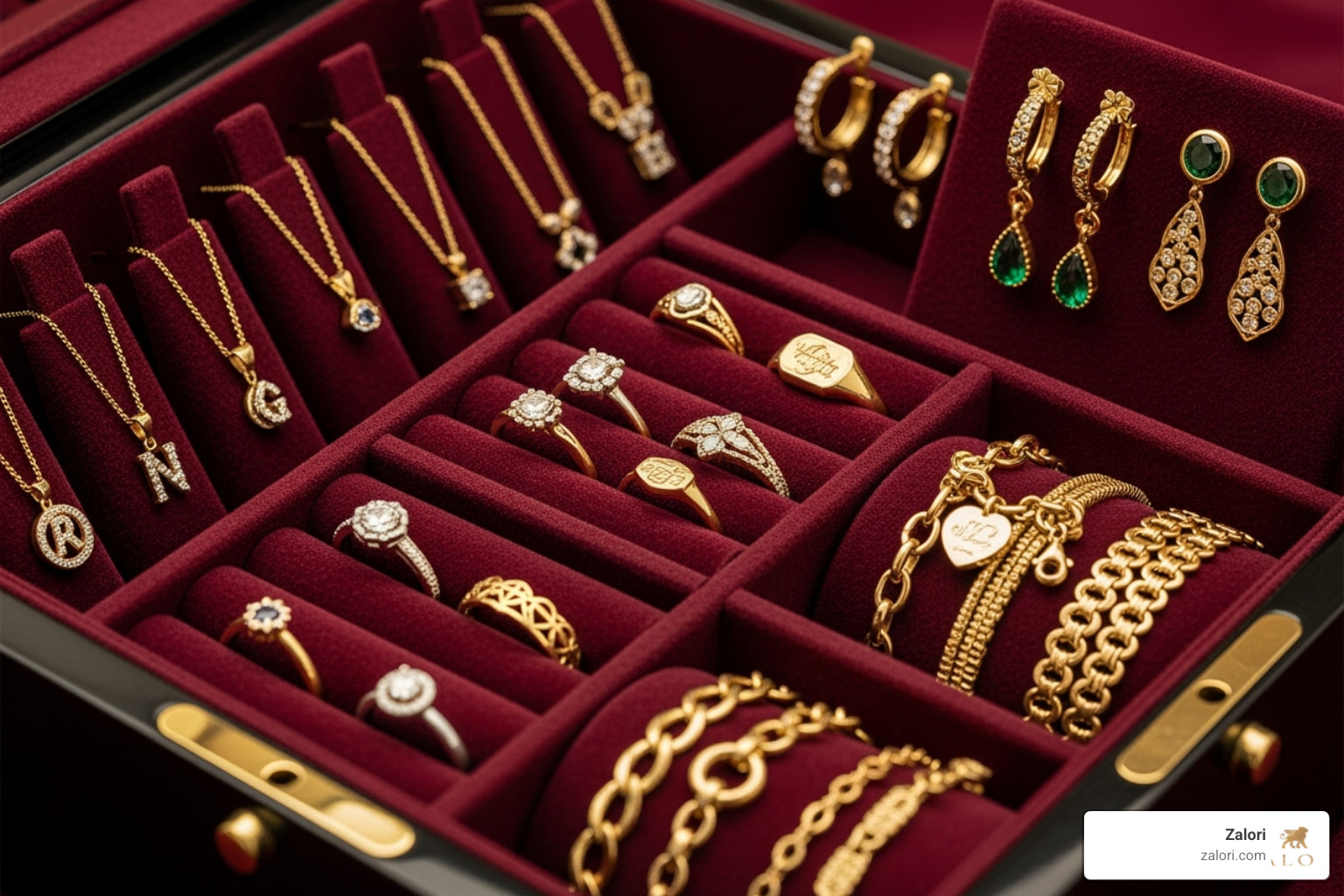
A fabric-lined jewelry box is your gold's best friend. The soft lining acts like a protective cushion, preventing your pieces from banging against hard surfaces. If you don't have a jewelry box, individual soft pouches work wonderfully too. Think of each piece getting its own cozy bedroom where it can rest safely.
Gold is surprisingly soft, especially in higher karats, which means it scratches more easily than you might expect. When pieces jumble together in a drawer or box, they're essentially having a tiny wrestling match every time you move them. Preventing scratches is as simple as giving each piece its own space—separate compartments or pouches do the trick perfectly.
We've all been there with tangled necklaces that seem impossible to unknot. Avoiding tangles isn't just about convenience (though untangling a delicate chain can be maddening). Severe tangles can actually damage clasps, stretch links, or create kinks that weaken the metal over time.
Location matters too. Store your gold jewelry in a cool, dry place away from your bathroom's steamy showers and humidity spikes. Think bedroom dresser rather than bathroom counter. Excessive moisture can accelerate tarnishing, especially in gold alloys that contain other metals.
At-Home vs. Professional Cleaning
While our gentle dish soap method is an excellent easy way to clean gold regularly, knowing when to upgrade to professional care can save you from costly repairs down the road.
How often should you clean at home? For most pieces, a thorough cleaning every month or two keeps them sparkling. Daily-wear items like wedding rings or favorite earrings benefit from light cleaning every few weeks, especially since they're constantly exposed to hand lotions, perfumes, and environmental elements.
But even the most diligent home care has its limits. Professional cleaning and inspection should happen at least once yearly—think of it as an annual check-up for your jewelry. Professional jewelers have specialized tools like ultrasonic cleaners that create tiny bubbles to dislodge dirt from intricate settings that your toothbrush simply can't reach.
Signs your jewelry needs professional attention are usually pretty obvious once you know what to look for. Visible deep scratches that don't disappear with gentle cleaning need professional polishing. Persistent dullness that won't budge despite your best cleaning efforts often indicates micro-scratches or worn plating that requires expert restoration.
More urgently, loose or rattling gemstones need immediate professional attention—don't risk losing a precious stone by waiting. Similarly, damaged prongs or clasps are safety issues that could result in lost jewelry if not promptly repaired.
The beauty of professional cleaning lies in the details. Jewelers can safely clean delicate gemstones that might be risky to soak at home, restore rhodium plating on white gold, and catch small problems before they become expensive repairs. Many professionals even use the same mild dish soap we recommend, just with much more sophisticated equipment to get better results.
Your Zalori pieces represent exceptional craftsmanship and quality materials—giving them this level of care ensures they'll continue looking as stunning as the day you first fell in love with them.
Frequently Asked Questions about Cleaning Gold
We know that caring for your precious jewelry can sometimes feel overwhelming, especially when you want to make sure you're doing everything right. Let's address the questions we hear most often from our customers about maintaining their gold pieces.
How often should I clean my gold jewelry?
The truth is, there's no one-size-fits-all answer—it really depends on how you wear your pieces. For most jewelry that gets occasional wear, a thorough cleaning every one to two months works beautifully. This prevents any serious buildup while keeping your gold looking its best.
But here's where it gets personal: if you're someone who wears your wedding ring or favorite bracelet every single day, you'll want to show it a little more attention with light cleaning every few weeks. These daily-wear heroes face everything from hand lotions to cooking oils, so they work harder and need more care.
Yellow gold pieces that see daily action might even benefit from a gentle cleaning every couple of weeks, especially if you use hand sanitizers frequently or work with your hands a lot. The key is really just paying attention—if your jewelry starts looking dull or feels a bit sticky to the touch, that's your cue for some TLC.
Don't forget about that annual professional check-up either. Even with the best home care, a yearly visit to a trusted jeweler ensures everything stays secure and sparkling.
Can homemade cleaning solutions damage gold jewelry?
Unfortunately, yes—some popular home remedies can actually harm your beautiful pieces. We've all seen those viral cleaning videos that promise miracle results, but many of these methods can cause damage that's expensive or impossible to fix.
The biggest culprits are harsh abrasives like baking soda or toothpaste. While they might seem gentle enough for daily use on our teeth, gold is much softer than enamel. These abrasives create tiny scratches that build up over time, gradually dulling your jewelry's natural shine. What starts as a quick cleaning hack can end up requiring professional re-polishing.
Strong acids and chlorine are even more dangerous. Chlorine bleach doesn't just clean—it actually reacts chemically with the metals in your gold alloy. This can cause permanent discoloration, weaken the metal structure, and even make your jewelry brittle. The damage often can't be undone, which is heartbreaking when it happens to a cherished piece.
That's why we always recommend sticking with our proven easy way to clean gold: mild dish soap and warm water. It might not seem as exciting as some DIY solutions, but it's gentle, effective, and most importantly, safe for your investment.
What are the signs my jewelry needs professional cleaning or repair?
Sometimes, even the best home care isn't enough, and knowing when to call in the experts can save you from bigger problems down the road.
Deep scratches that won't polish out with gentle cleaning are a clear sign it's time for professional help. A skilled jeweler can restore that mirror-like finish that makes gold so captivating.
If your jewelry still looks dull even after a thorough cleaning, you might be dealing with embedded grime, stubborn tarnish, or worn plating that needs specialized attention. This is especially common with white gold pieces that may need rhodium re-plating.
Here's the most important one: loose or rattling gemstones. If you gently shake a piece and hear stones moving around, or if you can see a stone wiggling in its setting, stop wearing it immediately and get to a jeweler. Loose stones are just waiting for the right moment to disappear forever.
Watch out for damaged prongs or clasps too. Bent prongs can't hold stones securely, and stiff or loose clasps are accidents waiting to happen. These structural issues need professional repair to keep your jewelry safe and wearable.
Trust your instincts—if something doesn't look or feel right, it's always better to have it checked by a professional than to risk losing a piece you love.
Conclusion
Your gold jewelry deserves the same care and attention that went into crafting it. The easy way to clean gold we've shared isn't just about making your pieces sparkle—it's about honoring their value and the memories they hold. With nothing more than mild dish soap, warm water, and gentle techniques, you can restore that mirror-like brilliance that makes quality gold so captivating.
Think of regular cleaning as a small ritual of care. Those few minutes spent soaking and gently scrubbing away the day's oils and grime protect your investment while keeping your jewelry looking as stunning as when you first fell in love with it. And remember, what you don't use matters just as much—avoiding harsh chemicals and abrasive materials keeps your gold safe from permanent damage.
Every piece of gold is unique, from delicate gemstone settings to different karat weights and platings. Taking a moment to understand what you're cleaning ensures you're giving each piece exactly what it needs. Sometimes that means extra gentleness with pearls and opals, other times it means recognizing when a professional's expertise is the wisest choice.
Proper storage between wears and knowing when to seek professional care complete the circle of jewelry maintenance. It's not complicated, but it makes all the difference in preserving both beauty and value over time.
At Zalori, our commitment to exceptional craftsmanship means we select only the finest precious metals, genuine stones, pearls, and leather for our collections. We design each piece to be treasured for generations, and these simple care practices ensure they'll maintain their elegance and quality for years to come.
Your jewelry tells your story—let's keep that story shining bright. Explore our timeless gold collections and find pieces crafted with the same attention to detail we've shared in caring for them.
Related Articles
View all