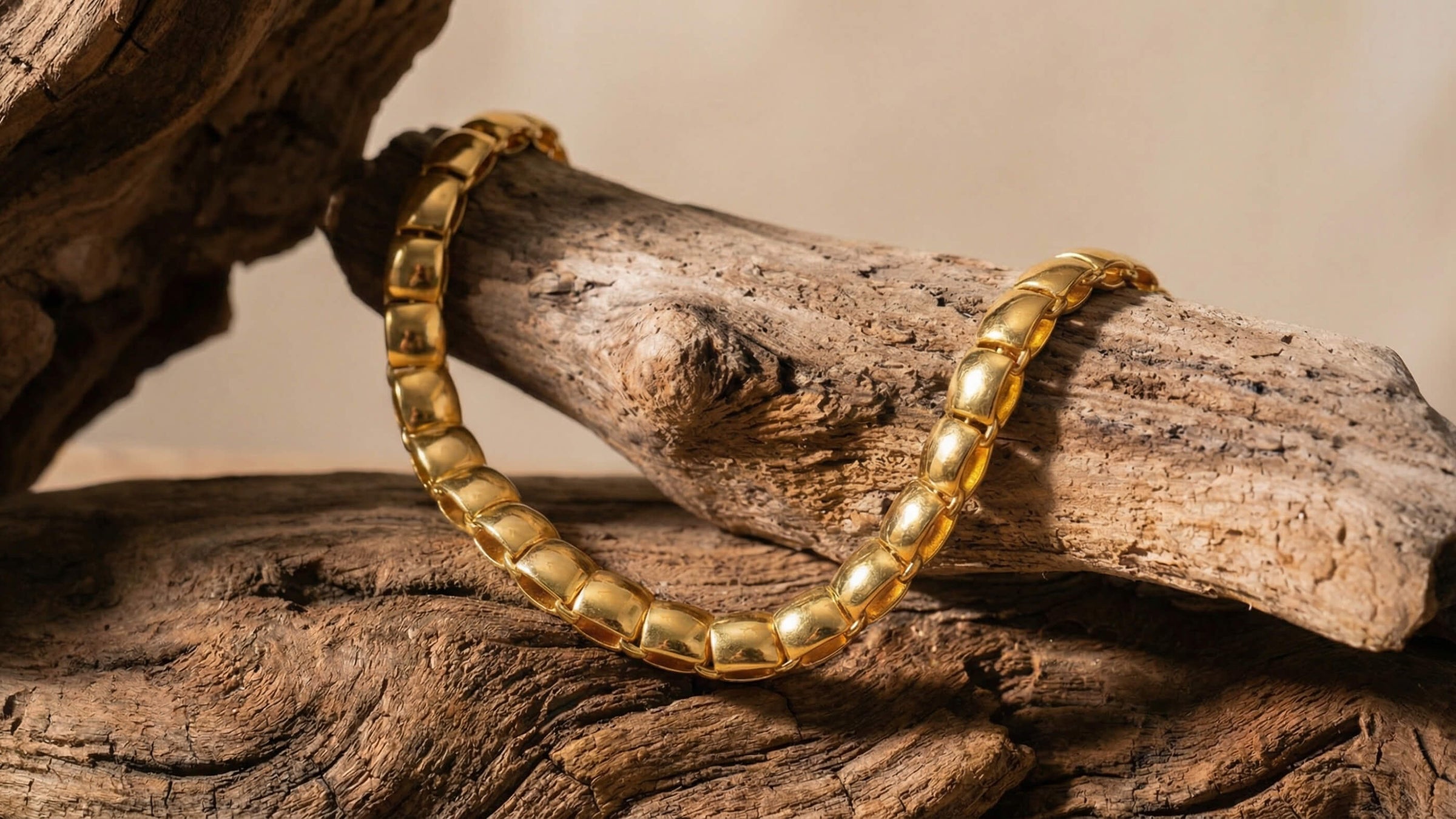
Solid Gold Jewelry: 14K vs 18K vs 24K
Solid gold jewelry has captivated people for centuries. Its timeless beauty and enduring value make it a popular choice.
But what makes solid gold jewelry so appealing? The answer lies in its purity and versatility.
Gold jewelry comes in various karats, each offering unique benefits. Understanding these differences is key to making informed choices.
In this guide, we will explore 14K, 18K, and 24K gold. We'll compare their qualities, uses, and investment potential.
Whether you're a jewelry enthusiast or a first-time buyer, this article will help you navigate the world of solid gold jewelry.
What Is Solid Gold Jewelry?
Solid gold jewelry is prized for its consistent value and rich appearance. It is crafted entirely from gold or a gold alloy. Unlike gold-plated pieces, solid gold items contain no base metals beneath the surface layer.
The karat system is crucial in defining solid gold's purity. A higher karat indicates more gold content in the piece. Here are some common factors about solid gold jewelry:
- Pure gold content.
- No plating or filling.
- Composed of durable alloys.
This type of jewelry is hypoallergenic, making it suitable for sensitive skin. Its ability to resist tarnish and corrosion further adds to its appeal.
Solid gold’s versatility allows it to be fashioned into different designs. This makes it perfect for both everyday wear and special occasions. With its mixture of elegance and tradition, solid gold jewelry remains a favorite across cultures and generations.

The Karat System: Understanding Gold Purity
Gold purity is measured using the karat system, which is essential for distinguishing gold jewelry grades. The system helps buyers gauge the value and purity of a piece. In this system, 24 karats represent pure gold, which is 99.9% gold.
Various karat levels, like 14K and 18K, indicate different gold-to-other-metal ratios. These levels affect the color, strength, and price of the jewelry. Understanding these differences is crucial in making informed buying decisions.
Here’s a quick rundown of popular karat numbers:
- 24K: 99.9% pure gold, soft, rich yellow.
- 18K: 75% gold, luxurious, slightly durable.
- 14K: 58.3% gold, durable, budget-friendly.
Knowing the karat system aids in selecting jewelry that matches personal preferences and budgets. Whether seeking maximum purity or a blend of durability and appeal, the right choice lies in understanding karat designations.
14K Gold Jewelry: Durability and Everyday Appeal
14K gold jewelry is a popular choice for many due to its strength. Composed of 58.3% gold, it is alloyed with harder metals. This combination results in a durable product perfect for daily wear.
Its resilience makes 14K gold ideal for those with active lifestyles. Whether worn as a ring or a necklace, it withstands more wear and tear compared to higher karat gold. It is less prone to scratching and bending.
Affordability is another benefit of 14K gold. With less pure gold content, it is more budget-friendly than 18K and 24K options. This affordability doesn't compromise its aesthetic allure, making it a practical choice.
Here’s why 14K gold might be right for you:
- More durable and long-lasting
- Ideal for active wearers
- Budget-friendly without sacrificing beauty
This versatile gold type is available in various colors such as yellow, white, and rose gold. Its widespread availability means more designs and styles to choose from. For those seeking an elegant yet resilient option, 14K gold strikes a perfect balance.

18K Gold Jewelry: Luxury and Richness
18K gold jewelry is synonymous with luxury. It contains 75% pure gold, giving it a rich, warm glow that appeals to those seeking elegance. This higher gold content makes the jewelry shine more brilliantly.
While 18K gold is not as robust as 14K, it still offers a good balance of strength and beauty. It provides a luxurious feel, ideal for special occasions and fine jewelry pieces. This is why high-end watches and designer collections often feature 18K gold.
For those with sensitive skin, 18K gold is a great option. It tends to have fewer impurities, reducing the risk of allergic reactions. Its purer composition caters to those who value both aesthetics and comfort.
Here are the benefits of choosing 18K gold:
- Luxurious appearance and rich color
- Suitable for sensitive skin
- Ideal for special occasions and heirloom pieces
However, 18K gold comes at a higher cost than 14K, reflecting its increased gold content. Its exquisite appeal and rich hue make it a preferred choice among connoisseurs and collectors, providing both elegance and lasting value.

24K Gold Jewelry: Purity and Investment Value
24K gold jewelry represents the pinnacle of gold purity, containing 99.9% pure gold. This gives it an unmatched, vivid yellow hue. However, its remarkable purity also makes it softer than lower karat golds.
Due to this softness, 24K gold is less commonly used in everyday jewelry. It is more prone to scratches and deformation, making it less durable. Nevertheless, 24K gold holds significant allure for specific applications, primarily due to its visual appeal and traditional significance.
Many cultures favor 24K gold for ceremonial jewelry and high-value gifts. Its untarnished gold color is regarded as a symbol of wealth and prestige. Beyond aesthetics, 24K gold is also considered a worthwhile investment.
As gold prices fluctuate, 24K gold items can appreciate or hold value over time. This makes them an attractive option for collectors and investors alike. Its high gold content simplifies its value assessment, making it ideal for gold bullion and coins.
Benefits of 24K gold include:
- Highest gold purity available
- Traditional and cultural significance
- Potential for investment return
While not practical for everyday wear, 24K gold’s purity and glow make it irreplaceable in certain contexts.

14K vs 18K vs 24K Gold: Key Differences Compared
When selecting gold jewelry, understanding the differences in karat options is essential. Each karat level offers unique features that appeal to different preferences and needs.
14K gold contains 58.3% pure gold, mixed with various alloys for enhanced strength. This makes it ideal for durable, everyday jewelry. Its alloyed composition offers an affordable price point and resistance to scratches.
18K gold, with 75% gold, strikes a balance between luxury and practicality. It features a richer gold color compared to 14K, making it highly desirable for fine jewelry. Its increased gold content also translates to a higher cost.
24K gold stands out due to its 99.9% purity, celebrated for its brilliant yellow hue. However, its softness limits its use in high-contact jewelry pieces. It is favored for its purity and value as a long-term investment.
Comparison of Advantages:
-
14K Gold:
- Durable for daily wear
- More affordable
- Variety of colors
-
18K Gold:
- Rich gold appearance
- Suitable for high-end jewelry
- Balanced purity and durability
-
24K Gold:
- Highest purity
- Unmatched color and sheen
- Investment potential
Choosing between these karat options depends on personal taste, lifestyle, and financial considerations. The key is to align your needs with the unique characteristics offered by each type of gold.
How to Choose the Right Gold Jewelry for You
Selecting the perfect gold jewelry involves considering your lifestyle, preferences, and budget. Each karat level offers distinct benefits that cater to various needs.
Begin by evaluating how often you'll wear the jewelry. For everyday wear, opt for 14K gold. Its durability and scratch resistance make it ideal for frequent use.
Consider your style and preference for color. 18K gold, with its richer hue, suits those who prioritize luxury and a pronounced gold appearance. This option pairs well with high-end and designer pieces.
Next, factor in your budget and potential investment goals. While 24K gold jewelry boasts high purity and investment value, it's more costly and less practical for daily wear. It's best reserved for cultural or ceremonial use.
Decision-Making Checklist:
- Durability Needs: 14K for daily use
- Color Preference: 18K for richer gold tone
- Investment: 24K for highest value
By assessing these factors, you can make an informed choice that matches your lifestyle and meets your expectations.

Caring for Your Solid Gold Jewelry
Maintaining the beauty of your solid gold jewelry requires regular care. This ensures its shine and longevity. Gentle cleaning methods can help prevent tarnishing and damage.
It's best to clean your pieces with mild soap and lukewarm water. Use a soft brush to reach crevices without scratching the surface. For a deeper clean, consider professional services.
Remember to store your jewelry properly to avoid scratches. Use a soft pouch or lined jewelry box to keep items safe. Proper storage helps preserve their finish and integrity.
Tips for Jewelry Care:
- Clean gently with mild soap
- Use soft brushes for intricate designs
- Store separately in a soft-lined case
Keep your solid gold jewelry stunning and timeless with these simple yet effective care tips.
Solid Gold Jewelry as an Investment and Heirloom
Solid gold jewelry is more than just an accessory. It holds financial and sentimental value. Many view it as a reliable investment option.
The intrinsic value of gold can grow over time. This makes gold jewelry appealing for those seeking stable returns. Its value often remains unaffected by currency fluctuations.
Additionally, gold jewelry is a wonderful heirloom. It carries personal and family history. Such pieces are treasured and passed down through generations.
Benefits of Gold Jewelry Investment:
- Long-term value appreciation
- Hedge against economic instability
- Potential family heirloom
Solid gold jewelry combines elegance with enduring worth. It's both an investment and a keepsake.
Conclusion: The Timeless Allure of Solid Gold Jewelry
Solid gold jewelry captivates with its unmatched elegance and lasting value. Whether 14K, 18K, or 24K, each type offers unique benefits and charms.
Choosing the right type depends on personal taste and needs. Solid gold's beauty and prestige make it a timeless treasure, fitting for any occasion. It remains a cherished choice for investment and heirlooms.
Whether you’re drawn to the timeless elegance of solid gold, the refined allure of sterling silver, or the meticulous craftsmanship behind handcrafted luxury pieces, understanding the materials and methods behind designer jewelry empowers you to make more informed choices—and invest in pieces that truly stand the test of time.
At Zalori, we curate each collection with care, spotlighting precious metals and artisanal designers who prioritize quality, authenticity, and refined aesthetics. Ready to discover your next signature piece?
👉 Explore our Solid Gold Collection to find that perfect finishing touch.
Related Articles
View all