The 7 Best Hypoallergenic Metals Compared
What "Hypoallergenic" Really Means for Your Jewelry
Hypoallergenic metal jewelry is a solution for millions with skin reactions to common jewelry metals. The term means "less likely to cause an allergic reaction," though no metal is 100% safe for everyone.
The 7 Best Hypoallergenic Metals:
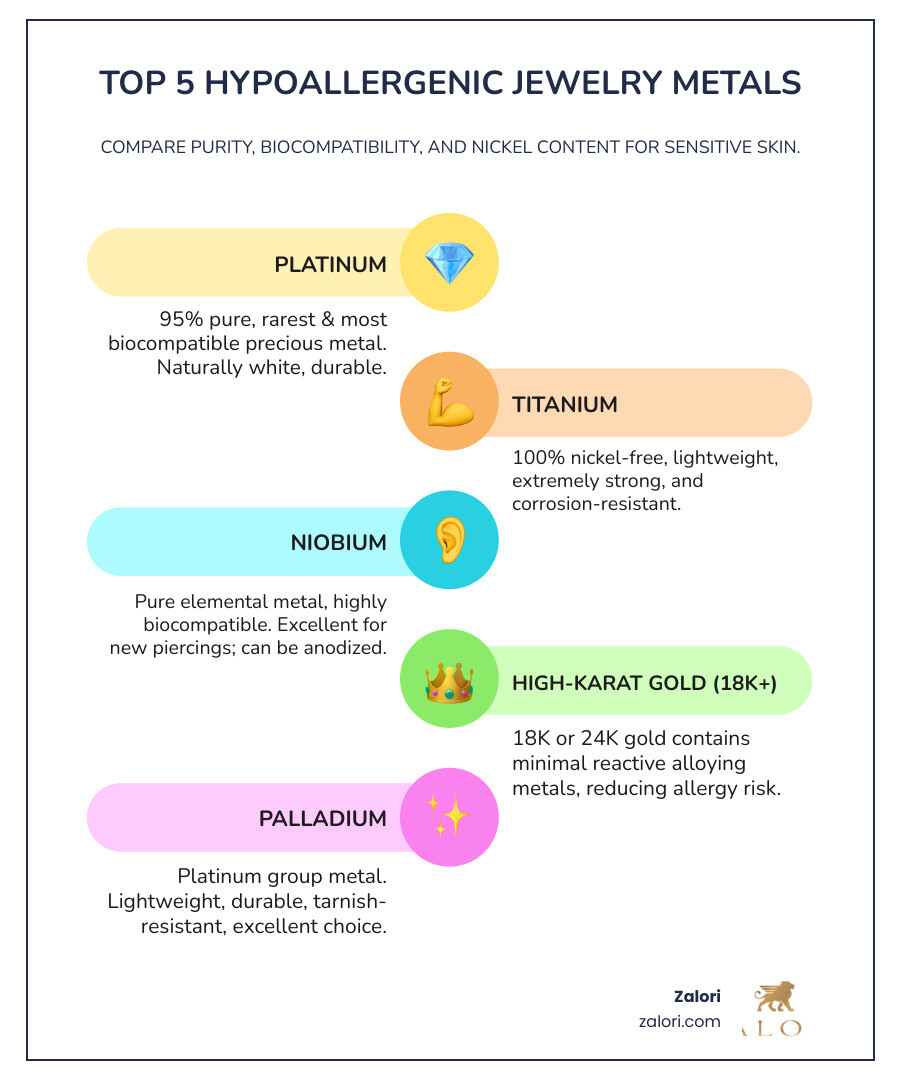
- Platinum - 95% pure, most hypoallergenic precious metal
- Titanium - 100% nickel-free, biocompatible, lightweight
- Niobium - Pure elemental metal, excellent for sensitive ears
- High-Karat Gold - 18K+ contains less reactive alloy metals
- Sterling Silver - 925 silver with copper (nickel-free versions)
- Rhodium Plating - Protective barrier over other metals
- Palladium - Platinum family metal, durable and tarnish-resistant
Approximately 15% of the population is allergic to nickel, the most common cause of jewelry-related skin reactions. Women are particularly affected, with around 15% experiencing nickel sensitivity compared to just 2% of men.
Reactions range from mild itching and redness to painful blisters and dry patches, often worsened by sweat and humidity. Since "hypoallergenic" isn't a regulated term in jewelry, understanding metal composition is more important than marketing claims. Pure metals like platinum and titanium are safest, while alloys depend on their components.
I'm Eric Roach Zalori, a serial venture capitalist who launched Summit Metals Holdings after recognizing the market need for authentic, high-quality jewelry. My experience has shown me that choosing the right hypoallergenic metal is the key to comfortable, irritation-free wear.
Handy hypoallergenic metal jewelry terms:
Understanding Metal Allergies: The Nickel Problem
If you've ever gotten red, itchy earlobes from your favorite earrings, you've likely experienced a nickel allergy. This is a common issue, affecting about 15% of the population, with women being more susceptible due to more frequent jewelry use.
Nickel is a troublemaker because it's often added to metal alloys for strength and shine, hiding in everything from costume jewelry to some types of white gold and stainless steel.
When nickel touches your skin, especially with sweat or in humidity, it can leach out and trigger an immune response called contact dermatitis. Symptoms include itching, redness, small bumps or blisters, and dry, flaky skin.
Certain pieces of jewelry are notorious troublemakers. Earrings are common culprits because the posts have intimate skin contact, a struggle many with sensitive ears know well.
Necklaces can cause reactions on the neck and chest, while rings can trap moisture, making them problematic for long-term wear.
Sweat and humidity accelerate these reactions, as moisture helps metal ions penetrate your skin. This explains why jewelry might be fine in winter but cause issues in the summer.
Understanding the nickel problem is the first step toward choosing irritation-free hypoallergenic metal jewelry that keeps your skin happy.
For those curious about the science behind nickel's properties, you can explore more scientific information on Nickel to understand why this metal behaves the way it does.
The 7 Best Metals for Hypoallergenic Jewelry
Choosing the right metal is key for sensitive skin. At Zalori, we've selected the best metals that are least likely to cause allergic reactions. These champions of hypoallergenic metal jewelry offer a blend of beauty, durability, and skin-friendliness.
Here's a quick comparison of our top picks:
| Metal | Purity (Typical) | Durability | Appearance | Typical Cost (Relative) | Key Hypoallergenic Feature |
|---|---|---|---|---|---|
| Platinum | 95%+ | Excellent | Lustrous White | Very High | Naturally inert, high purity, no common allergens |
| Titanium | 100% (Pure) | Excellent | Grayish-White/Can be colored | Moderate | Completely nickel-free, biocompatible, inert |
| Niobium | 100% (Pure) | Good | Grayish/Can be colored | Moderate-High | Pure elemental metal, highly biocompatible, inert |
| High-Karat Gold | 18K (75%), 24K (100%) | Good-Excellent | Yellow/Rose/White | High | Higher pure gold content, less reactive alloys |
| Sterling Silver | 92.5% | Good | Bright White | Low-Moderate | Nickel-free alloy (with copper), widely available |
| Rhodium Plating | Plating | Good (Temporary) | Bright White/Silver | Low (as plating) | Inert barrier over other metals, no allergens |
| Palladium | 95% | Excellent | Bright White | High | Platinum group metal, inert, durable, tarnish-resistant |
1. Platinum
Platinum reigns supreme in hypoallergenic metal jewelry. As one of the rarest and most precious metals, its exceptional purity (typically 95% or higher) makes it incredibly inert and unlikely to react with skin. Its biocompatibility is proven by its use in medical implants.
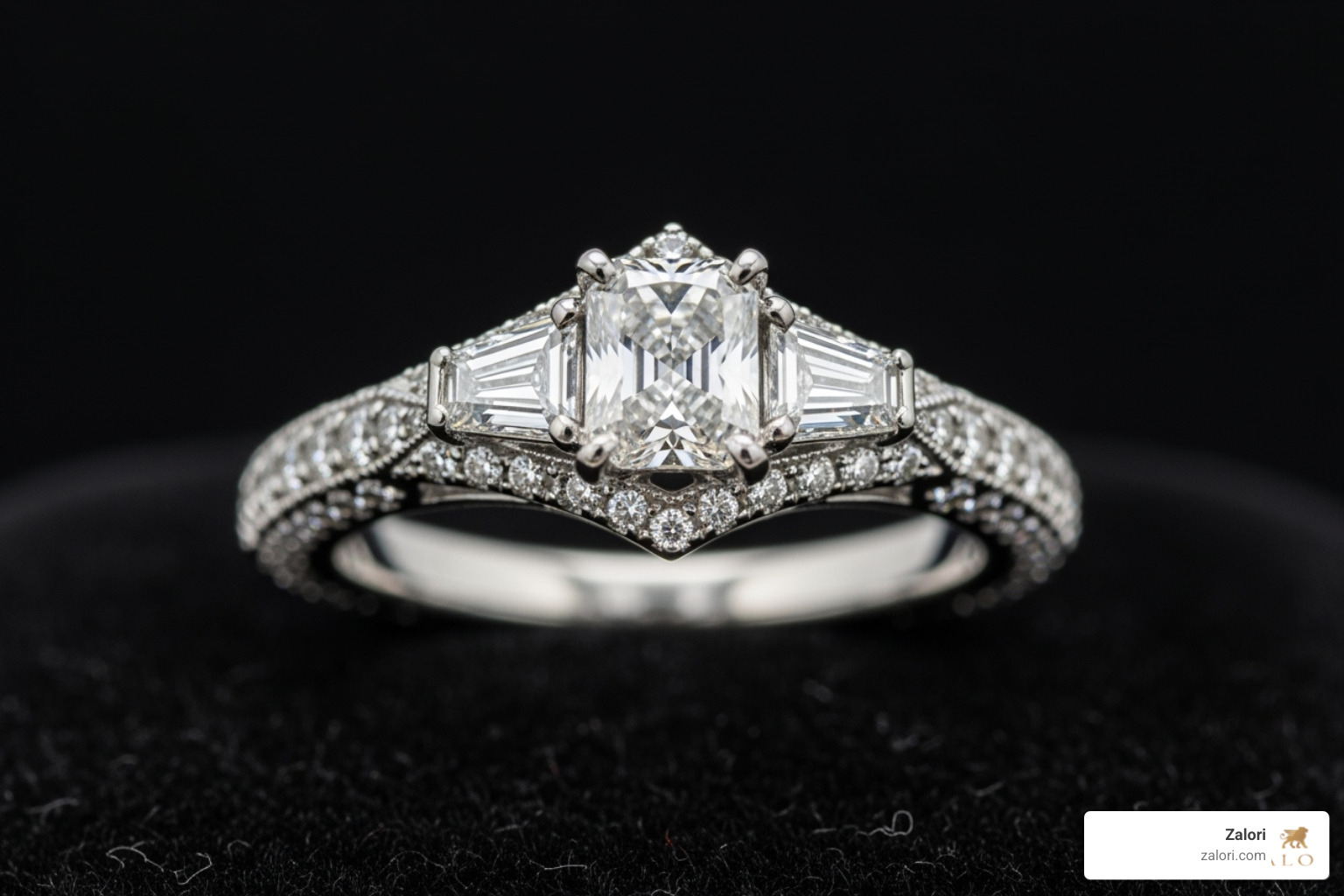
Platinum has a natural, lustrous white sheen that never fades or needs re-plating. It is dense, durable, and resists scratches well. While a significant investment, its longevity makes it ideal for lifetime pieces like engagement rings and wedding bands. For more scientific insights into this remarkable element, you can explore Scientific information on Platinum.
2. Titanium
Titanium is an outstanding choice for a completely nickel-free and durable hypoallergenic metal jewelry option. This modern, 100% pure metal is a favorite for extreme sensitivities and is biocompatible enough for surgical implants.
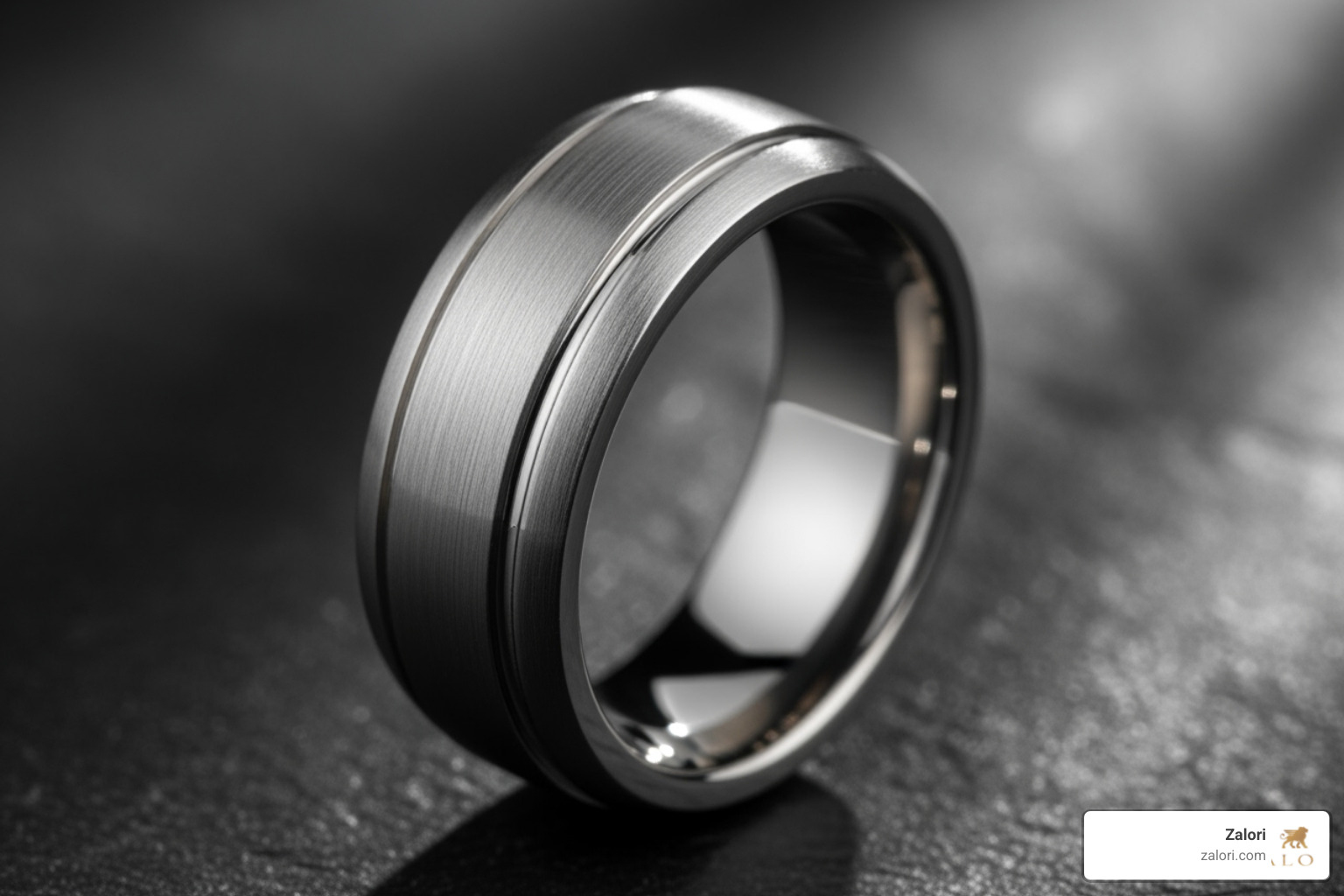
What sets titanium apart is its incredible strength combined with surprising lightness—it's stronger than steel but weighs about half as much, making it very comfortable. It is also highly resistant to corrosion and scratches. While not a traditional precious metal, its affordability and exceptional properties make it a smart, stylish alternative.
3. Niobium
Niobium is another fantastic, less common option for hypoallergenic metal jewelry. As a pure elemental metal, it contains no irritants, making it incredibly biocompatible and safe for new piercings or extreme sensitivities. A captivating feature is its ability to be anodized into a spectrum of vibrant colors without dyes or plating; the color is integral to the metal and won't chip or fade. While softer than titanium, niobium has a smoother finish, making it very gentle on the skin. Its inert nature and unique aesthetic make it a great find for comfortable and colorful jewelry.
4. Gold: Understanding Karats for Hypoallergenic Metal Jewelry
Gold is a classic choice, but its hypoallergenic properties depend on its purity (karats). Pure 24K gold is hypoallergenic but too soft for most jewelry. To increase durability, gold is alloyed with other metals, which affects its hypoallergenic quality.
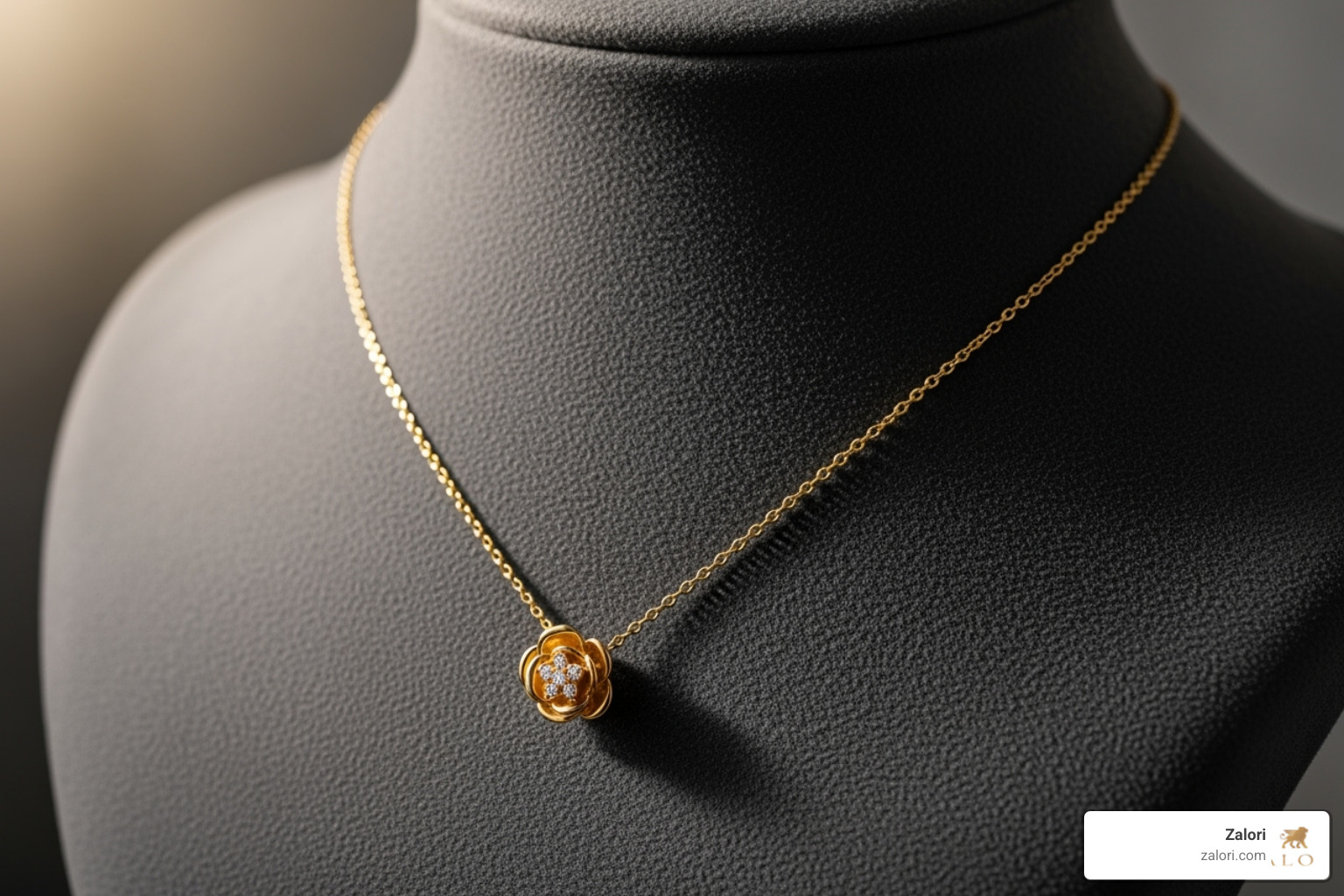
- 18K Gold: Contains 75% pure gold. Generally well-tolerated by sensitive skin if alloyed with nickel-free metals.
- 14K Gold: Contains 58.3% pure gold. A higher proportion of alloy metals increases the chance of nickel being present.
The alloy also determines the gold's color:
- Yellow Gold: Typically alloyed with copper and zinc, making it a safe choice, especially at higher karats.
- Rose Gold: Gets its pink hue from a higher copper content. Copper allergies are rare, but some alloys may contain traces of nickel.
- White Gold: This can be tricky. Traditionally alloyed with nickel, many modern white gold pieces now use hypoallergenic palladium or platinum instead. It is almost always rhodium-plated, providing an additional protective barrier.
For truly hypoallergenic metal jewelry, choose 18K gold or higher and verify that white gold is alloyed with palladium or platinum, not nickel. For a comprehensive guide, see 14K vs. 18K vs. 24K Gold: The No-Regrets Buying Guide for Everyday Jewelry.
5. Sterling Silver: A Classic Choice for Hypoallergenic Metal Jewelry
Sterling silver is a beautiful and affordable option for hypoallergenic metal jewelry when composed correctly. The "925" stamp signifies 92.5% pure silver. Its hypoallergenic nature depends on the remaining 7.5% alloy. In high-quality sterling silver, this is copper, which is safe for most people. However, lower-grade silver may use nickel, so always look for "nickel-free" claims if you have a sensitivity. Sterling silver's main drawback is that it tarnishes, a natural oxidation process. This is harmless and can be cleaned. Many pieces are rhodium-plated to prevent tarnish and add an extra hypoallergenic layer. For more on silver, explore Shine Bright: Everything You Need to Know About Handmade Silver Jewelry.
6. Rhodium Plating
Rhodium, a hard and bright member of the platinum family, plays a vital role in hypoallergenic metal jewelry as a plating. A thin layer is often applied to white gold and sterling silver for a brilliant white finish and a protective barrier. Rhodium itself is hypoallergenic and non-reactive, creating a shield between your skin and potentially irritating base metals like nickel. However, this plating is not permanent and will wear off over time, possibly exposing the underlying metal. Fortunately, a jeweler can easily re-plate the piece, restoring its beauty and hypoallergenic properties. Learn more at What is Rhodium Plating? Everything Zalori Shoppers Need to Know.
7. Palladium
Palladium is a lesser-known but impressive platinum-group metal, making it an excellent choice for hypoallergenic metal jewelry. It's a great alternative for those who like white metals but find platinum too heavy or expensive. Naturally white, palladium doesn't require plating and won't fade. It is durable, lightweight, and resistant to tarnish. Used at high purity levels (often 95%), allergic reactions are extremely rare. Its combination of safety, durability, and appearance makes it a fantastic choice for fine jewelry.
Metals to Avoid for Sensitive Skin
Knowing which metals to avoid is as important as knowing which are safe. Steer clear of these common irritants for sensitive skin.
Nickel: The biggest culprit, often hidden in alloys, including some "surgical" stainless steel. Avoid it completely if you have sensitive skin.
Brass: This copper and zinc alloy can leave harmless but unsightly green marks on your skin and may trigger reactions.
Copper: While rarely a true allergen, it's famous for leaving a green tint on skin as it oxidizes with sweat and oils.
Costume Jewelry & Low-Grade Metals: These are often a grab bag of irritants, containing high levels of nickel and sometimes lead or cadmium.
Plated Jewelry (Unknown Base): A beautiful plating can wear thin, exposing a mystery base metal underneath that could be brass or nickel.
Stainless Steel: Many grades contain nickel. While tightly bound, it can still cause reactions in highly sensitive individuals. Medical-grade versions like 316L are better, but titanium or niobium remain safer choices.
Bronze & Tungsten Carbide: Bronze can discolor skin like copper, and some tungsten carbide uses a nickel binder.
Focusing on skin-friendly options will help you shop with confidence for truly hypoallergenic metal jewelry.
Your Guide to Buying and Caring for Hypoallergenic Metal Jewelry
Shopping for hypoallergenic metal jewelry is easier when you know what to look for.
Identifying Truly Hypoallergenic Pieces
The term "hypoallergenic" isn't regulated in the jewelry industry, so you can't always trust the label. Instead, use these reliable methods:
Ask Your Jeweler: A reputable jeweler should know the exact composition of their pieces. Ask specifically about alloys in gold and silver.
Look for Purity Stamps: These small marks indicate metal content. Look for "PLAT" or "950" for platinum, "18K" or "14K" for gold, and "925" for sterling silver (confirm it's nickel-free).
Choose Reputable Sources: At Zalori, our reputation is built on high-quality, authentic materials. We believe in transparency, so you can shop with confidence.
Care Tips for Your Hypoallergenic Metal Jewelry
Proper care is crucial for maintaining your jewelry's hypoallergenic properties.
Regular Cleaning: Gently wash with mild soap and water to remove oils and residue that can trap irritants. Our Jewelry Care 101: Your Complete Jewelry Care Guide for Gold, Sterling Silver has detailed instructions.
Proper Storage: Store pieces in a clean, dry place, ideally in individual pouches to prevent scratching and tarnishing.
Avoid Harsh Chemicals: Remove jewelry before swimming, cleaning, or using perfumes and hairsprays, which can damage metals and plating.
Non-Metal Alternatives
For extreme sensitivities, consider beautiful non-metal options:
Pearls: These organic gems are naturally metal-free and offer timeless beauty.
Leather: A stylish and comfortable choice. Ensure any metal clasps are made from a hypoallergenic metal.
At Zalori, we believe luxury should be comfortable. Find your perfect piece in our collections and wear it with joy.
Frequently Asked Questions about Hypoallergenic Jewelry
Here are answers to the most common questions we receive about hypoallergenic metal jewelry.
Is sterling silver always hypoallergenic?
Not always, but it can be. High-quality 925 sterling silver is 92.5% pure silver alloyed with 7.5% copper, which is safe for most people. The problem arises when manufacturers use nickel instead of copper in the alloy. Always look for a "925" stamp and a "nickel-free" claim. Be wary of silver-plated jewelry, as the base metal underneath may contain nickel that gets exposed as the plating wears off.
Does hypoallergenic jewelry tarnish?
It depends on the metal. Being hypoallergenic doesn't mean a metal is tarnish-proof.
- Platinum and titanium are champions here, as they are highly resistant to tarnish.
- Sterling silver, while hypoallergenic when made correctly, will naturally tarnish over time. This is a harmless surface reaction that is easily cleaned. Our guide on How to Clean Sterling Silver Jewelry shows you how.
- Gold alloys (14K, 18K) are generally tarnish-resistant.
- Rhodium plating does not tarnish, but it can wear away, exposing the underlying metal which might.
What is the best metal for extremely sensitive ears?
For extremely sensitive ears, choose the purest and most inert options, which are trusted for medical implants.
- Titanium: 100% nickel-free and completely biocompatible.
- Niobium: A pure elemental metal that is even smoother than titanium at a microscopic level, making it exceptionally gentle, especially for new piercings.
- High-Karat Gold: 18K or higher has less room for potentially irritating alloy metals. Ensure any white gold is palladium-based, not nickel.
- Platinum: The most inert precious metal, it's virtually guaranteed not to cause a reaction, though it comes at a higher price.
These metals are designed for extended, safe contact with the body. For specific styles, see our guide on Picking the Right Hypoallergenic Leverback Earrings.
Conclusion: Adorn Yourself with Confidence and Comfort
Finding the perfect hypoallergenic metal jewelry doesn't require compromise. Armed with knowledge, you can shop with confidence for pieces that bring joy, not irritation.
The seven metals we've explored—platinum, titanium, niobium, high-karat gold, sterling silver, rhodium plating, and palladium—each offer a unique blend of beauty, durability, and skin-friendliness.
This knowledge empowers you to move from a cautious shopper to a confident jewelry lover. Investing in quality hypoallergenic jewelry is an investment in yourself, choosing pieces designed for decades of comfortable wear.
At Zalori, our commitment is to exceptional craftsmanship and high-quality, authentic materials, ensuring luxury feels as good as it looks. Comfort should never be negotiable.
By making informed choices about hypoallergenic metal jewelry, you are choosing to adorn yourself with pieces that respect both your body and your style.
Ready to explore your options? Explore our guide to the best jewelry options for sensitive skin and find how beautiful and comfortable your jewelry experience can be.
Related Articles
View all