No More Itch, Just Sparkle: Unmasking Hypoallergenic Metals for Your Bling
Your Guide to Irritation-Free Jewelry
Hypoallergenic metals for jewelry are metals unlikely to cause allergic reactions. If you're tired of itchy, red skin from your favorite pieces, this guide will help you identify which metals are safe.
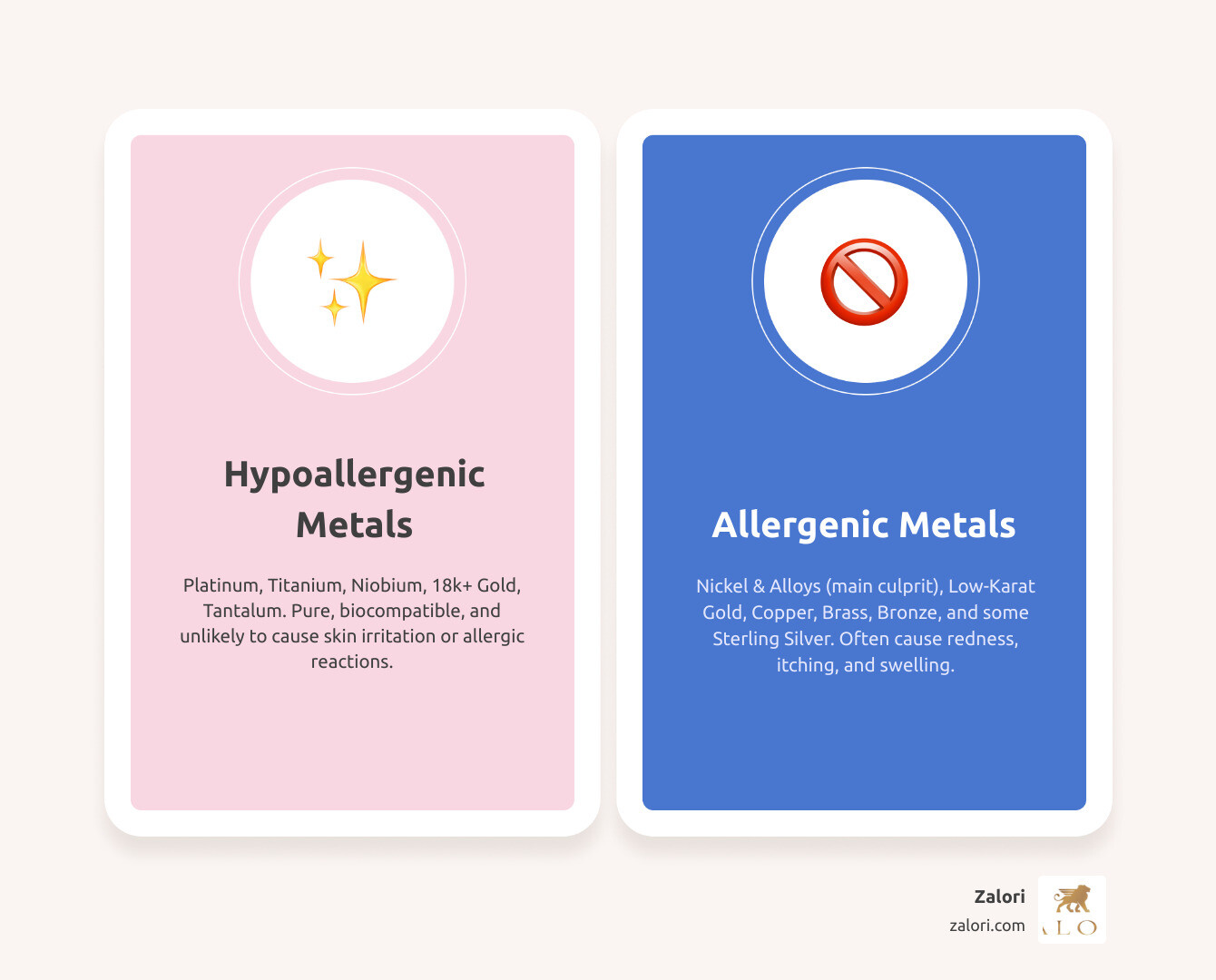
The safest hypoallergenic metals for jewelry are:
- Platinum - 95% pure, naturally nickel-free, highly durable
- Titanium - 99% pure, lightweight, biocompatible
- Niobium - Pure element, highly inert, colorful options
- 18k+ Gold - High purity with nickel-free alloys
- Tantalum - 99% pure, rare, extremely strong
Metals to avoid if you have sensitive skin:
- Nickel and nickel alloys (the #1 allergen)
- Low-karat gold (14k or less)
- Copper, brass, and bronze
- Sterling silver with nickel content
According to the National Institute of Health, metal allergies can cause contact dermatitis—uncomfortable redness and itching where jewelry touches your skin. Nickel is the most common culprit, affecting around 10% of the US population, with higher rates in women (15%) than men (2%).
This reaction often happens because many jewelry pieces, from costume to high-end, use nickel-containing alloys to reduce costs. Even metals like sterling silver (7.5% copper) or 18k gold (25% other metals) can contain hidden allergens.
This guide will walk you through everything you need to know about hypoallergenic metals for jewelry, helping you find quality pieces that won't leave you scratching.
I'm Eric Roach Zalori, founder of Zalori.com and a venture capitalist who launched Summit Metals Holdings, LLC. I created Zalori to address the lack of quality in the jewelry market. From years of experience in precious metals, we provide authentic, high-quality jewelry using only hypoallergenic metals for jewelry, ensuring luxury doesn't compromise comfort or health. This guide reflects our commitment to craftsmanship that respects your skin and style.
What is a Metal Allergy and Why Does My Jewelry Itch?
If you've ever developed an itchy, red rash where a new piece of jewelry touched your skin, you've likely experienced contact dermatitis. This is a skin reaction to certain metals in your jewelry.
The telltale signs are hard to miss:
- Visible redness where the jewelry sits
- An annoying itch
- Swelling that feels tender and puffy
- In serious cases, tiny blisters or dry, flaky patches
According to the National Institute of Health, an individual allergic to metals can experience contact dermatitis, with symptoms appearing almost immediately or up to 48 hours later.
The most common cause is nickel, the world's number one jewelry allergen. The Cleveland Clinic estimates that about 10% of Americans have a nickel sensitivity, with rates higher for women (15%) than men (2%). Nickel is sneaky, appearing not just in jewelry but also in belt buckles, buttons, and keys. Once you develop a sensitivity, you may notice reactions to many everyday items.
Earrings and rings are the usual troublemakers due to their constant, direct skin contact. Earlobes can become especially reactive. If this is a problem for you, our guide Why Do My Ears Hurt? A Complete Guide to Hypoallergenic Jewelry offers more specific advice.
If you have a rash right now, remove the jewelry immediately. A cold compress can reduce swelling, and an over-the-counter cream with hydrocortisone or calamine lotion can soothe the irritation. However, the best solution is prevention by choosing hypoallergenic metals for jewelry from the start.
The A-List: The Best Hypoallergenic Metals for Jewelry
These are the metals that won't betray you with itchy, red skin. What makes them special is their purity and inertness. They are biocompatible, meaning they don't react with your skin's chemistry. This is why many are also used in medical implants—if they're safe enough to go inside your body, they're safe to wear on it.
For a deeper dive, check out our article The 7 Best Hypoallergenic Metals Compared.
Platinum (Pt)
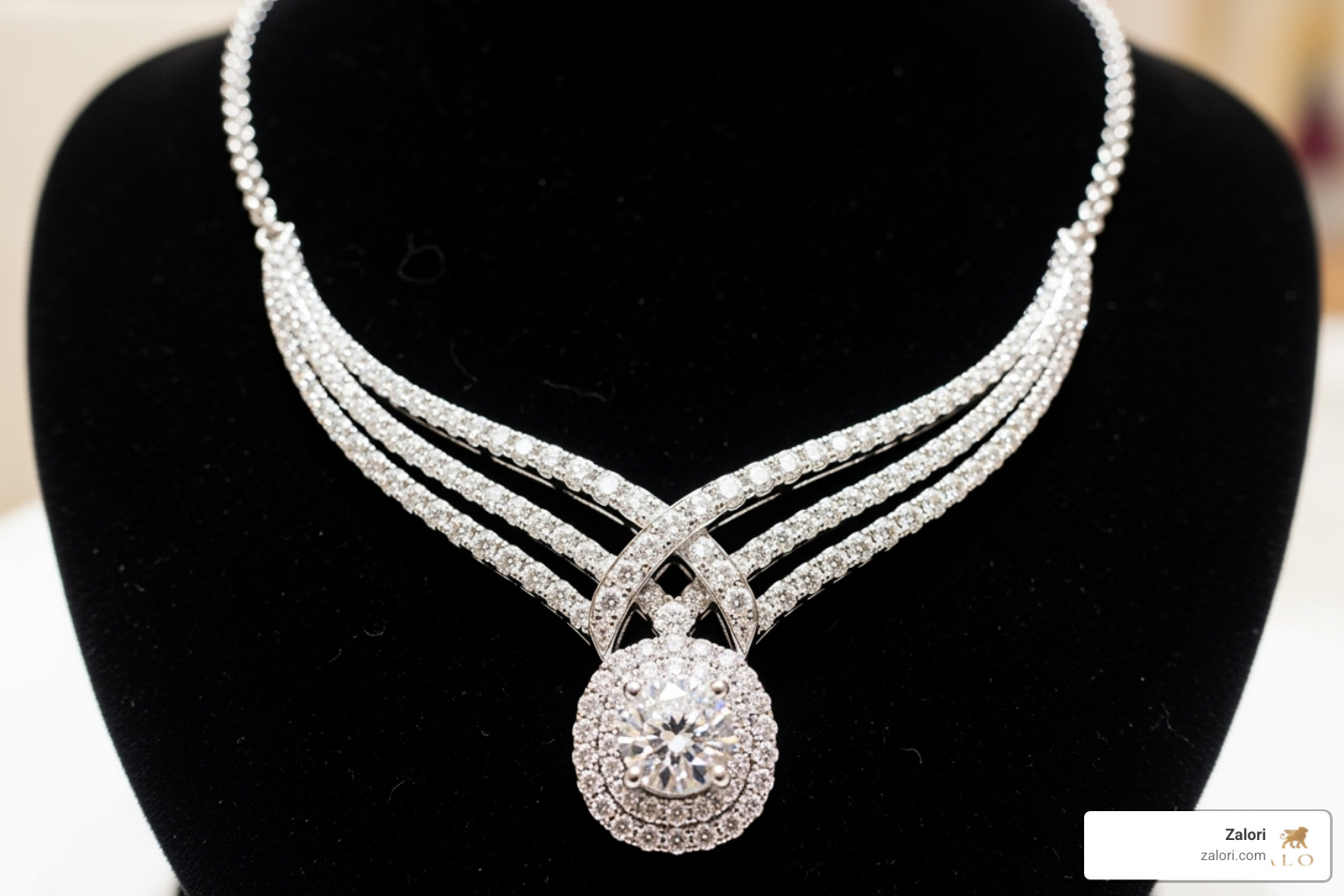
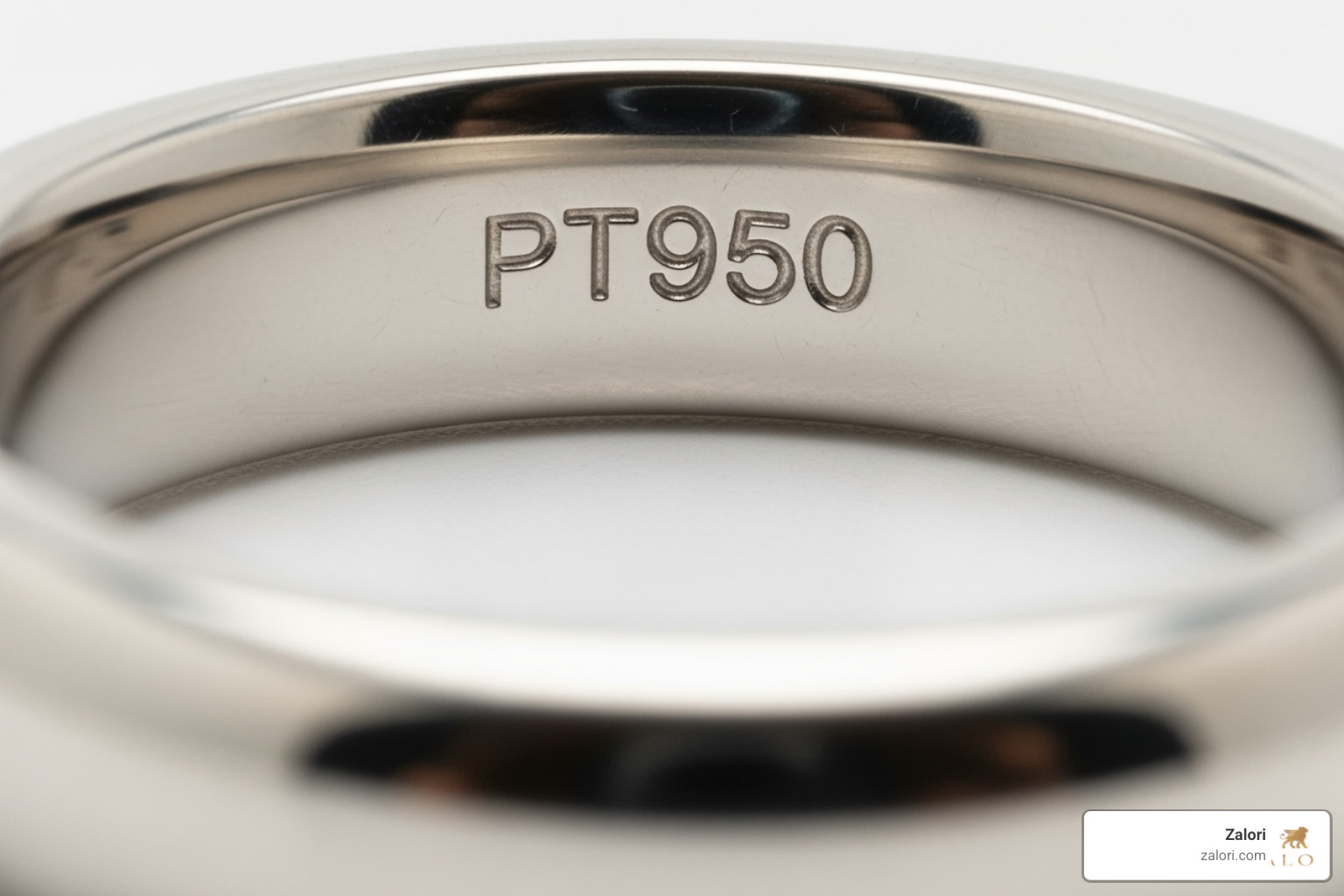
Platinum is the gold standard for sensitive skin. Typically 95% pure (stamped PT950), it's alloyed with other hypoallergenic metals like iridium, never nickel. Platinum is dense, incredibly durable, and resistant to tarnish, making it ideal for everyday wear like wedding and engagement rings. Its combination of purity and strength is an investment in both style and comfort. For more on why platinum ranks so highly, explore Best Hypoallergenic Jewelry Metals for Sensitive Skin.
Titanium (Ti)
Often called "implant-grade," titanium is the same material used in surgical implants, making it exceptionally body-friendly. It's 100% nickel-free, non-reactive, and about three times stronger than steel while weighing 40% less. Titanium is also resistant to corrosion and tarnish from sweat or perfumes. It's a game-changer for earrings, as those with extreme sensitivities often find it's the only metal they can wear comfortably. Learn more in our guide: Titanium Earrings for Sensitive Ears and Happy Styles.
Niobium (Nb)
Niobium is a pure, highly biocompatible element also used in medical implants, making it a safe haven for severe metal sensitivities. Its standout feature is its ability to be anodized into a rainbow of vibrant colors—blues, purples, and greens—without dyes or plating. The color is part of the metal itself and won't wear off or cause reactions, making it popular for body piercings. Learn more about safe piercing materials in Beyond the Bling: Choosing Hypoallergenic Piercing Metals.
High-Karat Gold (Au)
Pure 24k gold is hypoallergenic but too soft for most jewelry. That's why it's alloyed with other metals for durability. For sensitive skin, 18k gold (75% pure gold) is a great choice, provided the alloys are nickel-free. This is especially important for white gold, which traditionally uses nickel for its color. Always look for modern, nickel-free white gold that uses palladium instead. Rose gold contains copper, which most people tolerate but can be an issue for those with extreme sensitivities. For more guidance, visit Sensitive Skin: Best Jewelry Metal Options.
Tantalum (Ta)
Tantalum is a rare, dense metal with a distinctive dark gray, gunmetal appearance. It's incredibly durable, shatterproof, and at 99% pure, it's highly biocompatible and won't react with your skin. Its modern look and exceptional safety profile make it an excellent choice for wedding bands and everyday rings, especially for those who prefer a contemporary aesthetic but require absolute safety.
The Usual Suspects: Common Jewelry Metals That Cause Irritation
Understanding which metals to avoid is as important as knowing which are safe. Many mass-produced jewelry pieces use alloys with common irritants to cut costs. An alloy is a mixture of metals, and while useful, it can introduce allergens. Even a protective layer of plating can wear off over time, exposing the reactive base metal beneath.
Nickel and Nickel Alloys
Nickel is the most common metal allergen. It's cheap and strong, making it a popular choice for manufacturers of costume jewelry, buttons, and belt buckles. It can also be found in stainless steel (around 12% nickel) and some gold alloys. When nickel touches your skin, it can leach ions that trigger an immune response, causing redness and itching for the 10-15% of people with a sensitivity.
Low-Karat Gold and Certain Gold Alloys
While high-karat gold is safe, 14k gold or less can be problematic. 14k gold is only 58.3% pure, leaving 41.7% for other metals, which often includes nickel. White gold traditionally uses nickel for its color, so those with sensitive skin should seek nickel-free white gold made with palladium. Rose gold is alloyed with copper, which is less allergenic than nickel but can still cause reactions in some people.
Copper, Brass, and Bronze
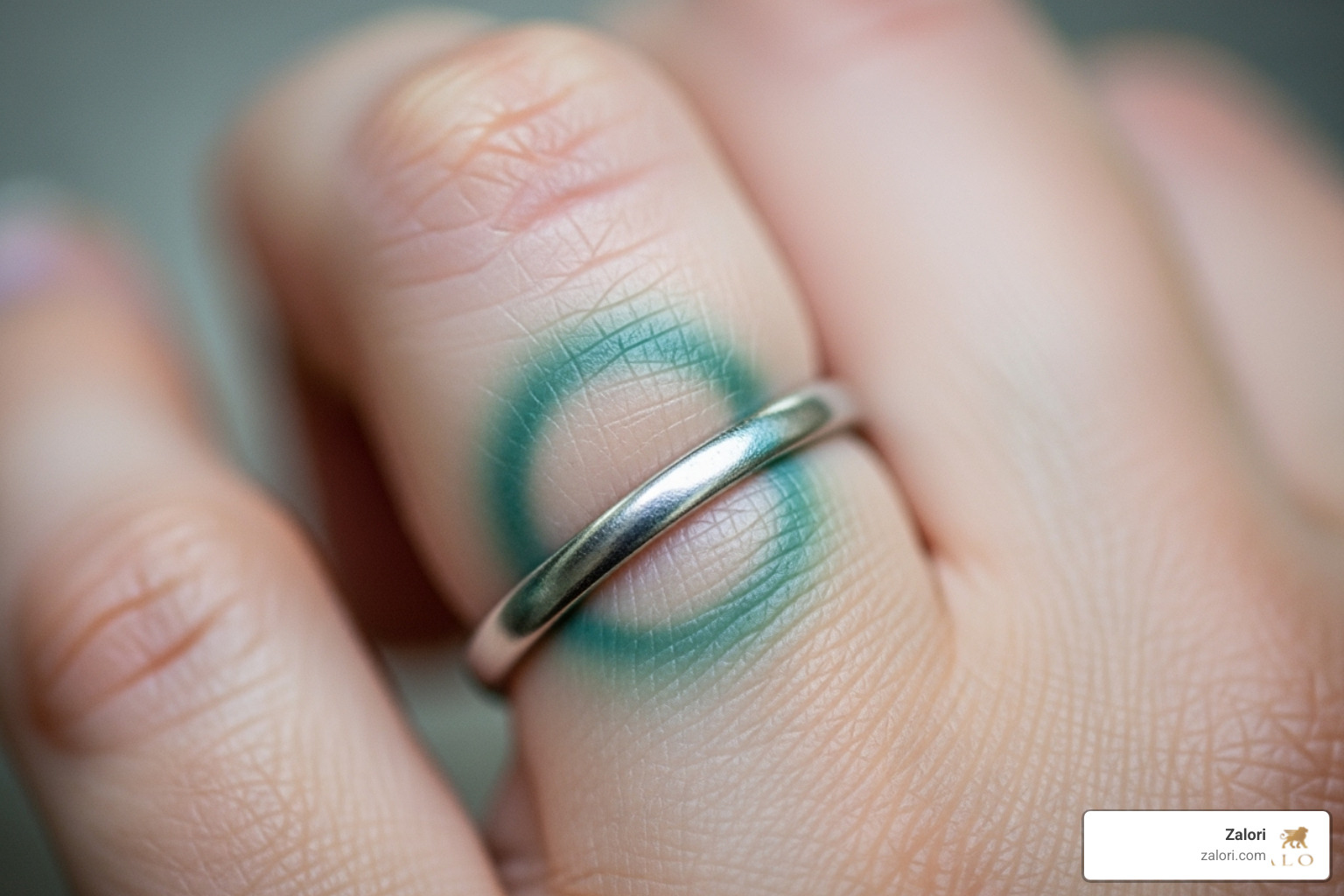
These metals are common in fashion jewelry and are known for turning skin green. This harmless oxidation is a chemical reaction between the metal and your skin's acids. Brass (copper and zinc) and bronze (copper and tin) are often used as base metals for plating. Once the plating wears off, these metals can cause irritation or the telltale green stain.
Sterling Silver (925) - A Special Case
Sterling silver is 92.5% pure silver and 7.5% other metals, usually copper. Pure silver is hypoallergenic, and for most people, the copper alloy is not a problem. However, some manufacturers may add nickel to this alloy. If you have sensitive skin, always look for sterling silver labeled 'nickel-free.' While it will still tarnish due to the copper content, nickel-free sterling silver is a comfortable and beautiful option for many. For a comprehensive look, check out our guide Unmasking the Metals: Your Guide to Irritation-Free Jewelry.
A Savvy Shopper's Guide to Irritation-Free Jewelry
Knowing which metals are safe is the first step; finding them is the next. With a few smart strategies, you can confidently choose beautiful, irritation-free pieces. For a complete roadmap, check out our guide to 5 Keys to the Perfect Jewelry for Sensitive Skin.
How to Identify Hypoallergenic Metals for Jewelry
Become a jewelry detective. Start by looking for quality marks stamped on the piece: PT950 for 95% platinum, 18k for 75% gold, or 925 for sterling silver. These marks confirm the primary metal but don't reveal the alloys. Always ask the jeweler, "Is this nickel-free?" or "What is the sterling silver alloyed with?" The terms "hypoallergenic" and "nickel-free" are good signs, but since they aren't strictly regulated, it's best to confirm the exact metal composition with the seller.
The Role of Plating in Finding Hypoallergenic Metals for Jewelry
Plating can be a temporary solution. Rhodium, a hypoallergenic member of the platinum family, is often used to plate white gold and sterling silver. It provides a protective barrier between your skin and the base metal. However, plating wears away over time, especially on high-contact items like rings. Once it's gone, your skin is exposed to the metal underneath, which could contain allergens. This is why the base metal always matters. A piece is only as good as what's underneath the plating. Gold vermeil (a thick layer of gold over sterling silver) can be a good option, but confirm the underlying silver is nickel-free.
Where to Find Quality Hypoallergenic Pieces
Shop at reputable jewelers and specialty online stores that focus on jewelry for sensitive skin. These sellers are transparent about materials and curate collections of titanium, niobium, and nickel-free pieces. Always read customer reviews and check the return policy.
At Zalori, our approach is built on quality and authenticity. We use only high-quality, hypoallergenic metals for jewelry, starting with nickel-free sterling silver. We believe luxury shouldn't compromise comfort, and our uncompromising standards ensure our jewelry starts with exceptional, skin-friendly materials.
For those with sensitive ears, choosing the right earrings is crucial. Our guide can help: Sensitive Ears Rejoice: Picking the Right Hypoallergenic Leverback Earrings.
Frequently Asked Questions About Hypoallergenic Jewelry
Navigating hypoallergenic metals for jewelry can bring up questions. Here are answers to some common ones.
Is surgical stainless steel truly hypoallergenic?
Surgical stainless steel (316L) is often considered safe and is a step up from regular stainless steel. However, it contains a small amount of nickel (11-12%). While this nickel is tightly bound and may not affect those with mild sensitivities, it is not 100% nickel-free. For severe nickel allergies, titanium and niobium are the safest choices as they are completely nickel-free.
Can I develop a metal allergy later in life?
Yes. Metal allergies, especially to nickel, can develop at any age from prolonged or repeated exposure. Your immune system can become sensitized over time, and once an allergy develops, it is typically permanent. This is why it's wise to choose high-quality metals even if you don't currently have sensitivities.
Does hypoallergenic jewelry tarnish?
It depends on the metal:
- Platinum, titanium, niobium, and tantalum are highly resistant to tarnish and corrosion.
- High-karat gold (18k and above) is also highly tarnish-resistant.
- Nickel-free sterling silver will tarnish over time. This is a natural reaction of its copper alloy with the air, not a sign of poor quality. The shine can be easily restored with a polishing cloth.
Adorn Yourself with Confidence and Comfort
You now have the knowledge to wear what you love without the itch, redness, or irritation. The days of choosing between beautiful jewelry and comfortable skin are over.
Remember to look for the best hypoallergenic metals for jewelry: platinum for purity and strength, titanium for lightweight durability, niobium for colorful and safe options, high-karat gold (18k+) with nickel-free alloys, and tantalum for a modern, distinctive edge.
Real luxury is jewelry that feels like a natural extension of you, not an irritant. At Zalori, we've built our philosophy on this principle. As the founder of Zalori.com, I've seen the industry compromise on materials. We refuse to do so. Every piece in our collection starts with carefully selected, high-quality, skin-friendly metals because exceptional craftsmanship begins with authentic materials. Choosing Zalori means choosing jewelry crafted to be worn and loved.
Now you can listen to what your skin has been telling you. You have the tools to make choices that honor both beauty and comfort.
Ready to experience jewelry that feels as good as it looks? Explore our full collection of luxury jewelry where quality and comfort meet. Find your next favorite piece by finding our men's necklaces or browsing our women's necklaces.
Related Articles
View all