Beyond the Bling: Essential Tips for White Gold Engagement Ring Maintenance
Why Proper White Gold Care Matters
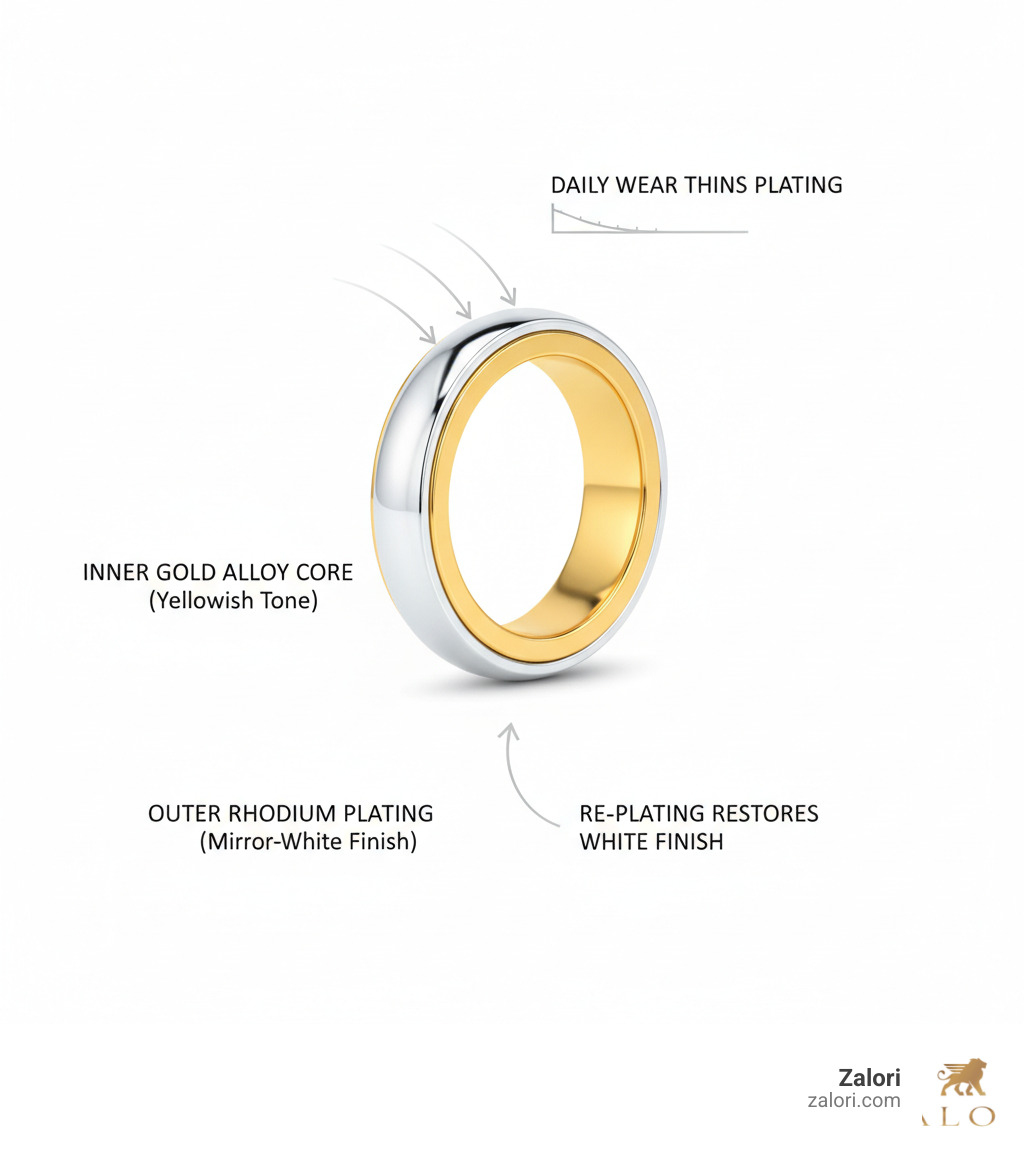
Your white gold engagement ring is a stunning symbol of style and elegance, but its mirror-like finish won't last forever without proper attention. The reality is that white gold is an alloy of yellow gold mixed with lighter metals, which is then coated with a thin layer of rhodium plating for its brilliant white shine. This plating wears down from everyday contact, and a neglected ring can gradually turn yellowish and dull.
The good news is that maintaining your ring is simple. How to care for white gold engagement ring maintenance comes down to three essential practices:
- Daily Prevention: Remove your ring before swimming, cleaning, exercising, or applying lotions. Put it on last when getting ready and take it off first.
- Weekly Home Cleaning: Soak your ring in warm water with mild dish soap for 20-30 minutes, gently scrub with a soft toothbrush, rinse, and dry with a lint-free cloth.
- Annual Professional Service: Have a jeweler inspect, clean, and re-plate your ring with rhodium every 1-2 years to restore its bright finish and check for damage.
Consistent care protects your investment, ensures the structural integrity that keeps your stone secure, and keeps your ring sparkling for decades. This guide will show you exactly what to do—and what to avoid—to keep your ring looking as brilliant as the day you first wore it.
Understanding Your White Gold Ring: The Science Behind the Shine
Your white gold ring is a marvel of metallurgy. To create it, pure yellow gold is mixed with lighter-colored metals like palladium, silver, or nickel. This alloying process creates a stronger metal with a pale, silvery tone that often retains a subtle yellowish tint. The gold content is indicated by its karat weight: 14k white gold is 58.3% pure gold, while 18k white gold is 75% pure gold. Alloys with palladium are prized for being naturally whiter and offering hypoallergenic properties. For more on this, see our guide to The 7 Best Hypoallergenic Metals Compared.
What is Rhodium Plating and Why is it Essential?
To achieve the brilliant, mirror-like finish, white gold is plated with rhodium. Rhodium plating is a micro-thin layer of a rare, silvery-white metal from the platinum family. It's exceptionally hard, tarnish-resistant, and has a bright white color that makes diamonds pop. You can learn more in our guide, What is Rhodium Plating? Everything Zalori Shoppers Need to Know.
This plating serves three key purposes:
- Appearance: It provides the crisp, pure white finish associated with white gold.
- Durability: It adds a layer of scratch resistance against minor scuffs.
- Protection: It is completely tarnish-resistant.
Why White Gold Loses Its Luster
Over time, even the best-kept ring will lose some sparkle. This is normal and understanding the causes is the first step in prevention.
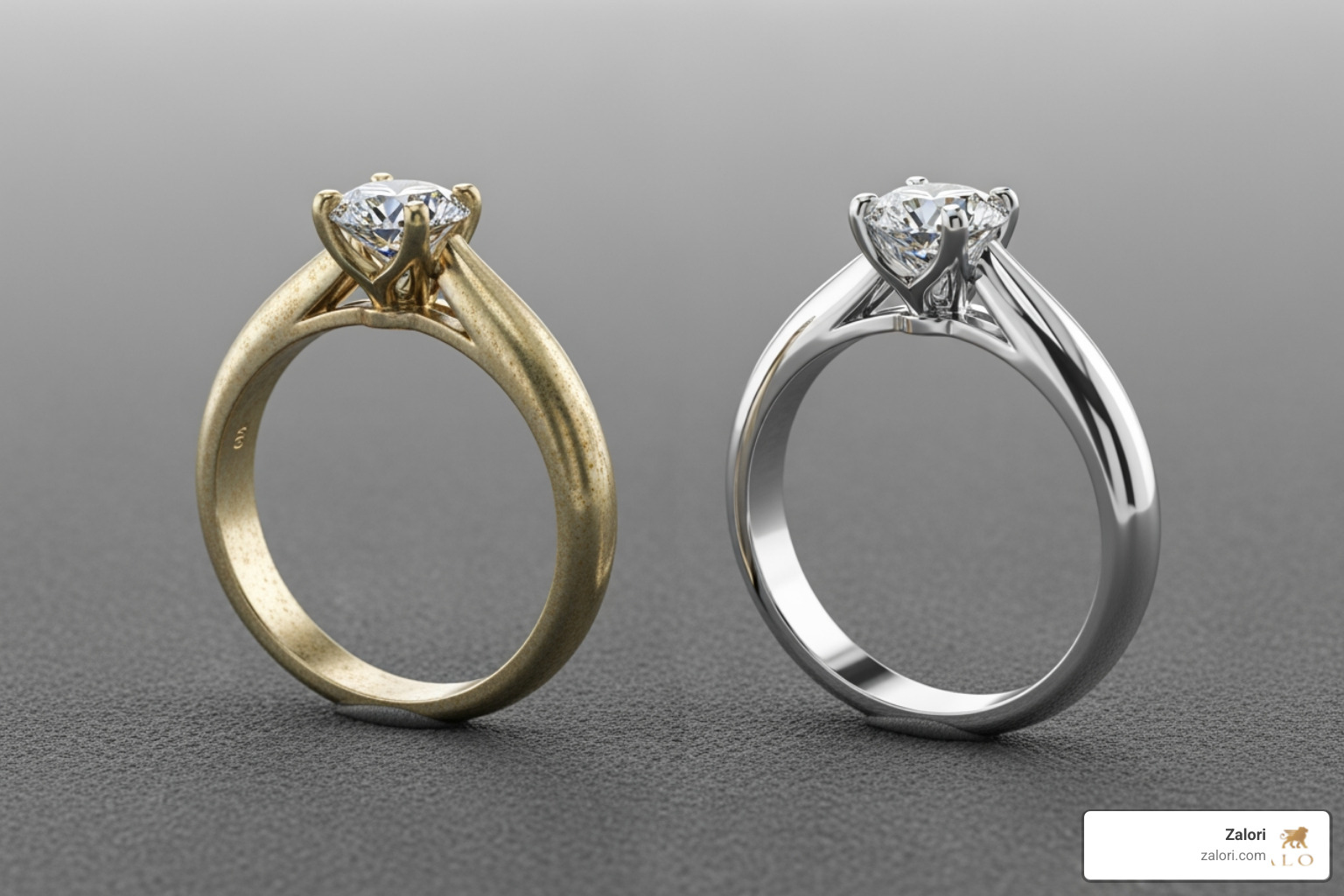
- Rhodium Plating Wear: This is the primary reason. The thin rhodium layer wears away from daily contact, revealing the slightly yellowish gold alloy underneath. This is a normal part of the ring's lifecycle and is fixed by re-plating. For more on this, see Is Rhodium-Plated Gold Right For You? Unveiling Its Secrets.
- Daily Buildup: Natural skin oils, lotions, makeup, and dirt create a film that dulls the surface and blocks light from the diamond.
- Chemical Exposure: Household cleaners, chlorine, and cosmetics can damage or discolor the metal and accelerate plating wear.
- Scratches and Abrasions: Tiny scratches on the metal surface scatter light instead of reflecting it, reducing its shine.
Knowing these causes is the foundation of mastering how to care for white gold engagement ring pieces. Prevention is always easier than restoration.
Daily Care and Prevention: Protecting Your Investment
Most damage to white gold rings comes from gradual, everyday exposure. Building simple protective habits into your routine is the most effective way to preserve your ring's brilliance and prevent costly repairs. For a broader look at jewelry care, our Jewelry Care 101: Your Complete Jewelry Care Guide for Gold & Sterling Silver is an excellent resource.
Daily Habits: How to care for your white gold engagement ring day-to-day
The single most effective habit is to remove your ring before certain activities. This one step prevents more damage than any other.
- Swimming: Chlorine in pools and hot tubs is highly corrosive and strips rhodium plating quickly. Saltwater can also cause buildup and corrosion.
- Exercise and Physical Activities: Lifting weights, yoga, or sports can bend the band, loosen prongs, and scratch the metal.
- Cleaning and Household Chores: Harsh chemicals and abrasive surfaces can damage both the plating and the underlying gold.
- Gardening: Gritty soil and physical work can scratch the surface and bend prongs.
Beyond removing your ring, follow the "last on, first off" rule. Put your ring on after applying lotions, perfumes, and makeup, and take it off first when you get home. This minimizes exposure to products that leave a dulling residue.
Harmful Household Chemicals to Avoid
Knowing which chemicals to avoid is critical for protecting your ring's rhodium plating and the gold alloy beneath.
- Chlorine and Bleach: These are the worst offenders. They can cause permanent discoloration, weaken the metal, and rapidly strip rhodium plating.
- Hand Sanitizer: The high alcohol content accelerates rhodium wear. Remove your ring before applying, or at least rinse your ring later.
- Hairspray, Perfumes, and Lotions: These products leave sticky residues that dull sparkle and contribute to plating breakdown over time.
- Abrasive Cleaners: Gritty cleaners used for sinks and tubs will scratch the metal and plating.
- Ammonia: Often found in glass cleaners, it can be too harsh for rhodium plating and may damage certain gemstones.
The Right Way to Store Your Ring
Proper storage protects your ring from scratches and damage when you're not wearing it.
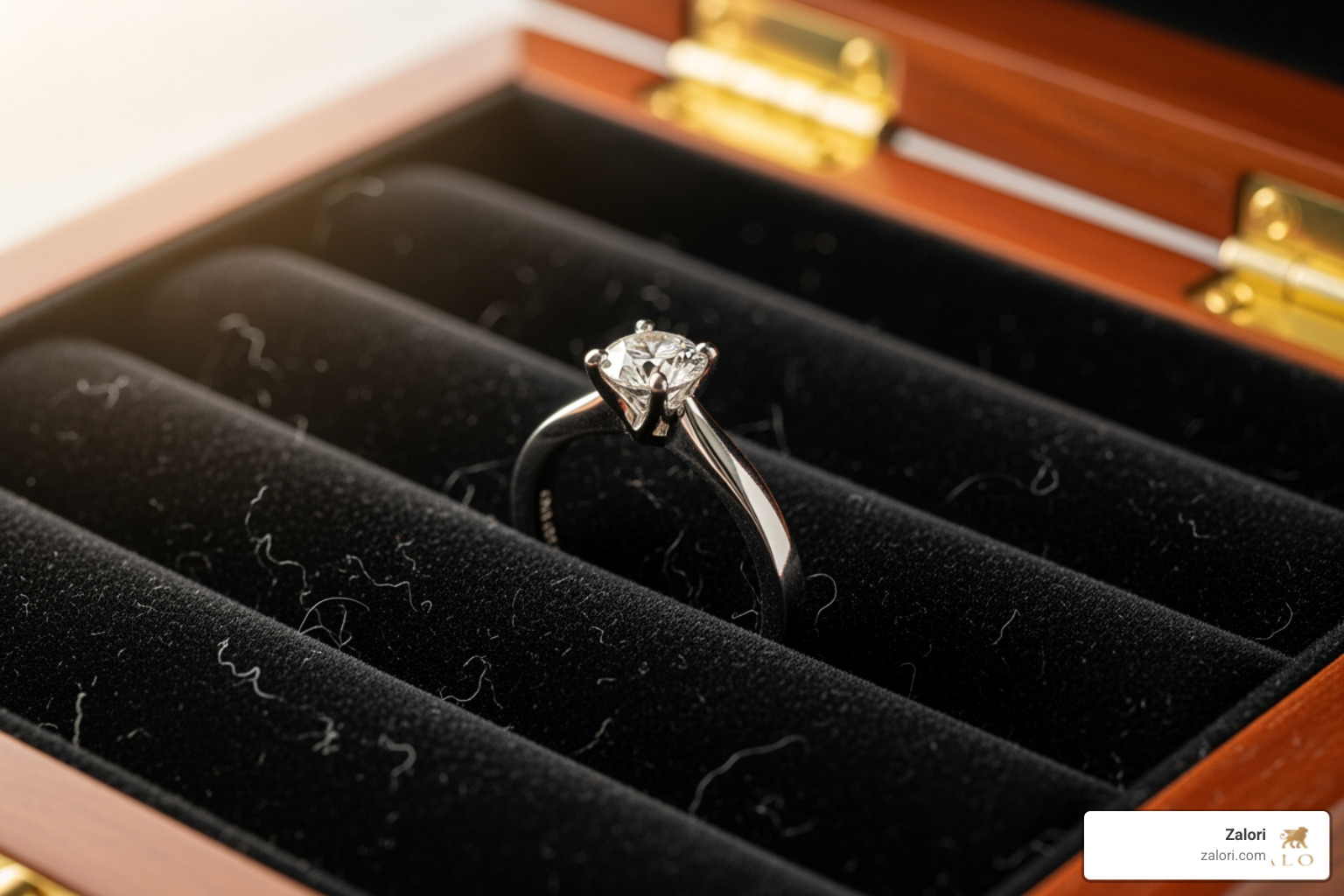
- Store Separately: Keep your ring in a separate compartment of a fabric-lined jewelry box or its own soft cloth pouch to prevent scratching from other jewelry.
- Choose a Cool, Dark Place: Avoid direct sunlight and extreme temperatures. A drawer or closet shelf is ideal.
- Keep it Dry: Store your ring away from humidity to prevent oxidation of the underlying alloy if the plating is thin. For more tips, see our article on How to Store Jewelry to Prevent Tarnish.
- Use Designated Safe Spots: A ring dish on your nightstand provides a consistent, safe place to put your ring, reducing the risk of loss or damage.
The Gentle Art of At-Home Cleaning: How to Care for Your White Gold Engagement Ring
Daily life leaves its mark on your ring in the form of skin oils, lotions, and dust, creating a film that dims its brilliance. A simple weekly cleaning at home can remove this buildup and restore its sparkle. For more tips, our guide on How to Clean Gold Jewelry: The Right Way (14k, 18k, and 24k Care You Can Trust) is a great resource.
Step-by-Step Home Cleaning Method
You don't need fancy equipment for effective at-home cleaning. Just follow these simple steps.
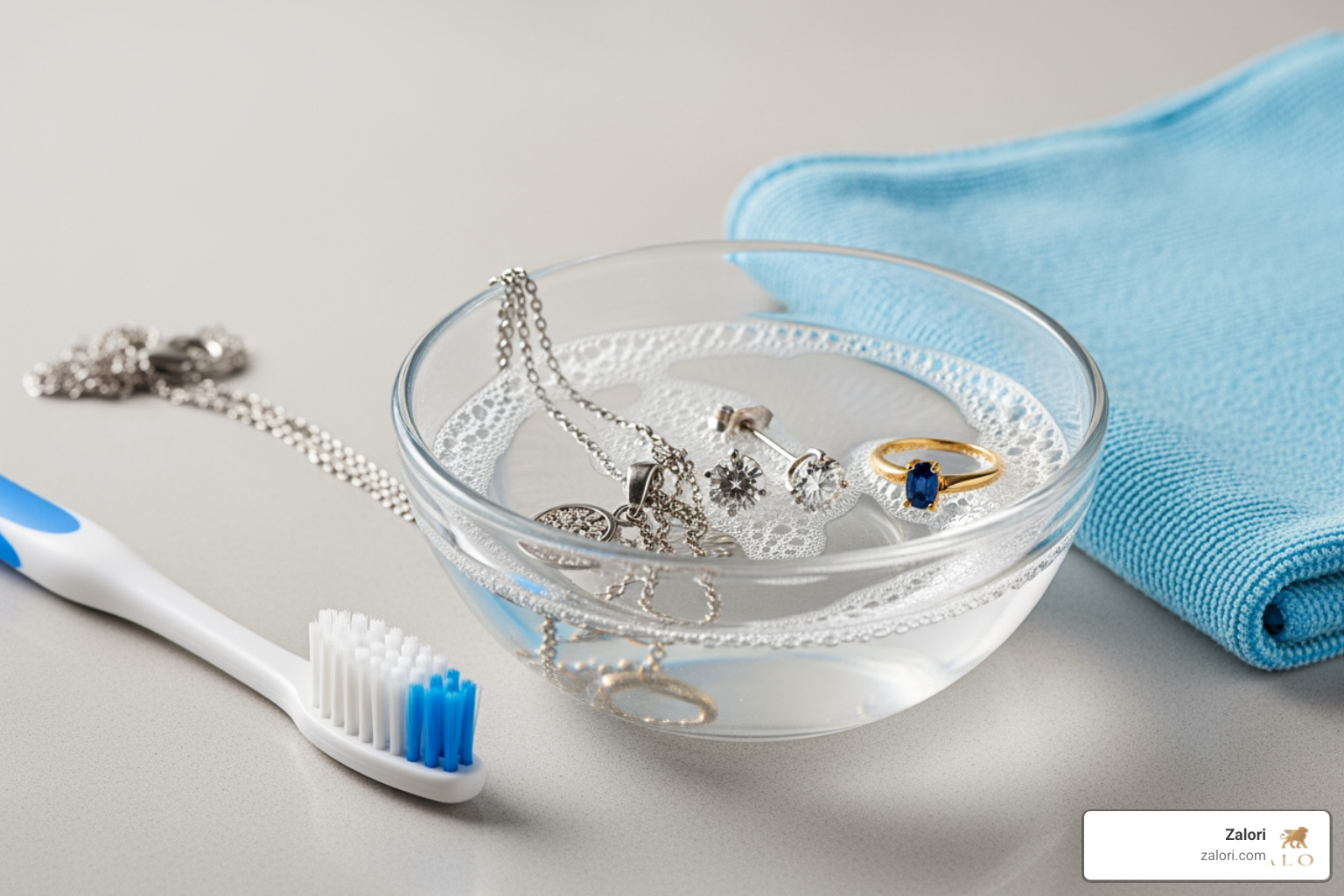
- Prepare a Soak: Fill a small bowl with warm water and a few drops of mild, dye-free dish soap.
- Soak Your Ring: Place your ring in the solution for 20-30 minutes. This allows the soapy water to loosen accumulated grime, especially under the setting.
- Gently Scrub: Use a very soft-bristled toothbrush (a baby toothbrush is ideal) to gently scrub all surfaces. Focus on the underside of the diamond and the crevices between prongs.
- Rinse Thoroughly: Hold the ring under lukewarm running water to wash away soap and debris. Important: Make sure your drain is plugged or covered first.
- Dry Completely: Pat the ring dry with a soft, lint-free cloth. Avoid paper towels, which can leave fibers and scratch the surface.
Special Considerations for Gemstones
While the soap-and-water method is safe for most rings, some gemstones require special care.
- Hard Stones (Diamonds, Sapphires, Rubies): These are durable and can be cleaned using the method above. Regular cleaning is essential for diamonds to maintain their brilliance. The origin of your diamond, which can be explored via services like Tracr, doesn't change its care needs.
- Porous or Soft Stones (Pearls, Opals, Emeralds, Turquoise): These stones are delicate. Do not soak them. Instead, wipe them gently with a soft cloth dampened with plain water and dry them immediately. Harsh cleaning or soaking can cause permanent damage, dull their luster, or strip treatments from stones like emeralds.
When in doubt about a gemstone, be gentle. A light wipe is always safer than aggressive cleaning.
Cleaning Methods and Products to Avoid
Just as important as knowing how to clean your ring is knowing what not to use. Avoid these common mistakes:
- Harsh Chemicals: Chlorine bleach, ammonia, and strong acids will corrode the metal and strip the rhodium plating.
- Abrasives: Toothpaste, thick baking soda pastes, and scouring pads will leave microscopic scratches on your ring, dulling its finish.
- Stiff Brushes: Always use a soft-bristled brush to avoid scratching the metal.
- Ultrasonic Cleaners: While professionals use them, consumer-grade models can loosen stones in delicate settings. Consult a jeweler before using one on your engagement ring.
- Jewelry "Dips": Many pre-packaged solutions contain harsh chemicals that can damage rhodium plating.
When to Call the Professionals: Polishing, Plating, and Repairs
While at-home care is crucial, your white gold ring also needs the expert hands of a professional jeweler. We recommend scheduling a professional inspection and cleaning at least once a year. This visit is preventative care that catches small issues before they become big problems, like a loose prong turning into a lost diamond. For more on how white gold compares to other metals, see our guide: White Gold vs. Platinum in 2025: Color, Care, Allergy Safety, and Cost – A No-Regrets Guide.
Signs Your Ring Needs Professional Attention
Your ring will show signs when it needs more than a home cleaning. See a jeweler if you notice any of the following:
- Yellowing or Dullness: This is the most common sign. It means the rhodium plating has worn thin, and the underlying gold alloy is showing through. It needs to be re-plated.
- Deep Scratches or Dents: While minor scuffs are normal, deeper gouges require professional polishing to smooth the metal and prevent weak spots.
- Loose Prongs or Stone: This is an emergency. If your stone moves at all, or if a prong looks bent or lifted, see a jeweler immediately to avoid losing your stone.
- Damaged Setting: Any visible cracks or warping in the structure holding your stone needs professional inspection.
- Warped or Misshapen Band: If your ring is no longer perfectly round, a jeweler needs to reshape it to prevent uneven stress on the setting.
The Professional Touch: Polishing and Re-Plating
When your ring shows signs of wear, a jeweler can restore it to like-new condition. The process usually involves two steps:
- Professional Polishing: Using specialized buffing wheels and compounds, a jeweler carefully removes scratches and smooths the metal surface, preparing it for plating.
- Rhodium Re-plating: After a thorough cleaning, the jeweler uses an electroplating process to apply a fresh, thin layer of rhodium. The change is dramatic, restoring the brilliant white, mirror-like finish.
Most rings benefit from re-plating every one to two years, though this varies with lifestyle. The cost is surprisingly affordable, typically ranging from $50-$100 for a comprehensive service that includes polishing and inspection. It's a small price to pay to maintain the beauty of such a meaningful symbol.
Frequently Asked Questions about White Gold Ring Care
Over the years, we've answered countless questions from clients about real-world ring care. Here are the most common ones, with our expert advice.
How often should I have my white gold ring professionally inspected?
We strongly recommend a professional inspection at least once a year. During this visit, a jeweler will use specialized tools to:
- Check that all prongs are tight and your gemstones are secure.
- Assess the wear on your rhodium plating and advise if it's time for a refresh.
- Spot subtle issues like tiny cracks or warping in the band.
- Perform a deep, professional cleaning that removes stubborn buildup.
This annual check-up is preventative care that ensures your ring's security and long-term beauty.
Will hand sanitizer ruin my white gold ring?
Hand sanitizer won't ruin your ring instantly, but frequent exposure is not ideal. The high alcohol content and other chemicals can accelerate the breakdown of your rhodium plating, meaning you may need re-plating more often. It can also leave a dulling film on the metal and stone.
Best Practice: Remove your ring before applying hand sanitizer and put it back on after your hands are dry. If contact is unavoidable, simply rinse your ring with water and dry it thoroughly later.
Can I wear my white gold ring in the shower?
We recommend removing your ring before showering for two main reasons:
- Risk of Loss: Soapy hands are slippery, and your ring can easily slide off and go down the drain. This is one of the most common ways rings are lost.
- Product Buildup: Shampoos, conditioners, and soaps contain oils and chemicals that leave a filmy residue on your ring and diamond, making them look cloudy and dull.
While tap water is generally safe, the combination of shower products and repeated exposure will dull your ring's shine and contribute to rhodium wear over time. It's safest to place it in a designated spot, like a ring dish, before you hop in.
Conclusion: Preserving the Brilliance for a Lifetime
Your white gold engagement ring is a symbol of your love story, deserving of care that honors its beauty and meaning. Mastering how to care for white gold engagement ring pieces is straightforward and comes down to three consistent practices:
- Daily Prevention: Protect your ring by removing it during harsh activities and applying the "last on, first off" rule with cosmetics.
- Regular Home Cleaning: A weekly soak in mild, soapy water is all it takes to remove daily grime and restore sparkle.
- Annual Professional Care: A yearly visit to a jeweler for inspection, cleaning, and re-plating ensures your ring's long-term security and brilliance.
At Zalori, our commitment to exceptional craftsmanship means every piece is designed to become a family heirloom. With these simple, consistent habits, your ring can maintain its stunning brilliance not just for your lifetime, but for generations to come.
We invite you to explore our collections of fine jewelry to find more pieces crafted with the same dedication to lasting quality. To deepen your knowledge, learn more about gold jewelry care in our comprehensive guide.
Related Articles
View all