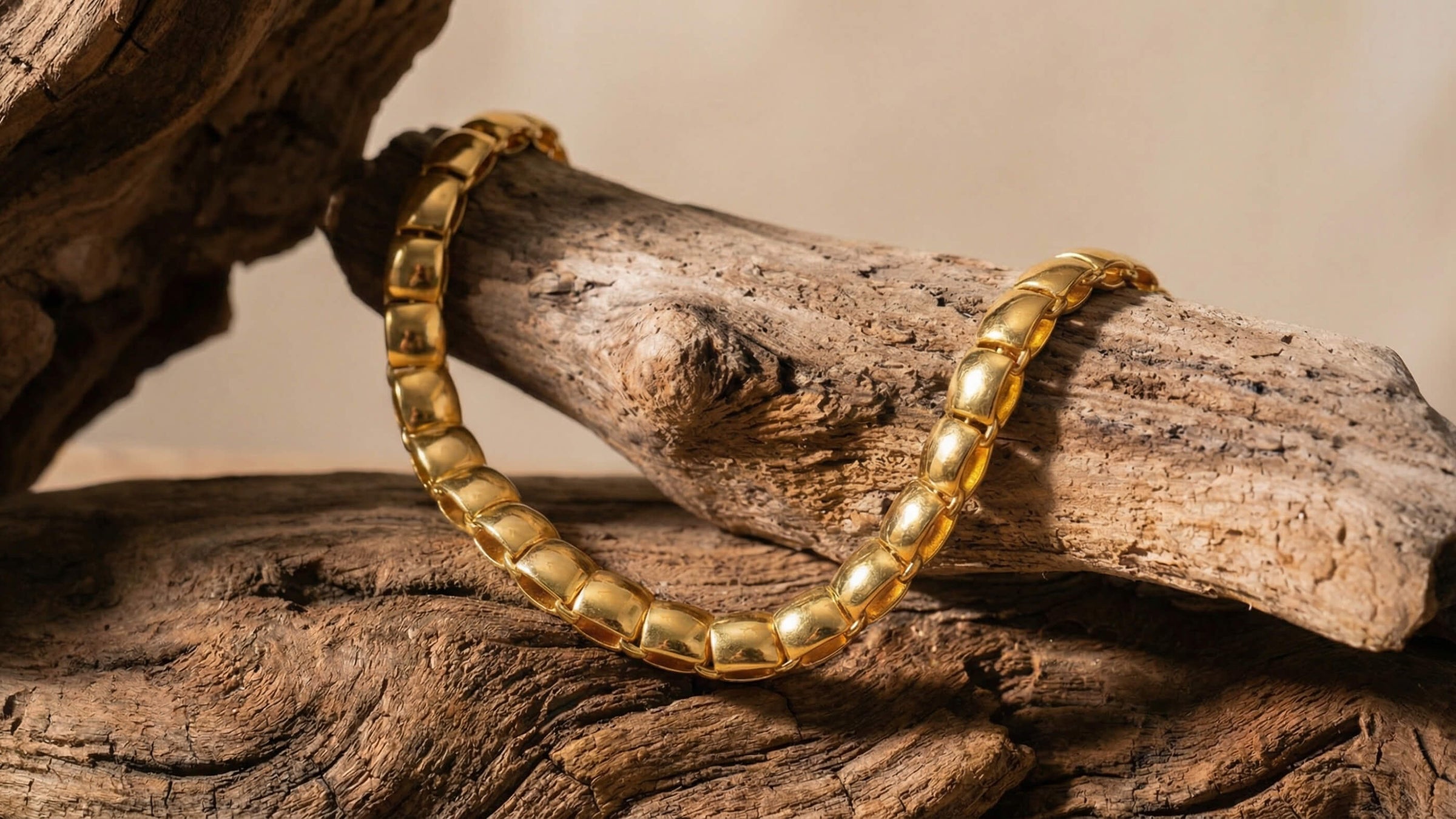
From Bali with Love: The Story Behind Hand-Crafted Silver Necklaces
The Timeless Allure of Authentic Balinese Craftsmanship
A Balinese silver necklace represents centuries of masterful artistry, where each piece tells a story of cultural heritage and spiritual significance. These handcrafted treasures from the Indonesian island of Bali combine intricate traditional techniques with meaningful motifs, creating jewelry that transcends mere ornamentation.
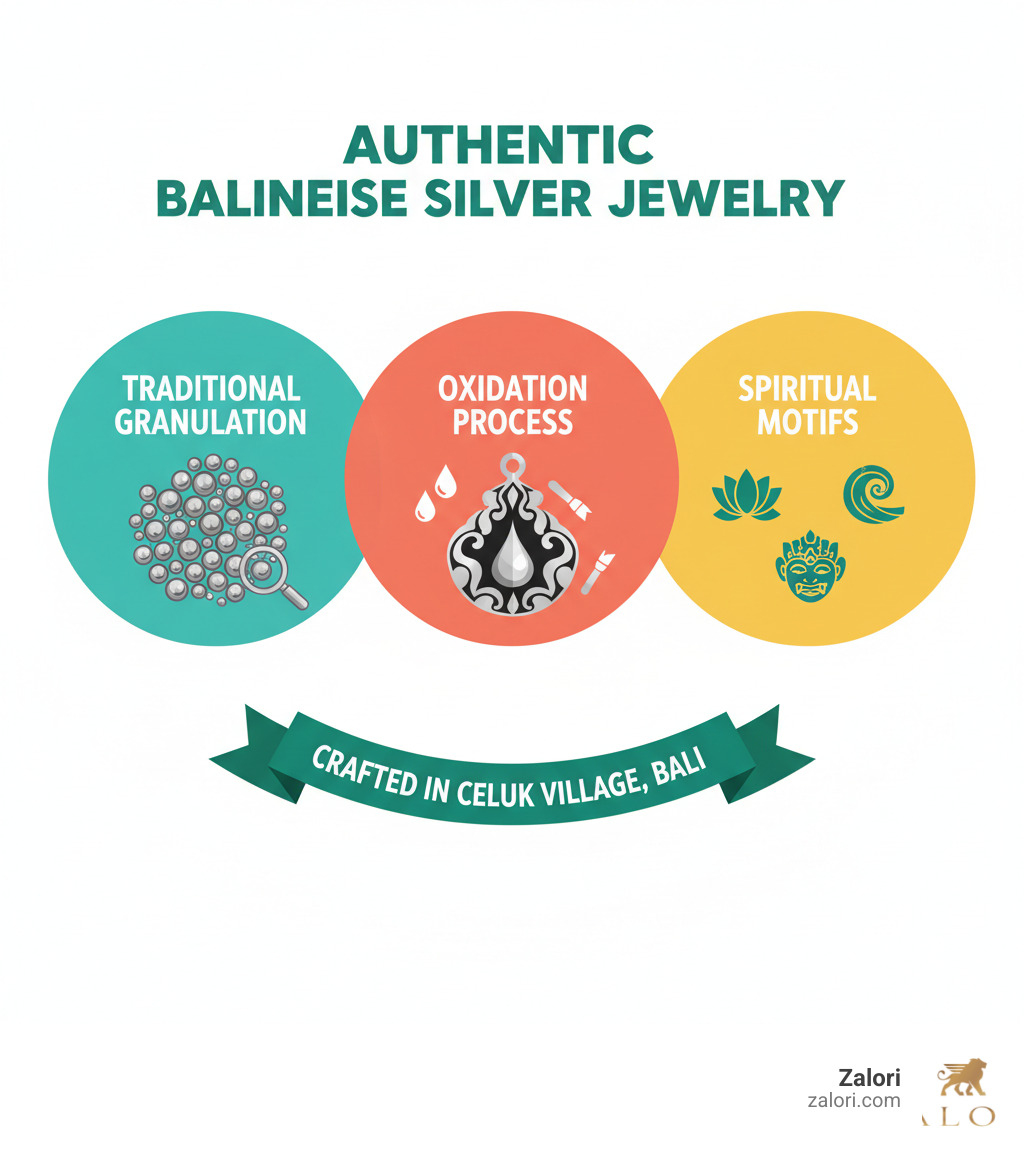
Key characteristics of authentic Balinese silver necklaces:
- Material: 925 sterling silver with distinctive oxidized finish
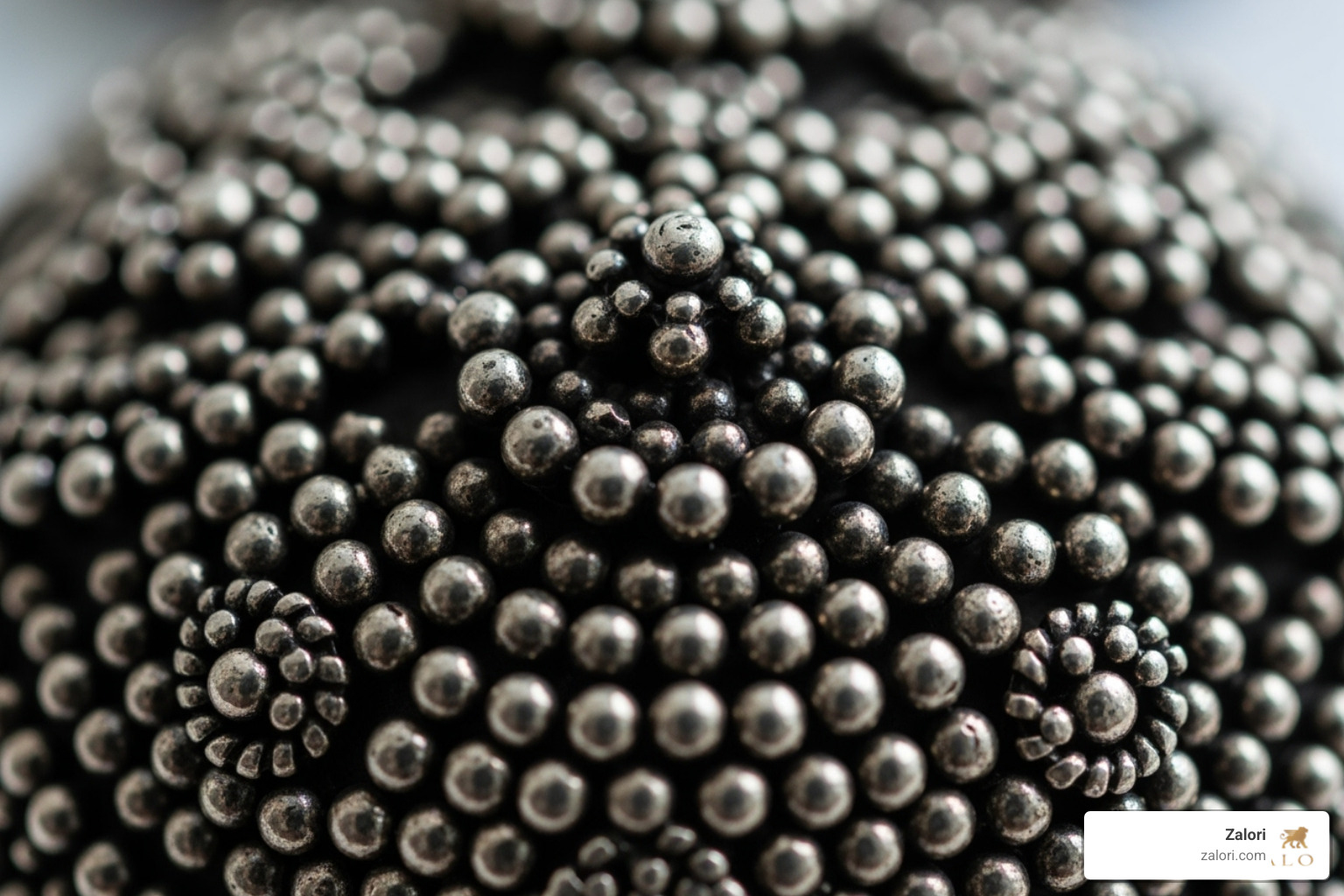
- Techniques: Hand-weaving, granulation (Jawan), and filigree work
- Motifs: Spiritual symbols, nature-inspired designs, and geometric patterns
- Origin: Celuk village, Bali's renowned silversmith center
- Features: Substantial weight, intricate details, and cultural authenticity
The silversmiths of Bali have long been credited with creating unique designs that begin with darkened silver, then undergo meticulous polishing to create stunning contrasts between highlighted surfaces and shadowed inner sections. This traditional approach adds remarkable depth and character to each piece.
What sets Balinese silver apart is the combination of royal court artisan traditions, Hindu-Balinese spiritual symbolism, and techniques passed down through generations. Unlike mass-produced jewelry, each necklace carries the personal touch of skilled craftsmen who view their work as both art and spiritual practice.
From pendant necklaces featuring sacred Ganesha motifs to intricate chain designs using traditional weaving methods, these pieces offer discerning collectors authentic luxury that appreciates in both beauty and cultural value over time.
I'm Eric Roach Zalori, a serial venture capitalist who has launched Summit Metals Holdings to bring genuine precious metal jewelry to collectors who demand authenticity over mass production. Through my work at Zalori, I've developed deep expertise in identifying authentic Balinese silver necklace craftsmanship and connecting people with heirloom-quality pieces that start with sterling silver as the foundation.
The Soul of Silver: History and Cultural Significance
Deep in the heart of Bali lies a story that's been whispered through hammered silver for over 800 years. Every Balinese silver necklace carries this ancient tale one where artistry meets spirituality, and craft becomes prayer.
Long before tourists found Bali's beaches, the island's royal courts were nurturing something extraordinary. Master silversmiths worked under the patronage of local rulers, their fingers dancing across precious metal as they created pieces that would grace the necks of nobility. These weren't just pretty things to wear they were sacred offerings to Hindu deities, protective talismans worn into battle, and symbols of divine favor.
Picture this: an artisan in a dimly lit palace workshop, carefully placing each tiny silver granule while whispering prayers. Every swirl held meaning. Every pattern told a story. This wasn't mass production this was spiritual practice disguised as jewelry making.
The beating heart of this tradition pulses strongest in Celuk village, affectionately known as Bali's "Silver Village." Here, entire families have dedicated their lives to this ancient craft for generations. Fathers teach sons, mothers guide daughters, and the sacred techniques of granulation and filigree pass from weathered hands to eager young ones.
What makes this tradition so special isn't just the skill it's the soul behind it. In Hindu-Balinese culture, creating jewelry is an act of devotion. Each piece becomes a bridge between the earthly and divine, carrying the maker's prayers and the wearer's hopes.
Today's Balinese silver necklace honors this rich heritage while embracing modern sensibilities. The same families who once served royal courts now create pieces for jewelry lovers worldwide. Yet the core remains unchanged: meticulous handcrafted details, spiritual undertones, and that unmistakable sense of sacred artistry that transforms simple silver into something transcendent.
The Artisan's Touch: Traditional Balinese Silver-Making Techniques
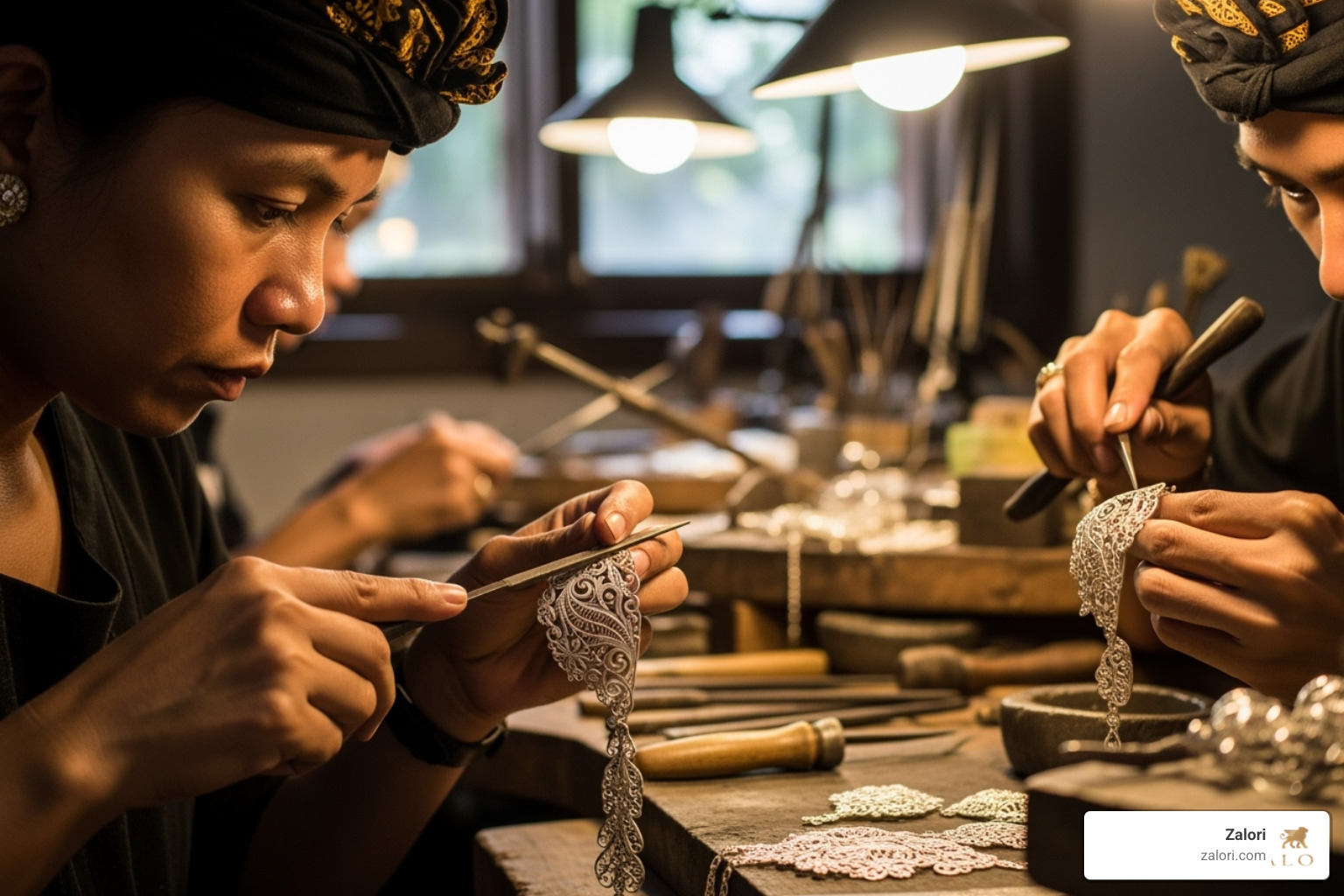
When you hold an authentic Balinese silver necklace, you're experiencing centuries of masterful techniques that have been lovingly passed from father to son, mother to daughter. These aren't assembly-line methods – they're sacred arts that transform raw silver into something truly magical.
The most breathtaking technique is granulation, known locally as Jawan. Picture an artisan carefully placing hundreds of tiny silver beads, each no bigger than a grain of sand, onto a silver surface. One by one, with steady hands and infinite patience, they create textures that shimmer and dance in the light. It's like watching someone paint with precious metal droplets.
Then there's filigree work, or Tulang Naga (dragon bone) as it's called when used in chain making. This delicate art involves twisting impossibly fine silver threads into intricate lace-like patterns. The threads are then carefully soldered together, creating jewelry that somehow feels both substantial and weightless at the same time.
Repoussé is where the real magic happens. Artisans gently hammer silver sheets from behind, coaxing three-dimensional images to emerge from flat surfaces. Imagine watching a lotus flower slowly bloom under an artisan's patient tapping – that's the wonder of repoussé.
But perhaps the most striking technique is oxidation. This process creates the dramatic contrast that makes Balinese silver so distinctive. The silver starts naturally dark, then artisans carefully polish the raised surfaces while leaving the recessed areas shadowed. The result? Stunning depth that makes every pattern pop with life.
Hand-hammering adds texture and character to each piece, while traditional hand-weaving chains form the backbone of many necklaces. These aren't machine-made links – each connection is crafted individually, creating chains that flow like liquid silver.
For those curious about the fascinating world of chain designs, you can explore various weaving styles including foxtail, Bali, Persian, and Thai techniques. More info about chain weaves.
These time-honored methods are what separate an authentic Balinese silver necklace from mass-produced jewelry. Every curve, every texture, every gleaming highlight carries the personal touch of a skilled craftsperson who views their work as both art and spiritual practice.
Anatomy of a Balinese Silver Necklace: Designs, Materials, and Styles
Every Balinese silver necklace tells a story through its carefully chosen elements. From sacred symbols to precious materials, each component reflects centuries of artistic tradition and spiritual meaning. Let's explore what makes these pieces so captivating.
Common Motifs and Their Meanings
Walking through a Balinese silver collection feels like finding a visual language where every symbol carries deep significance. The artisans don't just create beautiful patterns – they embed meaning into every curve and detail.
Floral motifs celebrate Bali's incredible natural beauty. The lotus appears frequently, its pure petals emerging from muddy waters to symbolize spiritual awakening and rebirth. Frangipani flowers, with their delicate five-pointed blooms, hold special meaning in Balinese ceremonies and represent the connection between earth and divine. These aren't just pretty decorations – they're reminders of nature's sacred power.
Animal motifs bring mythical and real creatures to life in silver. The mighty Naga dragon, a serpentine guardian spirit, wraps around pendants and chains to offer protection and prosperity to the wearer. Sea turtles represent wisdom and longevity, their ancient shells carefully recreated in gleaming silver. Even owls find their way into designs, their knowing eyes watching over those who wear them.
Spiritual symbols form the heart of many pieces. The sacred Om symbol represents universal consciousness in Hindu tradition, while Ganesha, the beloved elephant-headed deity, removes obstacles from your path. The protective spirit Barong appears in intricate detail, bringing good fortune and warding off negative energy. These aren't just decorative elements – they're spiritual companions.
Geometric patterns and nature-inspired designs weave through these motifs, creating harmonious compositions that reflect Bali's artistic heritage. The interplay between sacred symbols, natural forms, and mathematical precision creates jewelry that's both visually stunning and spiritually meaningful.
Precious Materials: More Than Just Silver
While silver takes center stage, a Balinese silver necklace often incorporates other precious materials that add color, texture, and deeper meaning to each piece.
925 Sterling Silver forms the foundation of authentic Balinese jewelry. This means you're getting 92.5% pure silver combined with 7.5% other metals (usually copper) for strength and durability. This isn't a compromise – it's the perfect balance of beauty and practicality. Want to make sure you're getting genuine silver? Check out our guide: Is Your Silver Chain 925? A Buyer's Guide to Genuine Silver.
18k Gold accents sometimes dance alongside the silver, creating stunning two-tone effects that catch the light beautifully. These golden touches aren't random – they're strategically placed to highlight specific design elements and add a touch of luxury.
Gemstones bring vibrant color and energy to the silver canvas. Amethyst adds calming purple hues that many believe promote tranquility. Moonstone captures ethereal light with its mysterious glow, while Garnet provides rich red warmth. Each stone is chosen not just for beauty, but for the positive energy it's believed to bring.
Natural materials like pearls and shells connect these pieces directly to Bali's ocean heritage. The artisans understand that true luxury comes from authentic materials, not artificial substitutes. For a deeper dive into quality materials, explore: The Material World: Uncovering the Secrets of True Quality.
Popular Styles of the Balinese Silver Necklace
Balinese artisans create an impressive range of necklace styles, each offering a different way to wear their beautiful craftsmanship.
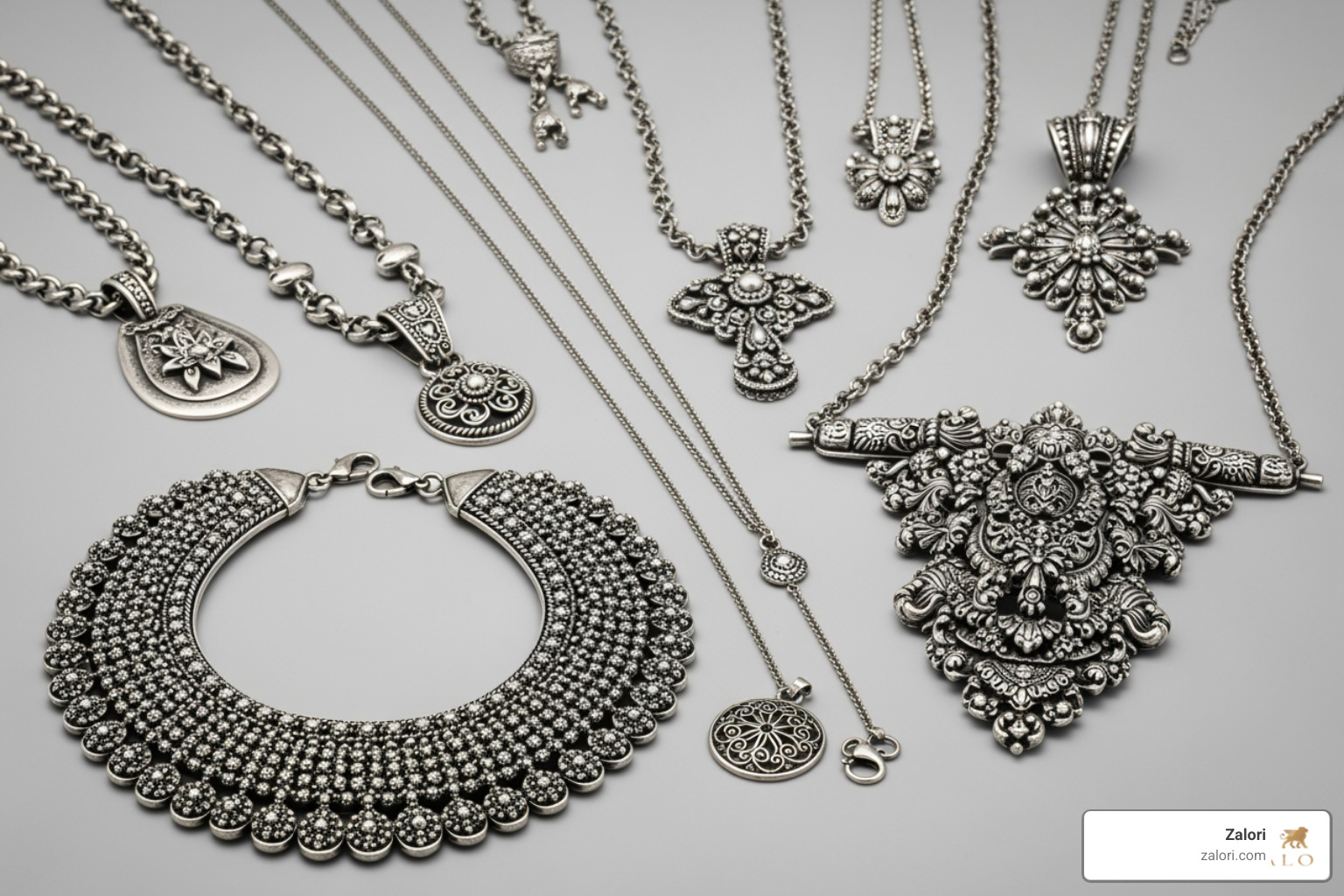
Pendant necklaces remain the most beloved style, featuring a central ornamental piece that showcases the artisan's skill. Whether it's an intricate Ganesha figure or a delicate lotus bloom, the pendant becomes a focal point for both beauty and meaning.
Intricate chains deserve special attention because Balinese artisans are absolute masters of hand-woven chain construction. The sturdy Byzantine chain offers complex interlocking patterns, while the textured Wheat chain provides neat simplicity. These chains feature that signature oxidized finish that makes every link shine against darker recesses. For more insights into chain varieties, check out: More info about chain weaves.
Collar necklaces make bold statements, sitting high on the neck with hammered or sculpted silver that demands attention. These pieces transform the wearer, adding an air of regal elegance that's hard to ignore.
Lariat styles offer wonderful versatility – these flowing designs loop around the neck without clasps, often featuring decorative ends that can be tied or left to dangle gracefully. They're perfect for those who love adjustable, fluid jewelry.
Harmony Ball pendants hold special meaning in Indonesian tradition. These spherical pendants contain tiny bells that create gentle chimes with movement. Originally worn by pregnant women to soothe their babies, they now bring peaceful energy to anyone who wears them.
The diversity of styles means there's a perfect Balinese silver necklace for every personality and occasion. Whether you prefer subtle elegance or bold statement pieces, the artisans of Bali have created something that will speak to your soul.
The Modern Heirloom: Authenticity and Evolution
When you hold an authentic Balinese silver necklace, you're touching centuries of artisan tradition. But in today's world of mass production, how do you know you're getting the real thing? And how has this ancient craft adapted to modern times while staying true to its roots?
Identifying an Authentic Balinese Silver Necklace
The beauty of genuine Balinese silver lies in its imperfections – those subtle variations that whisper "made by human hands." When examining a piece, look for the handcrafted details that machines simply can't replicate. You'll notice slight irregularities in the granulation work, where tiny silver beads create texture. The filigree patterns might have minor asymmetries that actually add to their charm.
An authentic piece should carry the 925 stamp, your guarantee that you're getting sterling silver – 92.5% pure silver mixed with just enough copper for strength. This isn't just a number; it's a promise of quality that will last generations.
Pick up the necklace and feel its substantial weight. Real sterling silver has a satisfying heft that cheap imitations can't match. The metal feels solid and substantial in your hands, not hollow or flimsy.
The signature oxidized finish is perhaps the most distinctive feature of Balinese silver. Those darkened recesses aren't accidental – they're carefully created to make the polished surfaces pop with contrast. This interplay of light and shadow brings every intricate detail to life.
Most importantly, choose reputable sellers who understand the craft and can tell you the story behind each piece. At Zalori, we work directly with skilled artisans, ensuring every Balinese silver necklace meets our uncompromising standards. You can find authentic Balinese jewelry at Zalori with complete confidence in its provenance.
Contemporary Trends and Global Influences
Balinese silver hasn't remained frozen in time – it's a living tradition that breathes with contemporary influences. The boho-chic aesthetic that's swept global fashion? Balinese artisans were creating that free-spirited, organic look centuries before it had a name.
Today's designers are embracing minimalist interpretations of traditional techniques. They're taking the complex granulation and filigree work and applying it to cleaner, more understated designs. The result? Pieces that honor the past while speaking to modern sensibilities.
Fusion designs represent some of the most exciting developments in Balinese silver. Artisans are blending their ancestral motifs with influences from around the world, creating pieces that feel both timeless and thoroughly contemporary. A lotus flower might be rendered with Art Deco lines, or traditional chain weaving might incorporate modern geometric patterns.
This evolution has given Balinese silver tremendous global fashion appeal. From the art-forward streets of New York and Los Angeles to the chic boutiques across the European Union, fashion enthusiasts are drawn to these pieces because they offer something mass-produced jewelry never can – a story, a heritage, and the unmistakable mark of human creativity.
Ethical Craftsmanship and Sustainable Choices
When you choose a Balinese silver necklace, you're making a statement that goes beyond fashion. You're supporting fair trade principles that ensure artisans receive fair compensation for their extraordinary skills. This isn't charity – it's recognizing the true value of handcrafted artistry.
Your purchase directly supports artisan communities in villages like Celuk, where silversmithing skills pass from parent to child. These aren't just jobs; they're cultural traditions that depend on economic viability to survive. When families can make a good living from their craft, they're more likely to teach it to the next generation.
Conscious consumerism means choosing quality over quantity, story over anonymity. A handcrafted Balinese silver necklace represents the opposite of fast fashion – it's made to be treasured, not discarded.
The commitment to sustainable material sourcing runs deep in traditional Balinese silversmithing. Many artisans source their silver locally from Indonesian mines, creating shorter supply chains and supporting regional economies. The gemstones and natural materials often come from the islands themselves, connecting each piece to its homeland.
Most importantly, choosing authentic Balinese silver means empowering local economies. Your purchase helps preserve not just a craft, but an entire way of life. It ensures that future generations will still be able to learn these ancient techniques and carry them forward into an uncertain future.
This is what makes a Balinese silver necklace more than just jewelry – it's a bridge between past and present, a celebration of human creativity, and a small but meaningful act of cultural preservation.
Caring for Your Balinese Treasure
Your Balinese silver necklace is more than jewelry – it's a piece of living art that deserves thoughtful care. With the right approach, these handcrafted treasures will maintain their stunning beauty and cultural significance for generations.
The key to caring for Balinese silver lies in understanding its unique character. Unlike mass-produced jewelry, these pieces feature intentional oxidized finishes that create those gorgeous dark contrasts against polished silver surfaces. This means your care routine needs to be gentle and respectful of the artisan's original vision.
Cleaning your oxidized silver requires a delicate touch. Those darkened areas aren't tarnish – they're part of the design! Simply use a soft, dry cloth to gently wipe away dust and oils. The goal is to clean without disturbing the beautiful patina that makes your necklace so distinctive.
For the bright, polished areas, a specialized silver polishing cloth works wonders. Gently rub these surfaces to restore their mirror-like shine while leaving the oxidized sections untouched. Think of it as highlighting the artisan's intended contrast between light and shadow.
Proper storage makes all the difference in preserving your treasure. Keep your necklace in a cool, dry place, ideally in an airtight bag or jewelry box lined with anti-tarnish fabric. This simple step minimizes exposure to humidity and air – the main culprits behind unwanted tarnishing.
Your daily routine matters too. Remove your silver jewelry before swimming, showering, or applying lotions, perfumes, and hairspray. These chemicals can accelerate tarnishing and dull that beautiful finish you love. It's a small habit that pays big dividends in preserving your necklace's beauty.
Here's something interesting: regular wear actually helps prevent tarnish. The natural oils from your skin create a protective barrier on the silver. So don't be afraid to wear your Balinese silver necklace often – it's meant to be enjoyed, not hidden away!
When you're not wearing it, proper storage becomes crucial. An airtight environment keeps moisture at bay, while anti-tarnish materials absorb any sulfur compounds that could cause discoloration.
For comprehensive guidance on maintaining your precious metals, we've created detailed resources to help you: Sterling Silver Care 2025: How to Clean, Store, and Prevent Tarnish Without Harsh Chemicals and How to Clean Gold and Silver Jewelry at Home Safely: A Sustainable Care Guide.
Caring for your Balinese silver is about preservation, not perfection. These pieces are meant to develop character over time, and with proper care, they'll tell your story while honoring their cultural heritage for years to come.
Frequently Asked Questions about Balinese Silver Necklaces
When customers find the intricate beauty of a Balinese silver necklace, they naturally have questions about what makes these pieces so special. Let me share some insights from my years of experience working with authentic Balinese artisans and their remarkable creations.
What makes Balinese silver different from other sterling silver?
The magic of a Balinese silver necklace lies in its soul – something you simply can't find in mass-produced jewelry. When you hold an authentic piece, you're touching centuries of tradition that began in the royal courts of Bali.
The unique techniques set Balinese silver apart immediately. Master artisans use specialized methods like granulation (Jawan), where tiny silver beads are painstakingly applied to create mesmerizing textures. The intricate filigree work resembles delicate lace made from precious metal, while the signature oxidation process creates those stunning contrasts between dark recesses and polished highlights that make each pattern pop with depth.
But it's more than just technique. Every Balinese silver necklace carries deep cultural and spiritual motifs that tell stories. Whether it's a protective Naga dragon, a wisdom-bearing sea turtle, or the sacred Om symbol, each piece connects you to Hindu-Balinese spirituality and the island's natural beauty. This cultural narrative transforms simple silver into something meaningful.
The handcrafted legacy passed down through generations in villages like Celuk ensures that no two pieces are identical. Each artisan brings their personal touch, creating subtle variations that speak to the human hands behind the work. This distinctive, detailed aesthetic – with its substantial weight, intricate patterns, and cultural authenticity – makes Balinese silver instantly recognizable to those who appreciate fine craftsmanship.
Are Balinese silver necklaces expensive?
Here's the truth about pricing: a Balinese silver necklace represents an investment in handcrafted art, not just jewelry. The wide price range means there's something for everyone, but the value always reflects the artisan's skill and dedication.
Several factors determine cost. The artisan's skill level plays a huge role – master craftsmen who've perfected complex techniques over decades naturally command higher prices for their expertise. The complexity and materials also matter significantly. A simple chain might be quite affordable, while a necklace featuring extensive granulation, precious gemstones like amethyst or moonstone, or 18k gold accents will cost more.
Think of it this way: you're not just buying silver and stones. You're investing in handcrafted art that took hours, sometimes days, to create. Each piece represents a craftsman's skill, cultural heritage, and artistic vision. When you consider the time, expertise, and materials involved, authentic Balinese silver offers remarkable value for what you receive.
The beauty is that this art form is accessible. Whether you're looking for your first piece or adding to a collection, you can find authentic options that fit your budget while still supporting these incredible artisan communities.
Can I wear my Balinese silver necklace every day?
Absolutely! In fact, I often tell customers that their Balinese silver necklace was meant to be worn and enjoyed, not hidden away in a jewelry box.
The durability of sterling silver makes it perfect for daily wear. That 925 sterling silver composition gives your necklace the strength to withstand regular use while maintaining its beauty. Unlike fragile fashion jewelry, authentic Balinese pieces are built to last.
Here's something interesting: proper care actually extends the life of your necklace significantly. The natural oils from your skin can help protect the silver, and regular wear often prevents excessive tarnishing. When you do notice some darkening over time, natural tarnish adds character – especially with the oxidized finish that's already part of the design aesthetic.
Your Balinese silver necklace is absolutely suitable for daily wear. Just remember to remove it during swimming, showering, or when applying lotions and perfumes. These simple precautions will keep your piece looking beautiful for years to come.
The wonderful thing about Balinese silver is how it complements both casual and dressy outfits. Whether you're wearing jeans or attending a special event, your necklace adds that perfect touch of unique elegance that speaks to your appreciation for authentic craftsmanship.
Conclusion
The story of a Balinese silver necklace comes full circle with you. Each piece represents a bridge between ancient traditions and modern expression, carrying the dreams and devotion of skilled artisans from the silver village of Celuk to your jewelry collection.
When you wear authentic Balinese silver, you're not just accessorizingyou're becoming part of a living tradition that spans centuries. The granulation techniques that create those mesmerizing textures, the spiritual motifs that offer protection and meaning, and the hand-hammered details that make each piece unique all tell a story that becomes yours to continue.
These necklaces embody everything we value most in luxury jewelry: authentic craftsmanship over mass production, cultural significance over fleeting trends, and sustainable practices over quick profits. The oxidized silver that creates those stunning contrasts, the sterling silver foundation that ensures lasting quality, and the gemstone accents that add personal meaning all work together to create something truly special.
At Zalori, we understand that exceptional jewelry should tell your story while honoring the traditions of its makers. Our commitment to uncompromising standards for exceptional craftsmanship and the meticulous selection of high-quality, authentic materials means every Balinese silver necklace in our collection meets the highest standards of authenticity and artistry.
Whether you're drawn to intricate pendant designs featuring sacred symbols, neat chain work that showcases traditional weaving techniques, or bold collar styles that make a statement, your perfect piece is waiting to become part of your personal collection.
You can experience Zalori in Salt Lake City UT, New York City NY, Los Angeles CA, Dallas TX, San Diego CA, Maui HI, and Chicago IL, and we serve clients across the United States, Canada, and the European Union.
Related Articles
View all