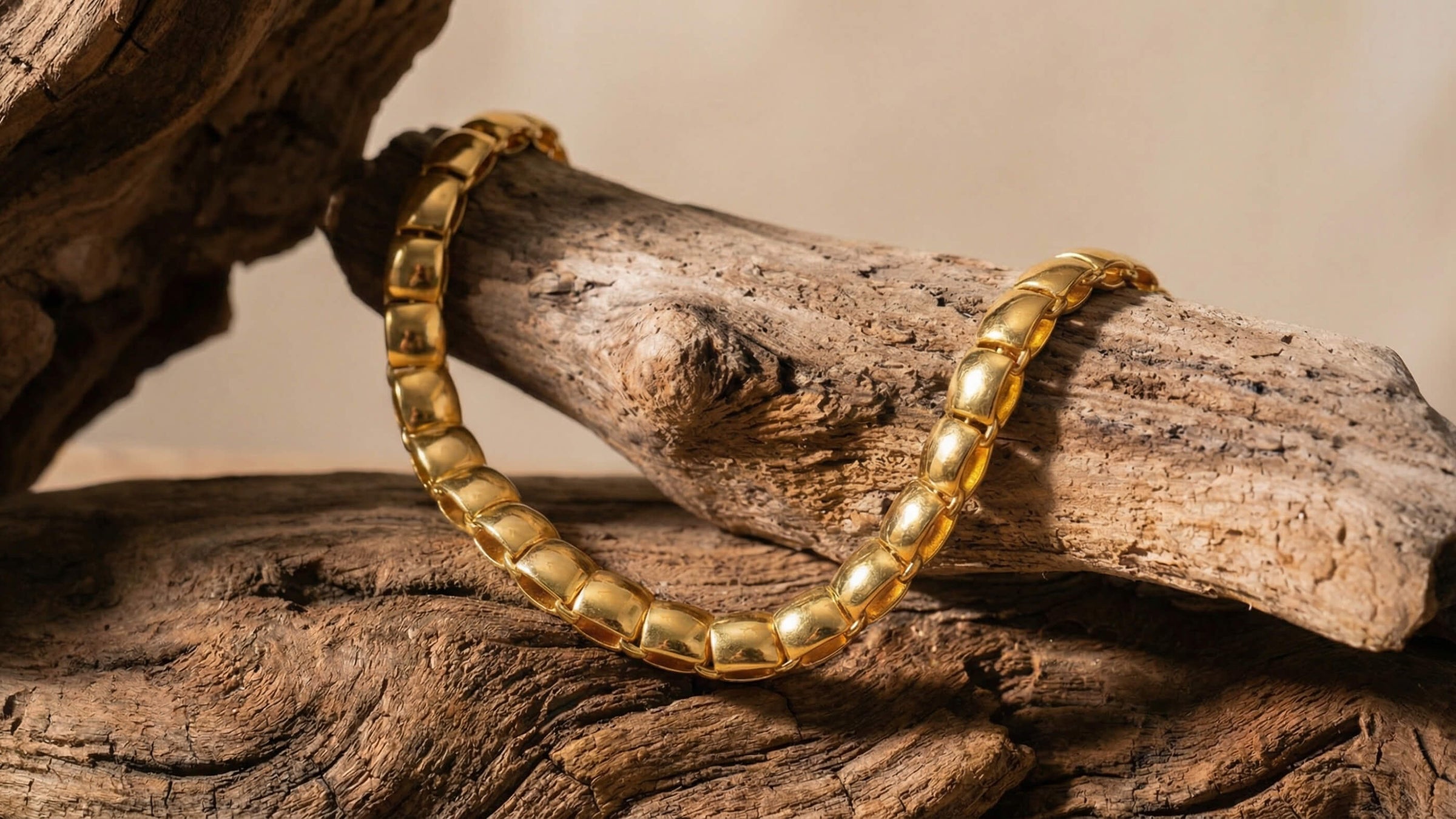
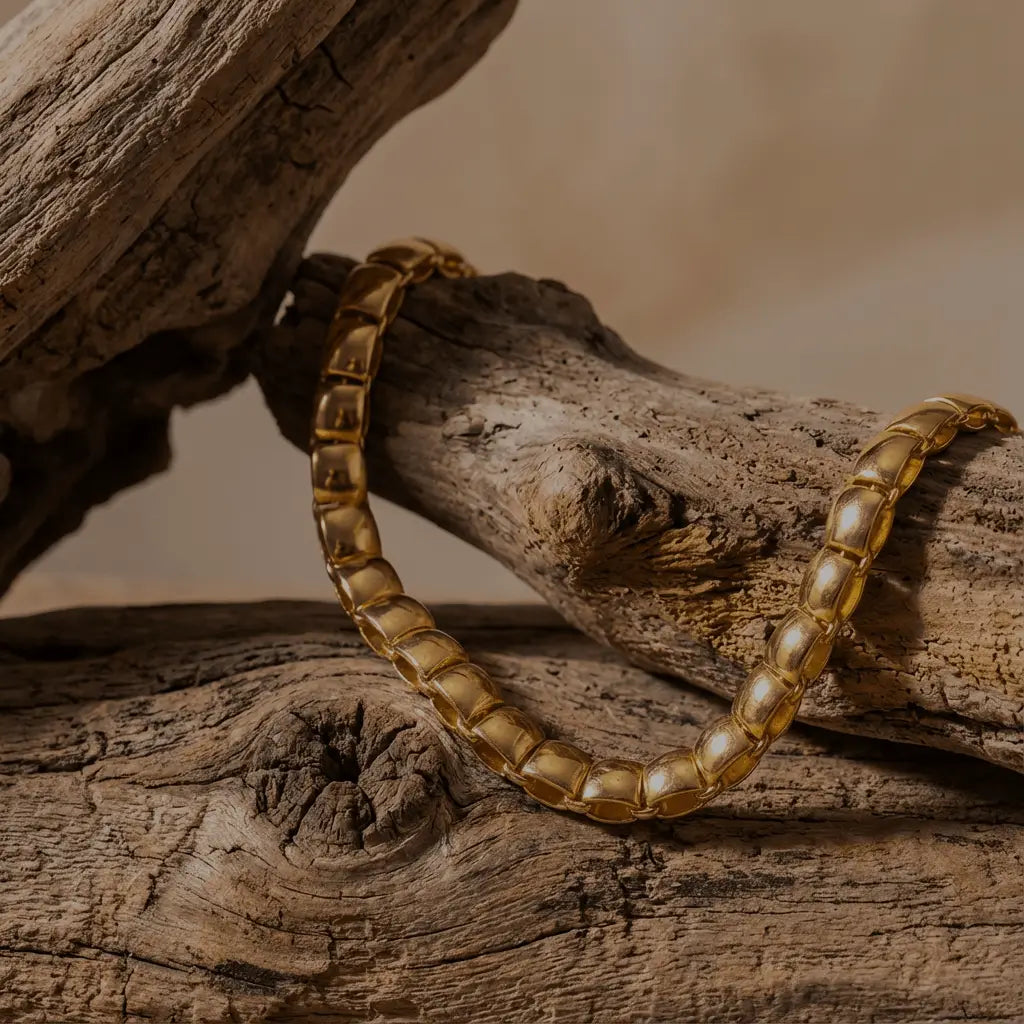
Chain Weaves 101: Foxtail vs. Bali vs. Persian vs. Thai — How to Choose a Bracelet That Lasts
If you love substantial, artisan‑made jewelry, chain weave bracelets are where design and engineering meet. This guide breaks down the most requested weaves at Zalori—foxtail, Bali, Persian (aka Byzantine), and Thai—so you can pick a bracelet that looks incredible now and still feels right years from today.
We’ll compare construction, drape, durability, and styling; show you when each weave shines; and point you to handcrafted options you can shop with confidence.
The quick cheat sheet

- Foxtail: Dense, fluid V‑pattern links that wear balanced and sleek; excellent everyday choice in 8 mm.
- Bali: Traditional hand‑braid with visible grain and heft; bolder presence, great at 9–12 mm.
- Persian/Byzantine: Sculptural, 4‑in‑1 pattern with mesmerizing texture; supple drape in mid to heavy gauges.
- Thai: Tighter, fortified look with a shield‑like vibe; reads structured and powerful in 8–12 mm.
- Want one‑and‑done? Start with an 8 mm foxtail for daily wear; size up for dramatic presence.
Foxtail: fluid movement, modern polish

Foxtail is a favorite because it balances strength with smooth, wrist‑hugging flow. Each section repeats a chevron‑like V pattern, creating a rounded profile that resists kinking and sits comfortably under sleeves. In sterling silver, foxtail catches light without shouting; in 18k gold it turns weight into a quiet statement.
When to choose it
- You want a refined daily piece that stacks well.
- You prefer a chain that won’t twist easily and feels substantial for its width.
- You like a clasp that disappears into the silhouette.
Shop the look: explore our 8 mm Vanguard – Foxtail Silver 2.0 Bracelet or go luminous with The Weave – Foxtail 18k Gold 2.0 Bracelet.
Bali: heritage texture, unmistakable presence
A Bali weave is handcrafted link by link to create a tight, braided rope with visible grain and satisfying weight. It reads artisanal and bold—perfect when you want your bracelet to anchor a look. More metal per millimeter means a Bali link can feel shorter on‑wrist; add a touch of allowance for effortless drape.
When to choose it
- You love hand‑worked detail you can see across the room.
- You want extra presence for evenings and events.
- You prefer a slightly relaxed fit for a 9–12 mm link.
Try a statement: our 12 mm Legend – Heavy Bali Silver 2.0 Bracelet delivers sculptural weight without sacrificing comfort.
Persian (Byzantine): intricate, supple, and endlessly wearable
Persian—widely known as Byzantine—is a classic 4‑in‑1 pattern: each link passes through four others to create a richly textured, flexible chain that drapes beautifully. Its geometry explains the mesmerizing movement; the alternating link direction gives depth without stiffness. For a gold heirloom with complexity, Persian is a timeless pick.
When to choose it
- You want maximum texture with elegant drape.
- You plan to dress it up or down for decades.
- You appreciate a design with historic roots.
See the craft up close in The Interlock – Persian 18k Gold 2.0 Bracelet. For background on how Byzantine links interlock, skim the concise overview on Byzantine chain.
Thai: fortified pattern, quiet strength
Thai‑inspired links form a tighter, shield‑like weave that reads structured and strong while remaining comfortable. It’s a great choice if you like the discipline of clean geometry with a modern edge. At 8 mm, Thai feels purposeful; at 12 mm, it becomes unmistakably bold.
When to choose it
- You favor a built‑to‑endure vibe.
- You want a weave that keeps its line under movement.
- You like a clasp that integrates seamlessly.
Experience it in our Armorer – Thai Silver 2.0 Bracelet or level up to The Armorer – Thai 18k Gold 2.0 Bracelet.
How to pick your weave (and width) for real life
Start with lifestyle. Daily desk‑to‑dinner wear calls for something smooth under sleeves (foxtail, Thai at 8 mm). Event‑forward styling rewards richer texture (Bali 9–12 mm, Persian in gold). Next, consider proportion: wider, denser links curve less tightly, so they “wear shorter.” When moving from a 4–6 mm chain to an 8–12 mm heavy link, add allowance so the bracelet drapes instead of perching.
Fit matters just as much as weave. Measure your wrist and add allowance by style—snug +0.25 in, comfort +0.5 in, relaxed +0.75–1.0 in—then adjust for width. Our step‑by‑step sizing walkthrough lives in the Bracelet Size Guide 2025. If you’re between sizes on substantial links, choose the larger so the pattern reads as intended.
Stacking? Let one anchor piece set proportion (often 7–9 mm), then layer slim textures around it. Mixed metals work—cool silver or rhodium‑bright finishes pair naturally with denim, charcoal, and white; yellow gold casts warmth against navy and camel.
Construction details that actually change wear
- Link architecture: Chains built from soldered, closed links generally resist failure better than designs made of interlocking parts alone. Jewelers often note that foxtail is harder to break than visually similar snake chains because of its link structure—useful when you carry a heavier pendant or prefer daily wear. Professional bench conversations on the topic are collected in the Ganoksin Orchid forum’s discussion of chain strength.
- Drape vs. rigidity: Persian/Byzantine offers high flexibility despite its complexity, which is why it sits beautifully across sizes. Bali and Thai read more structural; give them a touch more room to flow.
- Clasps: For precious‑metal bracelets, look for secure box or pusher clasps and, on diamond line styles, a secondary safety. The Gemological Institute of America’s primer on tennis bracelets explains why robust closures matter for daily wear.
Care and longevity: keep that glow
- Daily habits: Remove bracelets for lifting, contact sports, or chlorinated pools; sweat and abrasion accelerate wear.
- Cleaning: Use mild soap, lukewarm water, and a soft cloth. Skip harsh dips on oxidized finishes and avoid abrasives on mirror‑polished surfaces.
- Storage: Park pieces separately in soft pouches to prevent scuffs. Periodically check clasps and jump rings; a two‑minute inspection preserves decades of wear.
See and feel the difference with Zalori
Prefer refined flow? Start with Vanguard – Foxtail Silver 2.0.
Want heirloom complexity in gold? Explore The Interlock – Persian 18k Gold 2.0.
Crave bold, hand‑worked texture? The 12 mm Legend – Heavy Bali Silver 2.0 delivers.
Looking for a fortified, modern profile? See The Armorer – Thai Silver 2.0.
Or browse the full assortment in Men’s Bracelets to compare textures side by side.
FAQs
Which weave is strongest for everyday wear?
All four are durable when well‑made. Soldered link architectures (foxtail, Thai, Bali, Persian) tend to outperform designs built from many tiny interlocking parts. Jewelers frequently cite foxtail as a robust everyday choice thanks to its construction.
What width should I choose?
For daily wear, 7–9 mm feels substantial without being bulky. For event‑forward weight, 10–12 mm reads bold. Scale up or down based on wrist size and the look you want.
Will a heavy bracelet drag or flip?
If a clasp rotates inward, you likely need a touch more allowance. Heavier weaves also benefit from centered clasps or hidden pushers that distribute weight.
Can I stack different weaves?
Absolutely. Anchor with one signature weave and add slimmer chains for texture. Keep total weight comfortable and let finishes complement your wardrobe.
Ready to find your forever piece? Book a free virtual consult with our jewelry experts or head straight to Men’s Bracelets and compare handcrafted weaves in precious metals. When it arrives, you’ll feel the difference craftsmanship makes.
Related Articles
View all