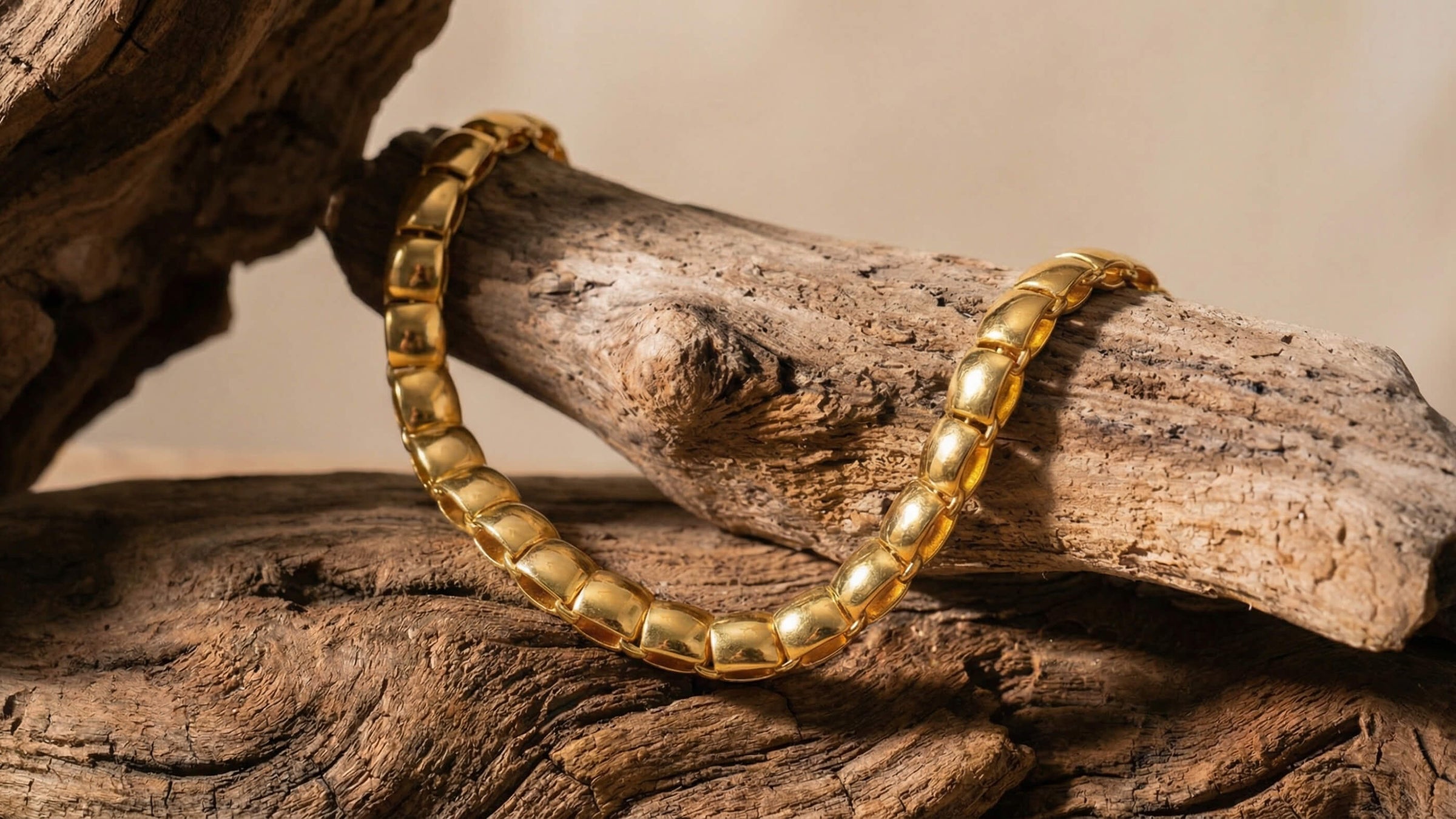
Silver's Secret Shine: Unveiling Oxidized Jewelry
Why Oxidized Silver is Jewelry's Best-Kept Secret
Oxidized silver jewelry offers a sophisticated alternative to bright silver, with an intentionally darkened finish for depth, character, and vintage appeal. This treatment gives sterling silver an antique aesthetic that's both timeless and contemporary.
Quick Facts About Oxidized Silver Jewelry:
- What it is: Sterling silver (92.5% pure) with a chemically-induced dark patina
- How it's made: Chemical process using sulfur compounds like liver of sulfur
- Key benefit: Low maintenance finish that hides natural wear and tarnish
- Durability: Surface treatment that evolves beautifully over time
- Cost: Often priced higher than plain silver due to additional craftsmanship
Unlike the uneven appearance of natural tarnish, oxidized silver features a controlled, uniform darkening that improves intricate details and creates striking contrast with gemstones. This finish is popular among those who appreciate vintage aesthetics without the fragility of true antique pieces.
The darkened patina is also remarkably forgiving, hiding the small scratches and signs of wear that are obvious on polished silver. As one jewelry expert notes, "Oxidized silver's darkened surface does not show tarnish as readily as polished silver," making it ideal for everyday elegance.
My work with Zalori and in the precious metals industry has shown me that oxidized silver appeals to discerning customers who value authentic craftsmanship. It perfectly marries traditional techniques with modern durability.

What is Oxidized Silver and How Is It Created?
When you hold a piece of oxidized silver jewelry, you're seeing the result of traditional craftsmanship meeting modern technique. At its heart, this is genuine sterling silver—a trusted blend of 92.5% pure silver and 7.5% other metals, usually copper, often marked as "925 silver."
The change from bright silver to a rich, dark finish is an intentional process. Jewelers create this distinctive look through controlled tarnishing, speeding up and managing the process with chemical compounds like liver of sulfur or potassium sulfide. When these chemicals meet the sterling silver, they form silver sulfide—the compound responsible for the dark patina.
This clever process is purely a surface treatment. The chemical reaction only affects the top layer, leaving the sterling silver underneath unchanged. Your piece remains genuine, high-quality silver, simply wearing a sophisticated dark coat.
Want to learn more about identifying genuine sterling silver? Our guide Is Your Silver Chain 925? A Buyer's Guide to Genuine Silver has everything you need to know.

The Science Behind the Shadow
The name "oxidized silver" is a slight misnomer. Unlike rust, which forms from oxygen exposure, this darkening happens through a controlled reaction with sulfides. It's more accurate to call it a patina.
This sulfur-based reaction allows for immense creativity. Jewelers can achieve everything from deep blacks to smoky grays, and sometimes even hints of blue or purple. More importantly, this controlled reaction is a powerful design tool. The dark background of oxidized silver jewelry makes intricate engravings and delicate patterns pop with incredible clarity, which might otherwise be lost in the shine of polished silver.
With oxidation, the dark recesses create stunning contrast against polished raised areas, giving the design depth and dimension.
For a deeper dive into this fascinating process, check out our comprehensive guide: What is Oxidized Silver? (Zalori Guide).
Natural Tarnish vs. Intentional Oxidation
There's a world of difference between natural tarnish and intentional oxidation. While both darken silver, their cause and appearance are completely different.
Natural tarnish is an uncontrolled reaction to environmental sulfur, resulting in uneven, blotchy dark spots or a dull film. It's unpredictable and generally considered undesirable.
Intentional oxidation, by contrast, is craftsmanship. Jewelers apply chemicals in a controlled manner to create a uniform, attractive dark finish. It's a deliberate aesthetic choice that improves the jewelry's beauty from the start.
| Feature | Natural Tarnish | Oxidized Silver |
|---|---|---|
| Appearance | Uneven, blotchy dark spots and dull patches | Uniform, controlled dark patina with rich depth |
| Cause | Uncontrolled reaction with environmental sulfur | Intentional chemical treatment by skilled jewelers |
| Desirability | Considered damage that needs removing | Sought-after aesthetic that improves design |
| Maintenance | Requires frequent polishing to eliminate | Low maintenance - the patina is meant to stay |
| Control | Random and unpredictable patterns | Precise and deliberately applied |
Think of natural tarnish as an accident, while oxidized silver jewelry is a masterpiece.
The Allure of the Antique: Benefits of Oxidized Silver Jewelry
The captivating depth of oxidized silver jewelry offers benefits that go far beyond aesthetics. Its most practical advantage is being refreshingly low maintenance. While polished silver demands constant attention, oxidized pieces accept their darkened character. Inevitable scratches and smudges that are obvious on bright silver simply blend into the rich, dark patina, making it forgiving and ready for daily life.
The dark finish also brings unique character to every piece, adding depth and dimension that polished silver cannot match. The oxidized surface creates natural contrast, making intricate engravings and textures pop with stunning clarity.
Furthermore, oxidized silver jewelry makes gemstones sing. The dark background acts like a velvet curtain, making diamonds sparkle brighter and colored stones appear more vibrant. It creates the perfect backdrop for gems to take center stage.
The aesthetic is undeniably edgy yet timeless, adapting beautifully to bohemian, gothic, or contemporary styles. It's jewelry for those who appreciate character over conformity. For more insights into what makes quality jewelry truly exceptional, explore our guide: Beyond the Bling: What Makes a Silver Chain Truly High Quality.

Why Choose Oxidized Over Polished Silver?
The choice between oxidized and polished silver often reflects lifestyle. Polished silver offers classic, mirror-like elegance but requires dedicated maintenance, as every fingerprint and scratch is visible.
Oxidized silver jewelry, however, is for those who find beauty in a vintage aesthetic without the fragility of true antiques. The darkened finish is inherently forgiving; what would be flaws on polished silver become part of its character. Its styling versatility is also remarkable, pairing beautifully with other metals for a mixed-metal look and complementing both bold and neutral outfits.
From a maintenance standpoint, oxidized silver is the clear winner. It ages gracefully without the need for constant polishing. The durability of the finish is another compelling factor. While it evolves over time, this aging process is part of its appeal, making each piece uniquely yours. Understanding quality materials is crucial when making this choice: The Material World: Uncovering the Secrets of True Quality.
Is Oxidized Silver More Expensive?
Oxidized silver jewelry can cost more than its polished counterpart, but the reason lies in artistry, not material value. The base 925 sterling silver is the same; the price difference comes from the additional labor and artisan skill required to create the darkened finish.
Creating a beautiful oxidized finish is a detailed process. It involves careful surface preparation and precise application of chemicals. Many pieces also feature selective polishing, where raised areas are brightened to create high-contrast effects that highlight the design. This intricate work requires a steady hand, an artistic eye, and considerable time, all contributing to the craftsmanship cost.
You're not just buying silver; you're investing in the skill that transforms it into something with depth and character. The value lies in the design improvement—the way oxidation brings out details, creates dramatic contrast with gemstones, and provides a distinctive aesthetic. This added visual impact and low-maintenance practicality often represent excellent value.
Living with Your Oxidized Silver: Wear, Care, and Restoration
One of the most fascinating aspects of oxidized silver jewelry is how it evolves with you. This isn't a flaw; it's a charming feature of the finish. The dark patina develops character based on how you live your life.
The patina wears differently depending on use. Rings and bracelets, which experience constant friction, will gradually lighten on raised areas, revealing glimpses of bright silver. Earrings and pendants, living a quieter existence, retain their dark finish much longer.
The recessed areas of any design—carved details or intricate patterns—hold onto their dark patina. This creates a stunning, personal contrast with the naturally polished high points, giving your jewelry a depth that's uniquely yours. This wear pattern tells your story, creating a patina no factory could replicate.

Best Practices for Caring for Oxidized Silver Jewelry
Caring for oxidized silver jewelry is simple: preserve the dark finish, don't polish it away. This means traditional silver care advice does not apply.
Avoid harsh chemicals. Silver cleaning dips, perfumes, lotions, chlorine, and household cleaners will strip the oxidized finish. Remove your jewelry before swimming, cleaning, or applying lotions and fragrances.
Gentle cleaning is sufficient. A soft, dry cloth is usually enough. For a deeper clean, use mild dish soap and lukewarm water, rubbing gently with your fingers. Avoid abrasive materials.
Dry thoroughly. After any water contact, dry your jewelry completely with a soft cloth to prevent unwanted changes to the patina.
Store smartly. Keep pieces separately in airtight containers or soft pouches to protect them from humidity and scratches.
Traditional polishing cloths and silver cleaners are off-limits. For comprehensive care guidance, see our guides: Sterling Silver Care 2025: How to Clean, Store, and Prevent Tarnish Without Harsh Chemicals and Jewelry Care 101: Your Complete Jewelry Care Guide for Gold, Sterling Silver.
Can a Worn Finish Be Restored?
Yes, if your oxidized silver jewelry has worn more than you'd like, the finish can be restored. Since oxidation is a surface treatment, it can be refreshed.
Professional re-oxidation is the best solution. A skilled jeweler has the right tools and expertise to reapply the darkening treatment, bringing back its original rich patina. This restoration ensures the new finish is properly applied and durable.
This means your oxidized silver jewelry can be a lifelong companion, maintaining its unique beauty for years with occasional professional touch-ups.
Styling and Selecting Your Perfect Piece
Oxidized silver jewelry is incredibly versatile, fitting in with bohemian, gothic, or contemporary looks while adding its own unique character.
The rich, dark tones act as a perfect grounding element. They create beautiful contrast when paired with bright clothing or add a sophisticated edge to neutral palettes. The real magic happens when mixing metals and materials. The dark backdrop makes gemstones pop with color and brilliance. Diamonds appear to dance, while colored stones like turquoise or garnet create stunning visual drama. A key styling secret is that oxidized silver jewelry pairs beautifully with yellow gold for a rich, multi-tonal look that feels both vintage and modern.
Layering is another way to create interest. Mix your oxidized pieces with brighter silver or gold jewelry to create depth and texture. The contrast between light and dark metals adds visual appeal without being overwhelming.
For those ready to explore unique styling options, check out our guide on Showing Oxidized Silver Bracelets for Unique Style or browse our complete collection of artisan jewelry.
Popular Styles of Oxidized Silver Jewelry
Certain styles perfectly showcase the special qualities of an oxidized finish. Intricate rings are showstoppers, as the dark patina settles into carved details, making patterns pop. Detailed pendants and necklaces are another favorite, with the dark metal creating a sophisticated backdrop that draws the eye.
Statement bracelets and bangles bring a bohemian or vintage touch, and the darkened surface conveniently hides minor scuffs from daily wear. We've seen how stunning stacked oxidized bangles can look—explore the possibilities in Womens Oxidized Bangles: Find Your Perfect Stack.
Ornate earrings, from studs to dangles, add artistic sophistication. The dark metal makes any set gemstones or diamonds appear even more vivid.
The common thread is that oxidized silver jewelry highlights intricate craftsmanship while creating dramatic contrast. It turns jewelry into wearable art with an aged elegance.
For those curious about the broader world of darkened silver finishes, you might enjoy this further reading on blackened silver.
Frequently Asked Questions about Oxidized Silver
At Zalori, we get many questions about this fascinating finish. Here are the most common ones.
Is oxidized silver real silver?
Yes, absolutely. Oxidized silver jewelry is genuine sterling silver (92.5% pure silver and 7.5% alloy metals) through and through. The oxidation is simply a surface treatment that gives the piece its dark, vintage character. It doesn't change the core properties, purity, or value of the sterling silver itself. When you wear an oxidized piece, you are wearing real, high-quality sterling silver.
Is oxidized silver safe to wear?
Oxidized silver jewelry is generally very safe to wear. The base metal is sterling silver, which has the same safety profile as any other quality silver jewelry. The chemicals used in the oxidation process are applied by skilled jewelers and are completely rinsed away before the piece reaches you. The primary consideration is any potential sensitivity to copper, which is part of the sterling silver alloy. At Zalori, all our pieces are nickel-free, making them suitable for most sensitive skin. If you can wear sterling silver without issue, you can wear its oxidized version.
How does the wear of oxidized silver become unique?
One of the best features of oxidized silver jewelry is how it becomes uniquely yours over time. As you wear your jewelry, areas that experience the most friction—such as the raised parts of a ring—will naturally brighten, revealing the sterling silver underneath. Meanwhile, the recessed details remain dark and dramatic.
Your body chemistry, activity level, and even how you store your jewelry contribute to a personal wear pattern. The result is an organic contrast that highlights the design's details and tells the story of your adventures. This gradual evolution makes your oxidized silver jewelry a true one-of-a-kind piece.
A Timeless Finish for Modern Style
Oxidized silver jewelry represents a special union of timeless craftsmanship and modern practicality. This is not a fleeting trend but a sophisticated choice for those who value both beauty and function.
The magic of oxidized silver jewelry lies in its unique benefits. It provides a coveted vintage aesthetic without the fragility of antique pieces, is remarkably low maintenance, and creates stunning contrast that makes gemstones sparkle and design details pop. What makes this finish truly special is how it evolves with you, developing a personal character as it's worn.
At Zalori, we are passionate about this finish because it embodies our philosophy. Our uncompromising standards for exceptional craftsmanship and meticulous selection of high-quality, authentic materials are evident in every oxidized piece we create. We believe jewelry should be a lasting investment that grows more meaningful over time.
Whether you're drawn to its bohemian elegance, gothic edge, or contemporary sophistication, oxidized silver jewelry offers lasting quality. With proper care, these pieces can become cherished heirlooms for generations to come.
Ready to find the lasting beauty of oxidized silver? Find your next heirloom piece in our collections and experience the Zalori difference for yourself.
Related Articles
View all