Crafted to Perfection: Understanding What Makes a Product Truly High Quality
Why High Quality Craftsmanship Defines True Luxury
High quality craftsmanship represents the pinnacle of skill, where passionate artisans transform superior materials into objects of enduring beauty and value. It's the difference between a product that merely functions and one that tells a story and becomes a treasured heirloom.
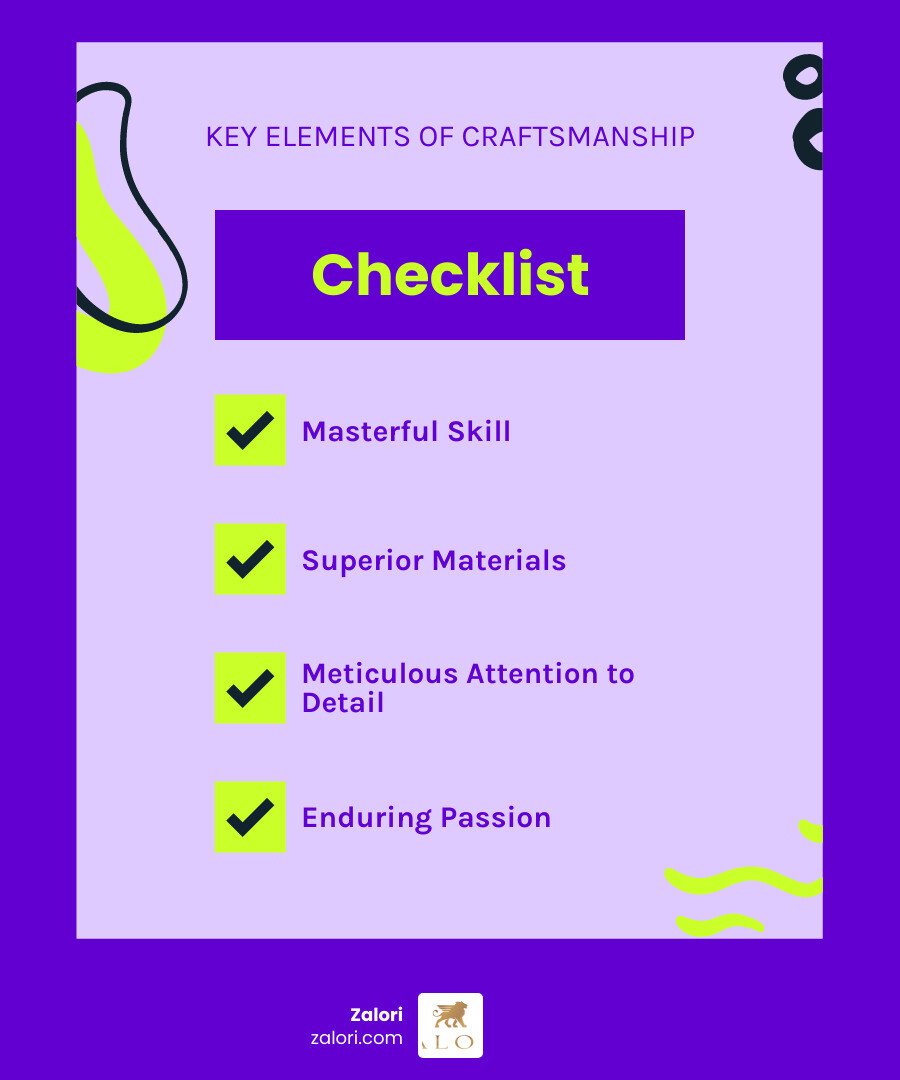
Key elements of high quality craftsmanship include:
- Masterful skill - Years of dedicated practice and expertise
- Superior materials - Carefully selected, authentic, premium components
- Meticulous attention to detail - Precision in every aspect, from hidden construction to visible finishing
- Enduring passion - The commitment to excellence that transcends fleeting motivation
In a world of mass production, true craftsmanship stands as a rare guide of authenticity. As one expert noted, "Craftsmanship is admirable because it is a rare commodity in a world of planned obsolescence, focusing on creating jobs that last for generations."
The luxury industry recognizes craftsmanship as a fundamental pillar, alongside focus, rarity, and history. It's a synonym for quality, authenticity, attention to detail, longevity, tradition, and heritage.
Yet many consumers struggle to distinguish genuine craftsmanship from clever marketing. With a growing shortage of skilled artisans, understanding what makes something truly well-crafted has never been more important.
I'm Eric Roach Zalori, founder of Summit Metals Holdings and Zalori. I've dedicated my career to understanding what separates exceptional products from mass-market alternatives and have seen how high quality craftsmanship creates lasting value.
The Core Elements of High Quality Craftsmanship
What separates an exceptional piece from something merely "handmade"? The answer lies in the core elements that define high quality craftsmanship. It demands a harmony of skill, materials, and unwavering attention to detail.
The Artisan's Touch: Skill, Passion, and Dedication
Behind every exceptional piece stands an artisan. These are craftspeople who have spent years perfecting their skills, understanding their materials, and developing a human touch that machines cannot replicate.
True mastery comes from consistent practice. As one perspective puts it, real professionals understand the art of showing up long after passion leaves. It's about pushing through challenges until repetition transforms into expertise.
A master jeweler setting a gemstone moves with precision born from thousands of hours of practice. They know how much pressure to apply and how to coax perfection from precious materials. This dedication separates true artisans from hobbyists.
The passion seen in exceptional craftspeople often grows from this deep engagement with their craft, a result of overcoming challenges and seeing tangible results.
The Foundation of Excellence: Superior Materials
You can't create something extraordinary from ordinary materials. Superior materials are the foundation of great craftsmanship. At Zalori, this principle guides our meticulous selection process.
Superior materials are chosen for their durability, authenticity, and inherent beauty. When selecting gold, we consider the differences between solid gold jewelry: 14k vs 18k vs 24k. For silver, we ensure genuine quality with our guide to is your silver chain 925? A buyer's guide to genuine silver.
The quality of raw materials is crucial. Poor materials lead to frustration, but starting with precious metals, genuine stones, and premium leather gives an artisan the tools to create something that lasts for generations.
This commitment means every piece isn't just beautiful today—it's built to maintain that beauty for decades.
The Devil in the Details: Meticulous Attention
To spot high quality craftsmanship, look at the details. The tiny elements most people miss are where masters reveal themselves.
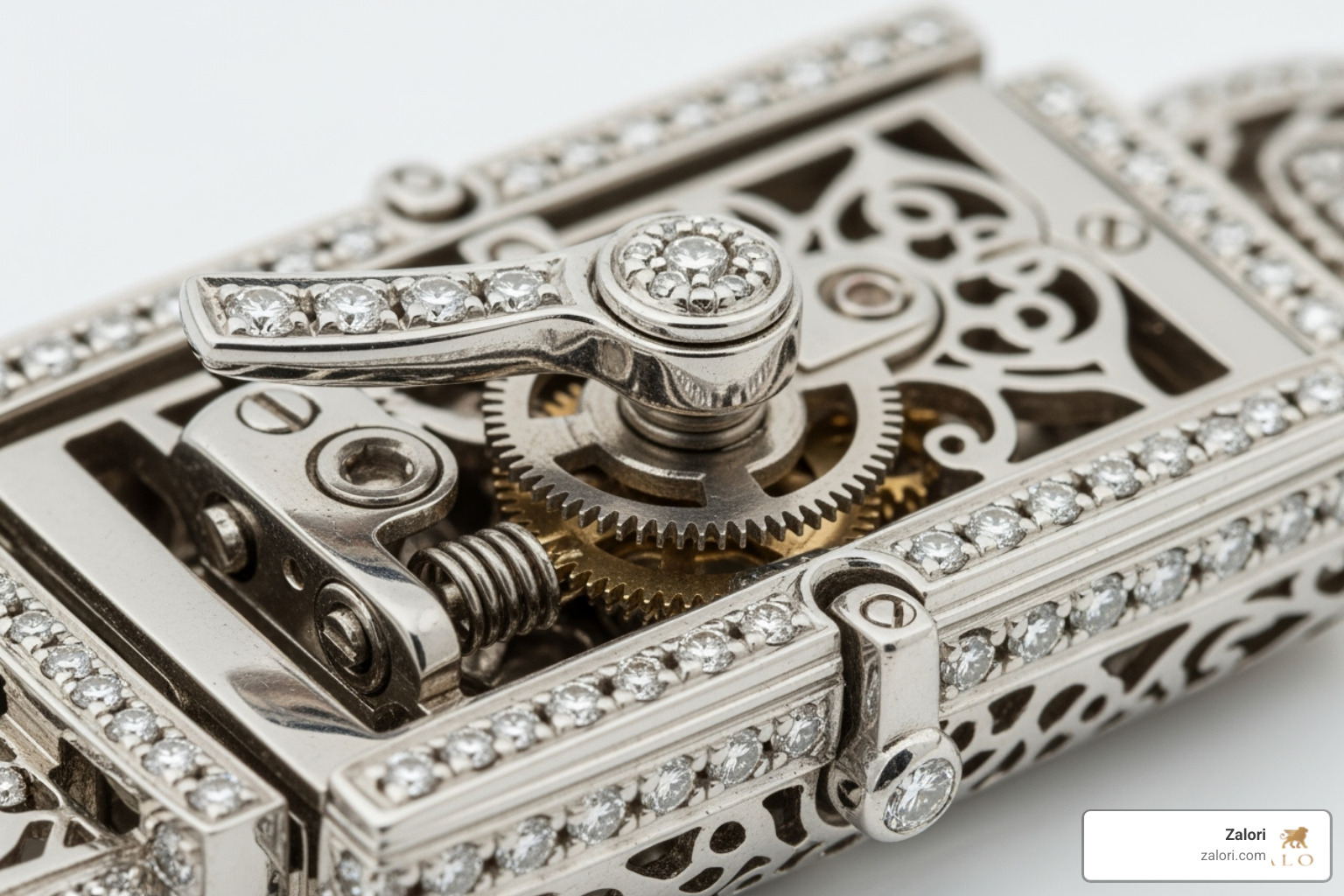
Consider a piece of jewelry. Notice how every facet is positioned perfectly to maximize light. See how the clasp closes with precision, or how the surface is polished to perfection. These details are the result of meticulous attention.
The most important details are often hidden. This hidden construction ensures durability. In jewelry, it's the setting's strength. In leather goods, it's the quality of the stitching that determines longevity.
This precision extends to functionality. A well-crafted clasp closes smoothly, a zipper glides effortlessly. When aesthetic beauty meets flawless functionality, you're experiencing true craftsmanship.
These details transform an object from something that merely functions into something that brings joy with every use.
The Enduring Value of Crafted Goods
When you choose high quality craftsmanship, you're investing in something with soul, story, and staying power—benefits mass-produced items can't offer.
Beyond the Price Tag: Tangible and Intangible Worth
The value of a crafted piece is both seen and felt. A key measurable benefit is longevity. Unlike items designed for planned obsolescence, crafted goods are built to last.
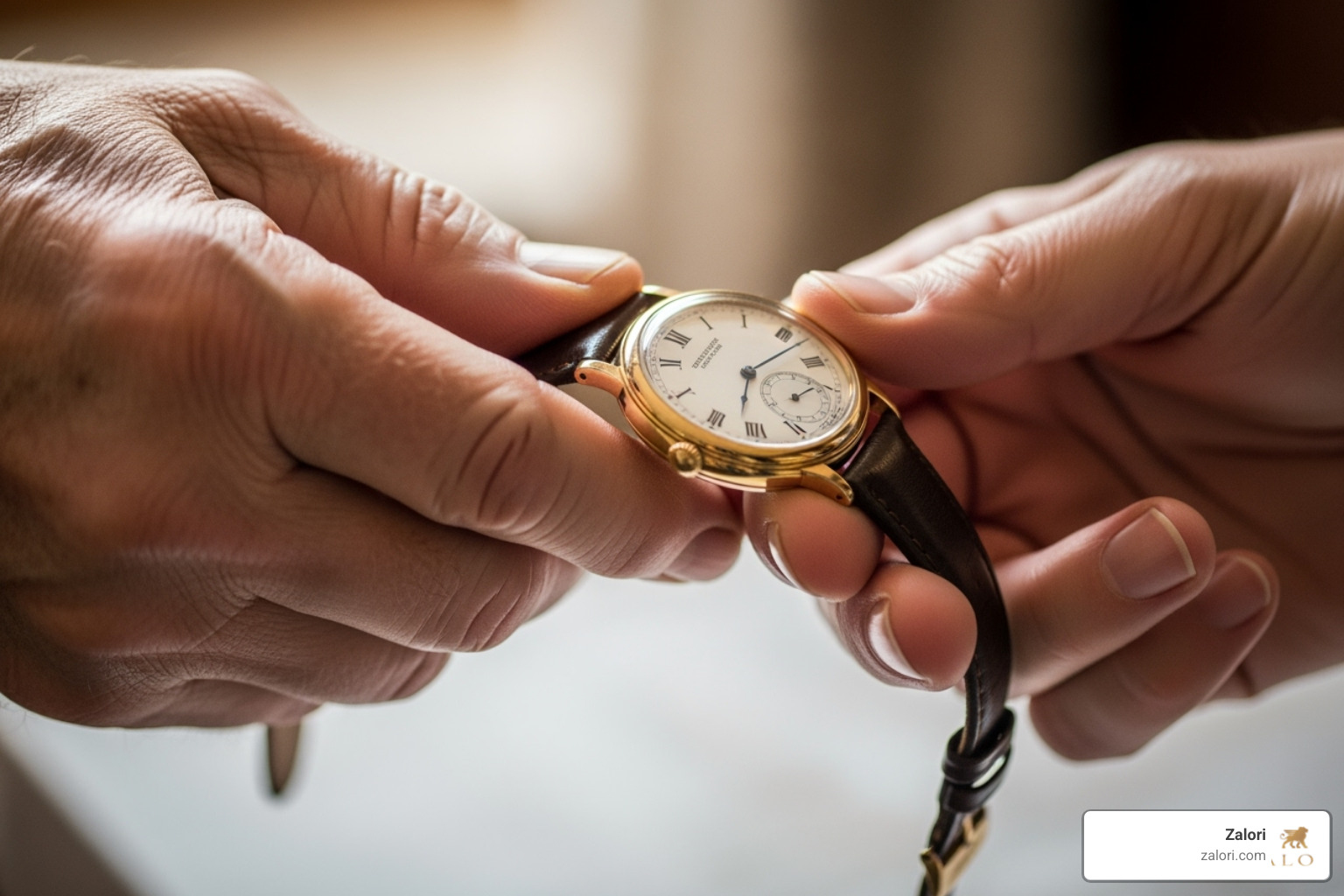
A well-crafted watch becomes a family heirloom. A handmade leather bag develops character with age. This durability makes your investment practical over time.
Then there's uniqueness. Each crafted piece carries subtle differences from the human touch, making it distinctly yours, unlike items from an assembly line.
Perhaps the most powerful value is intangible. An emotional connection develops when you own something created with care. You can feel the artisan's dedication in the piece's weight and smoothness.
Every crafted item has a story—of its creation, materials, and maker. This transforms an object into something meaningful. When you wear handcrafted jewelry, you carry a piece of human creativity with you.
Craftsmanship, Sustainability, and Ethical Choices
In a throwaway culture, high quality craftsmanship is a sustainable alternative. When something is built to last for generations, it naturally reduces waste.
Durability becomes sustainability. Instead of contributing to landfills, you invest in pieces that serve you for decades. A single, well-crafted leather handbag can replace dozens of fast-fashion alternatives.
Crafted items accept timeless design. Artisans focus on classic beauty and construction that remain relevant, encouraging conscious consumption—buying less, but better.
At Zalori, we take this commitment further through ethical sourcing of our precious metals, genuine stones, and quality leather. To learn more, read A Guide to Ethical Sourcing: How to Choose Jewelry That Aligns With Your Values.
When you choose crafted goods, you support a model that respects both resources and the people who shape them.
The Luxury Experience: Why High Quality Craftsmanship Matters
In the luxury world, high quality craftsmanship is essential. It separates true luxury from expensive mass production and justifies a premium investment.
Craftsmanship is a fundamental market differentiator. Newer brands can't replicate the depth of skill, quality materials, or attention to detail from refined techniques. As the What is Luxury? exhibition explored, luxury is often about the human story behind an object.
The premium price justification is clear when you understand what goes into each piece. You're investing in years of training, hours of work, and an artisan's wisdom. This creates a customer experience where you appreciate the how and why behind your purchase.
Brand heritage flows from this commitment. Consistent quality builds a reputation that becomes part of the brand's story. At Zalori, our standards honor the tradition of excellence that defines true luxury. High quality craftsmanship isn't just what we do; it's who we are.
The Future of Craft: Tradition Meets Technology
When you think of high quality craftsmanship, you might picture traditional tools, but today's craft is evolving, blending time-honored skills with modern innovation.
The future of craft isn't about choosing between old and new—it's about finding the perfect harmony. This evolution is creating "advanced craftsmanship," where technology improves rather than replaces the human touch.
Preserving a Legacy: The Challenges Facing Modern Artisans
Despite its appeal, traditional craftsmanship faces a serious challenge: a shortage of skilled artisans to carry on these arts.
The numbers are sobering. Italy needs 46,000 skilled artisans, France faces a shortage of over 10,000, and in the UK, over 200 traditional handicrafts are critically endangered. You can explore more Statistics on the craftsperson shortage to understand this challenge.
Why the shortage? Many view craftsmanship as an outdated profession, not realizing that master artisans command premium prices and enjoy fulfilling careers.
The solution requires industry-education collaboration. We need workshops for children, job shadowing for young adults, and greater visibility for craftspeople by celebrating their expertise and letting them sign their work.
Some luxury companies are establishing schools of craftsmanship. These institutions preserve unique skills and attract new talent with the promise of stable, well-paying careers.
Advanced Craftsmanship: The Synergy of Hand and Machine
Innovative artisans are embracing technology as a powerful ally. This partnership between human skill and digital precision is revolutionizing high quality craftsmanship.
In jewelry design, Computer-Aided Design (CAD) software allows artisans to create intricate designs with precision. They can visualize and adjust designs before using precious metal, reducing waste and opening up new creative possibilities.

3D printing takes this further. At Zalori, we use it to create detailed wax models for casting. The printer captures the digital design, ensuring the final piece is perfect. This technology doesn't replace our artisans; it frees them to focus on design refinement, quality control, and the intricate finishing work that gives each piece its soul.
This synergy improves precision and expands creative horizons. Artisans can iterate faster and explore complex geometries. The result combines modern accuracy with the artistry and intuition only human hands can provide.
The future of craftsmanship isn't about replacing artisans, but empowering them. Technology is another tool in their workshop, helping them create objects of even greater beauty and precision.
How to Recognize and Invest in True Craftsmanship
Learning to identify genuine high quality craftsmanship is a rewarding skill that helps you make smarter purchases and appreciate true artistry.
A Buyer's Guide to Identifying High Quality Craftsmanship
When shopping, use your eyes and hands. Examine the details closely. Edges should be smooth and refined. In jewelry, check that gemstones are perfectly aligned and that prongs are neat and secure.
The stitching on leather goods tells a story. Look for tight, uniform stitches. Hardware like clasps and zippers should feel substantial and operate smoothly. A flimsy clasp is a red flag.
Understanding materials is a secret weapon. Know the difference between 14k and 18k gold, why 925 sterling silver matters, and how to spot genuine leather. At Zalori, we are transparent about our high-quality materials and are happy to explain what makes them special.
Don't overlook weight and balance. A well-crafted piece has a satisfying heft from solid construction and quality materials. It won't feel cheap or hollow.
Don't be shy about asking questions. A reputable brand will welcome interest in their process. Ask about techniques, materials, and the story behind the piece. If they're evasive, that's a red flag. For custom work, understanding The Custom Design Process: Crafting Your Unique Piece helps you ask the right questions.
| Feature | Mass-Produced Jewelry | Handcrafted Jewelry |
|---|---|---|
| Materials | Often lower-grade, plated, or synthetic | Premium precious metals, genuine stones, pearls, authentic leather |
| Construction | Machine-stamped, molded, glued; visible seams | Hand-finished, soldered, set; intricate, often invisible joints |
| Details | May have rough edges, inconsistent finishes, weak clasps | Flawless polishing, precise stone setting, secure, neat closures |
| Uniqueness | Identical to thousands of others | Unique, subtle variations, often customizable |
| Durability | Designed for trends, prone to wear and breakage | Built to last, often heirloom quality |
| Human Touch | Minimal | Evidence of artisan's skill and care |
Caring for Your Crafted Treasures
Caring for items of high quality craftsmanship is part of the joy of owning them. A little regular attention ensures they thrive for years.
Proper maintenance starts with understanding your item's materials. Different materials have different needs. Our Jewelry Care 101: Your Complete Jewelry Care Guide for Gold & Sterling Silver takes the guesswork out of it.
Gentle cleaning is key. For most jewelry, a soft cloth with mild soap and water is fine. However, pearls and some gemstones need special treatment, so always check first. Avoid harsh chemicals like bleach or ammonia.
Proper storage makes a huge difference. Give each piece its own space in a soft pouch or lined box to prevent scratching. Keep jewelry away from extreme temperatures and humidity, like in a steamy bathroom.
Avoid chemical exposure. Remove jewelry before swimming (chlorine is damaging), cleaning with household chemicals, or applying perfumes and lotions.
Regular inspections are crucial. Every few months, check clasps and stone settings. Catching a loose stone early can prevent its loss. For precious pieces, professional servicing every few years is recommended.
Proper care preserves the artisan's work and ensures beauty and function for generations, a small investment of time for lasting value.
Frequently Asked Questions about Craftsmanship
When exploring high quality craftsmanship, certain questions naturally come up. Here are the most common ones.
Does "handcrafted" always mean high quality?
The answer is absolutely not. "Handcrafted" simply means human hands were involved; it doesn't automatically guarantee excellence.
Anyone can create something by hand, but that doesn't make them a master. High quality craftsmanship is a higher standard, demanding exceptional skill, superior materials, and meticulous attention to detail.
Many "handcrafted" items are poorly executed. The human touch alone isn't enough; it takes years of dedication and mastery to achieve high-quality craftsmanship.
Why are crafted items more expensive?
The price difference between mass-produced and crafted items can be surprising, but it reflects a smart investment.
The higher cost reflects three major factors: time, skill, and materials. A single crafted item can take hours or weeks of an artisan's focused attention. At Zalori, our items go through multiple stages of careful work.
Then there's master-level skill. You're investing in an artisan's decades of experience and expertise, which is invaluable.
Finally, we use only premium materials like precious metals and genuine stones. These cost more than mass-production alternatives but provide durability and lasting beauty.
When you look at it this way, you're investing in something that will last and hold its value.
How is craftsmanship different from just being "custom-made"?
These two concepts are often confused but are quite different.
"Custom-made" refers to personalization—creating something to your specific requirements, like a shirt made to your measurements or jewelry with a specific gemstone.
Craftsmanship, on the other hand, is about the quality of execution—how skillfully and carefully something is made, whether it's custom or not.
For example, a custom-made shirt can lack high quality craftsmanship if the stitching is sloppy or the fabric is cheap. Conversely, a non-custom piece can exhibit exceptional skill.
The ideal is combining both: a custom piece that also showcases superior craftsmanship. This is what we strive for at Zalori.
Conclusion
In a world of disposable goods, choosing high quality craftsmanship is a declaration of values. It's a choice for products with meaning, stories, and the promise to last for decades.
When you invest in crafted goods, you support dedicated artisans. You choose sustainability, authenticity, and lasting beauty over fleeting trends. It's a stand against throwaway culture.
The knowledge of skilled artisanship, superior materials, and meticulous attention to detail makes you a discerning connoisseur. You now understand why a piece feels substantial, why it catches the light, and why it improves with age.
These are investments in pieces that will serve you faithfully and may become treasured heirlooms. There's magic in owning something created with such care.
At Zalori, this is our philosophy. We believe luxury is found in design integrity, authentic materials, and the skill of our artisans. Every item we create is proof of what high quality craftsmanship can achieve.
When you hold a Zalori piece, you experience the result of traditional techniques, premium materials, and dedicated work. Our jewelry is built to be part of your story.
Ready to experience the difference that genuine artistry makes? Explore our collections of expertly crafted jewelry and find pieces designed to be treasured for generations. Because true craftsmanship never goes out of style.
Related Articles
View all