Unearthing Conscience: 15 Ethical Jewelry Brands for a Sustainable Sparkle
Why Ethical Jewelry Brands Matter More Than Ever
Ethical jewelry brands are changing an industry historically marred by environmental devastation and human rights violations. These conscious companies prioritize recycled metals, conflict-free gemstones, fair labor practices, and transparent supply chains to create beautiful pieces without compromising people or planet. The best brands stand out by using lab-grown diamonds, empowering artisans with fair wages, donating to charitable causes, and committing to 100% recycled or Fairmined materials.
The numbers tell a compelling story. 67% of consumers are willing to pay more for sustainable products, while the market for lab-grown diamonds is projected to reach $15 billion by 2030. Using recycled gold reduces environmental impact by up to 99% compared to newly mined gold.
Yet behind every glittering display case lies a harsh reality. Traditional jewelry mining has funded armed conflicts, displaced indigenous communities like Botswana's Bushmen, and released toxic chemicals into water systems. One mined carat of gold releases 57 kg of carbon into the atmosphere.
The good news? A new generation of brands is proving that luxury and ethics can coexist beautifully. From mercury-free gold sourced by indigenous women to diamonds with fully traceable origins, these companies are redefining what "precious" truly means.
I'm Eric Roach Zalori, a serial venture capitalist who has launched multiple companies acquired by entities like Morgan Stanley. Through Summit Metals Holdings and Zalori, I've dedicated my career to providing high-quality precious metals and ethical jewelry brands that prioritize lasting craftsmanship over mass production. This expertise has given me deep insight into what separates truly ethical brands from those simply capitalizing on trends.
The Hidden Cost of Glamour: Why Traditional Jewelry Needs a Makeover
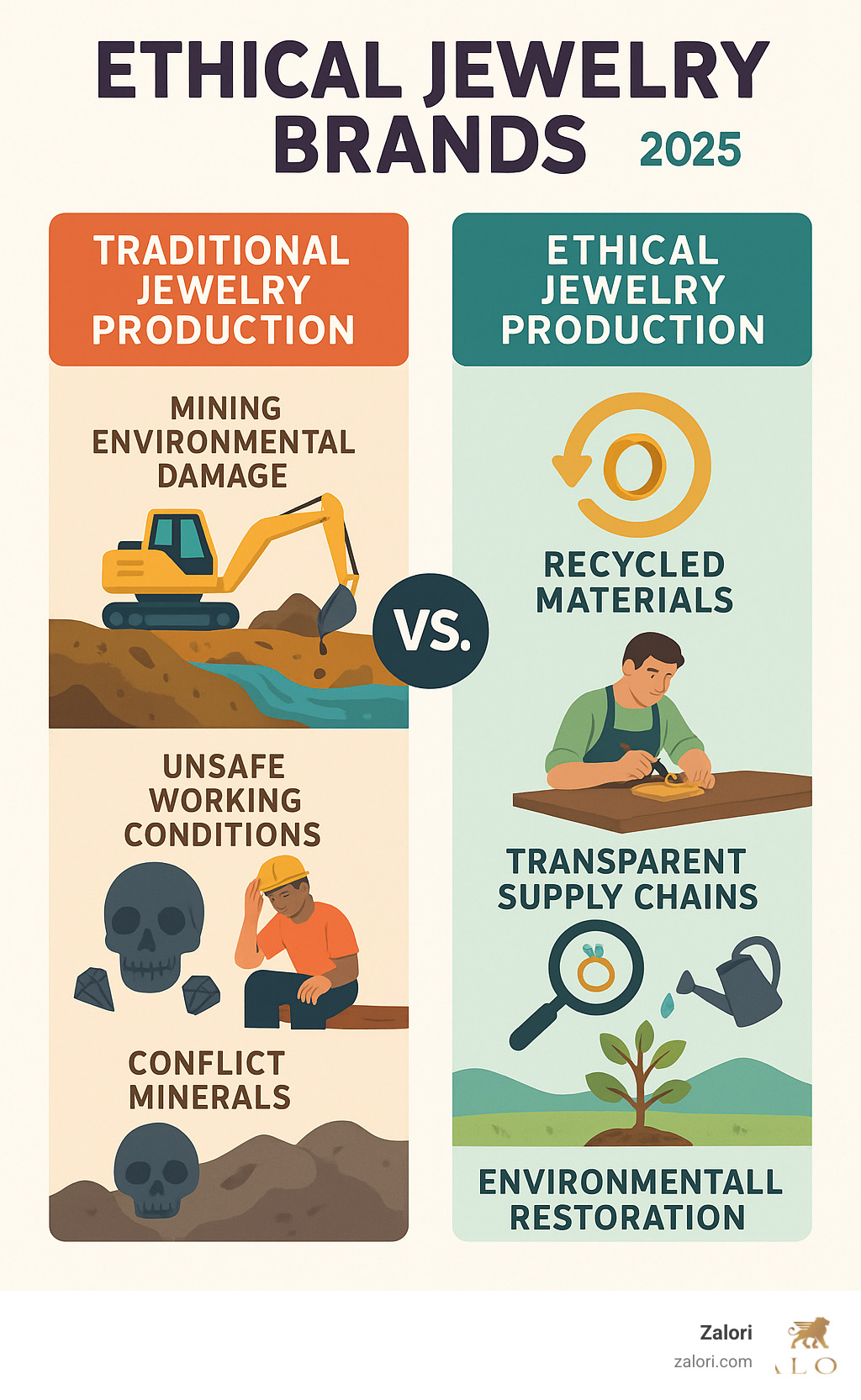
When you gaze at a beautiful piece of jewelry, perhaps a sparkling diamond ring or a gleaming gold necklace, what story does it tell? For too long, the traditional jewelry industry has hidden a less-than-glamorous truth. It's a story of significant environmental harm and deeply concerning human rights issues. This is why traditional jewelry truly needs a makeover.

Environmental Damage
Imagine the sheer scale of digging required to find precious metals and gemstones. This process is incredibly demanding on our planet. It often follows a "take-make-waste" approach, leaving behind a troubling legacy of environmental harm.
One major concern is water pollution. Mining, especially for gold, can release incredibly harmful substances like arsenic, lead, mercury, and cyanide into our water sources. These toxic chemicals can contaminate rivers and groundwater, posing severe risks to both delicate ecosystems and human health. Even artisanal mining, while providing livelihoods for many, often uses mercury without proper safety measures, making this problem even worse. You can learn more about the dangers of leeching toxic chemicals in mining.
Then there's deforestation. Large-scale mining operations are a big reason why our precious forests are disappearing. Between 2000 and 2019, an alarming 80% of tropical deforestation in countries like Brazil, Indonesia, and Ghana was due to such activities. Losing these forests means losing vital habitats, reducing biodiversity, and contributing to climate change. Beyond pollution and deforestation, mining can also cause extensive land degradation, leaving behind huge open pits and toxic waste that make the land unusable for farming or anything else.
Human Cost
The impact on people from traditional jewelry production is just as serious, marked by conflict and exploitation.
You've likely heard of conflict minerals, particularly "conflict diamonds," which became notorious for funding armed conflicts, especially in Africa. While initiatives like the Kimberley Process aimed to stop this, its definition of "conflict" often misses other serious human rights abuses. It's not just diamonds; other minerals can also be linked to illegal trade and violence, perpetuating cycles of hardship.
Many miners, especially in artisanal and small-scale operations, work in incredibly unsafe conditions. They often lack basic safety gear, fair wages, and access to healthcare. Sadly, child labor remains a persistent issue in some mining regions, robbing children of their childhood and future.
Perhaps one of the most heartbreaking impacts is on indigenous communities. When valuable minerals are finded, it often leads to the displacement and exploitation of these communities, who have lived on their land for centuries. A stark example is the indigenous Bushmen of Botswana, who faced evictions from their ancestral lands due because of diamond mining. This doesn't just disrupt their way of life; it strips them of their cultural heritage and traditional lands. Read more about the impact on indigenous communities.
These harsh realities show us why, as consumers, we need to look beyond the immediate sparkle. We have the power to demand better from the jewelry industry and support ethical jewelry brands that are actively working to heal these harms and create a truly responsible path forward.
What Defines the Best Ethical Jewelry Brands?
The good news is that a growing number of ethical jewelry brands are committed to changing this narrative. They're addressing the environmental and ethical concerns of traditional production through a holistic approach that touches every aspect of their business - from the materials they choose to how they treat their workers.
Sustainable Materials
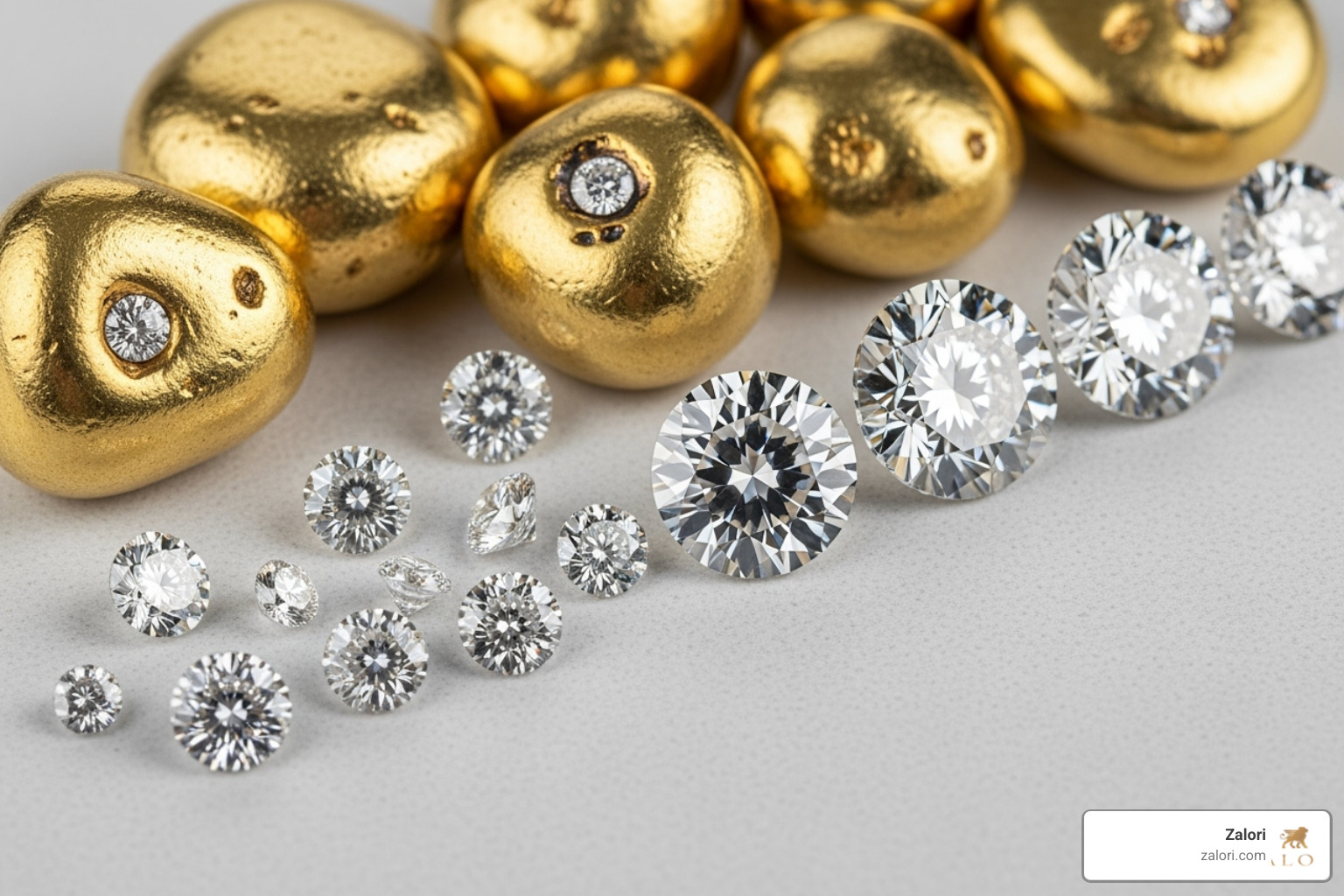
The foundation of ethical jewelry starts with what goes into each piece. Smart brands are revolutionizing how they source their materials, proving that luxury doesn't have to come at the earth's expense.
Recycled metals are becoming the gold standard - literally. When brands use recycled gold and silver, they're cutting environmental impact by up to 99% compared to newly mined gold. It's remarkable how old cell phones can be transformed into beautiful wedding bands, or how vintage jewelry can find new life in contemporary designs. This circular approach means precious metals can be reused almost endlessly.
Lab-grown diamonds are another game-changer. These gems are chemically, physically, and optically identical to mined diamonds, but they're created in controlled environments without the social and environmental baggage. The market for lab-grown diamonds is projected to reach $15 billion by 2030, and some are even created using carbon capture technology or powered by 100% renewable energy.
For colored gemstones, the best ethical jewelry brands go the extra mile to ensure ethically sourced gemstones. This means partnering with mines that follow strict labor and environmental standards, supporting small-scale artisanal miners, and maintaining full traceability from mine to market. Some brands source sapphires from operations in Malawi that actively protect the environment, while others work with the Tanzania Women Miners Association to empower women miners.
Fair Labor Practices
Ethical jewelry isn't just about what comes from the earth - it's about the people who bring these pieces to life. The best brands understand that living wages aren't just nice to have; they're essential. When workers throughout the supply chain receive fair compensation, it empowers entire communities and creates lasting positive change.
Safe working conditions go hand in hand with fair wages. Ethical brands advocate for proper equipment, training, and healthcare access for their workers. Many go even further, investing in community development, education initiatives, and long-term partnerships that benefit workers' families.
Supply Chain Transparency
Here's where things get really interesting. True transparency means knowing exactly where every material comes from - and being willing to share that information with customers. The best brands maintain rigorous documentation, conduct regular audits, and some even use digital product passports for complete traceability.
This openness builds trust and allows for real accountability. When brands share their B Corp scores or sustainability assessments, they're showing customers that the journey to ethical perfection is ongoing - and they're committed to continuous improvement.
Key Certifications
Certifications serve as independent proof that brands are walking the walk, not just talking the talk. B Corporation certification is particularly meaningful - it requires companies to meet rigorous standards across social and environmental performance, accountability, and transparency.
Fairmined certification ensures gold comes from artisanal and small-scale mining organizations that meet world-leading standards for responsible practices. This includes environmental protection, fair labor conditions, and community development.
The Kimberley Process aims to prevent conflict diamonds from entering the mainstream market. However, it's important to understand its limitations - the definition of "conflict" is narrow and doesn't cover broader human rights abuses or environmental damage. The best ethical brands go well beyond KP compliance.
Circularity
Forward-thinking brands are embracing circularity to ensure their pieces have long, meaningful lives. This means offering repair services to help customers maintain their jewelry for decades, not just years. Some brands run take-back programs, accepting worn pieces for recycling and melting down old metal to create new items.
Heirloom redesign services are particularly beautiful - they allow customers to transform existing pieces into new designs while preserving their sentimental value. It's a wonderful way to honor the past while embracing the future.
The challenges facing ethical jewelry - like tracing small melee diamonds or sourcing large, fully traceable stones - are spurring incredible innovation. Advances in blockchain technology, material science, and lab-grown alternatives are making the entire industry more transparent and responsible. It's an exciting time to be part of this change.
A Curated List of Top Ethical Jewelry Brands
1. Zalori: Setting the Standard for Ethical Jewelry
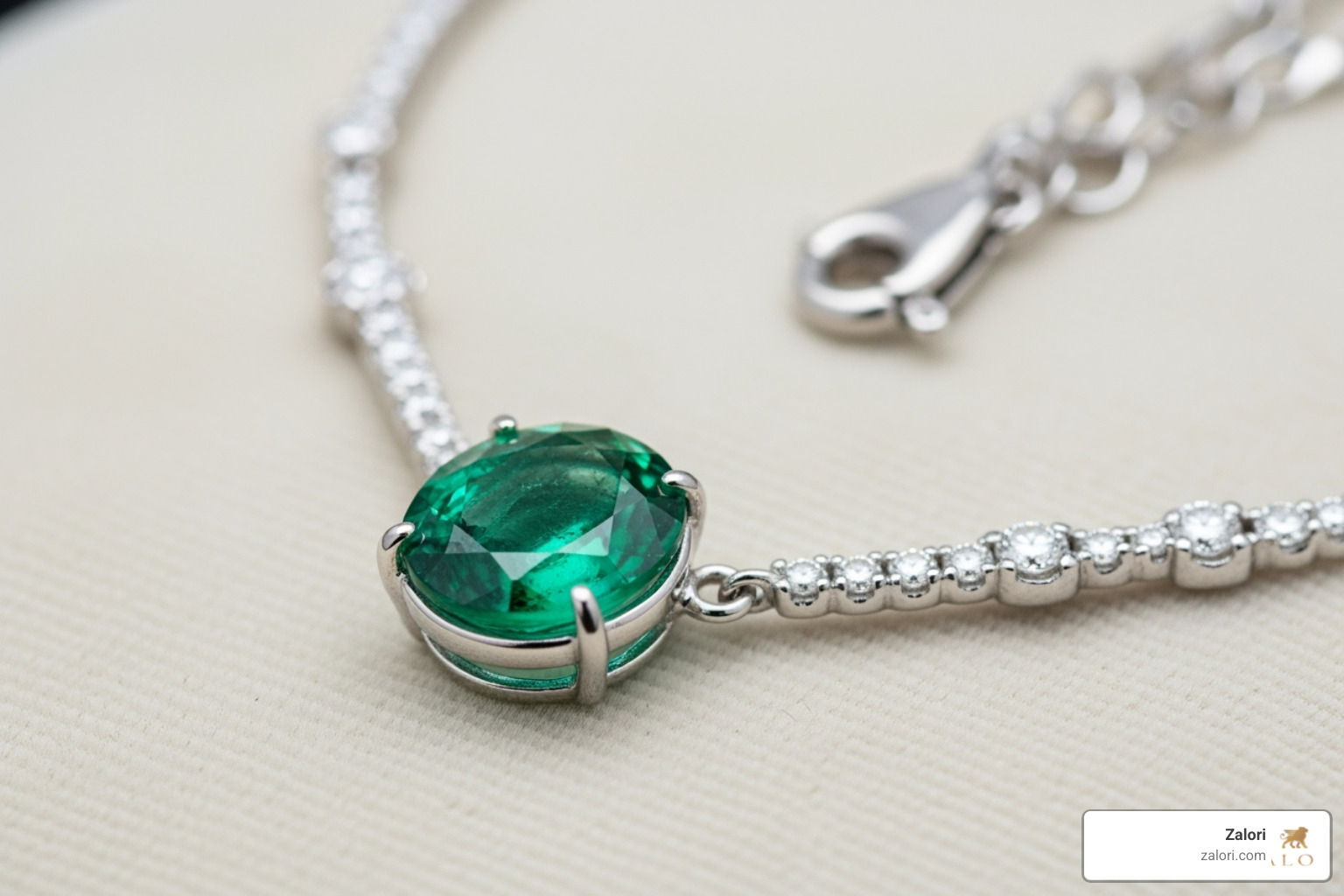
Focus: At Zalori, we believe true luxury stems from uncompromising standards for exceptional craftsmanship and the meticulous selection of high-quality, authentic materials. Our commitment to ethical practices is woven into every facet of our operation. We prioritize conflict-free and traceable gemstones, ensuring their journey from mine to market is transparent and responsible. Our use of recycled precious metals significantly reduces environmental impact, supporting a circular economy. We are dedicated to transparent sourcing, building a legacy of beauty that respects both people and planet.
Shop Zalori Ethical Jewelry
2. Brands Focused on Heritage & Artisan Empowerment
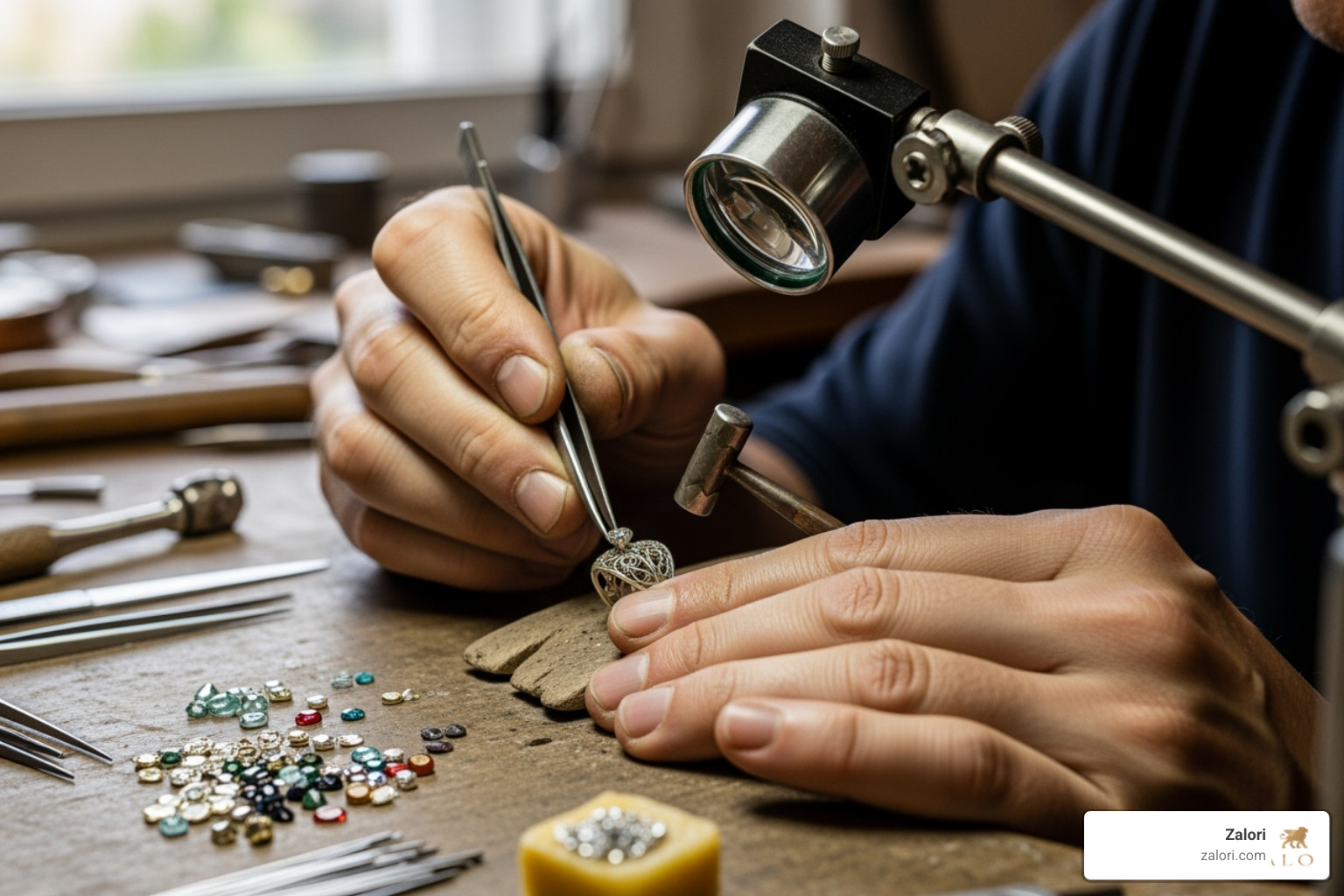
Focus: These brands champion the empowerment of global artisans, ensuring fair wages and safe working conditions. They celebrate traditional techniques passed down through generations, crafting unique pieces from sustainably sourced materials that tell a story of cultural preservation and skilled craftsmanship.
3. Brands Championing 100% Recycled Metals
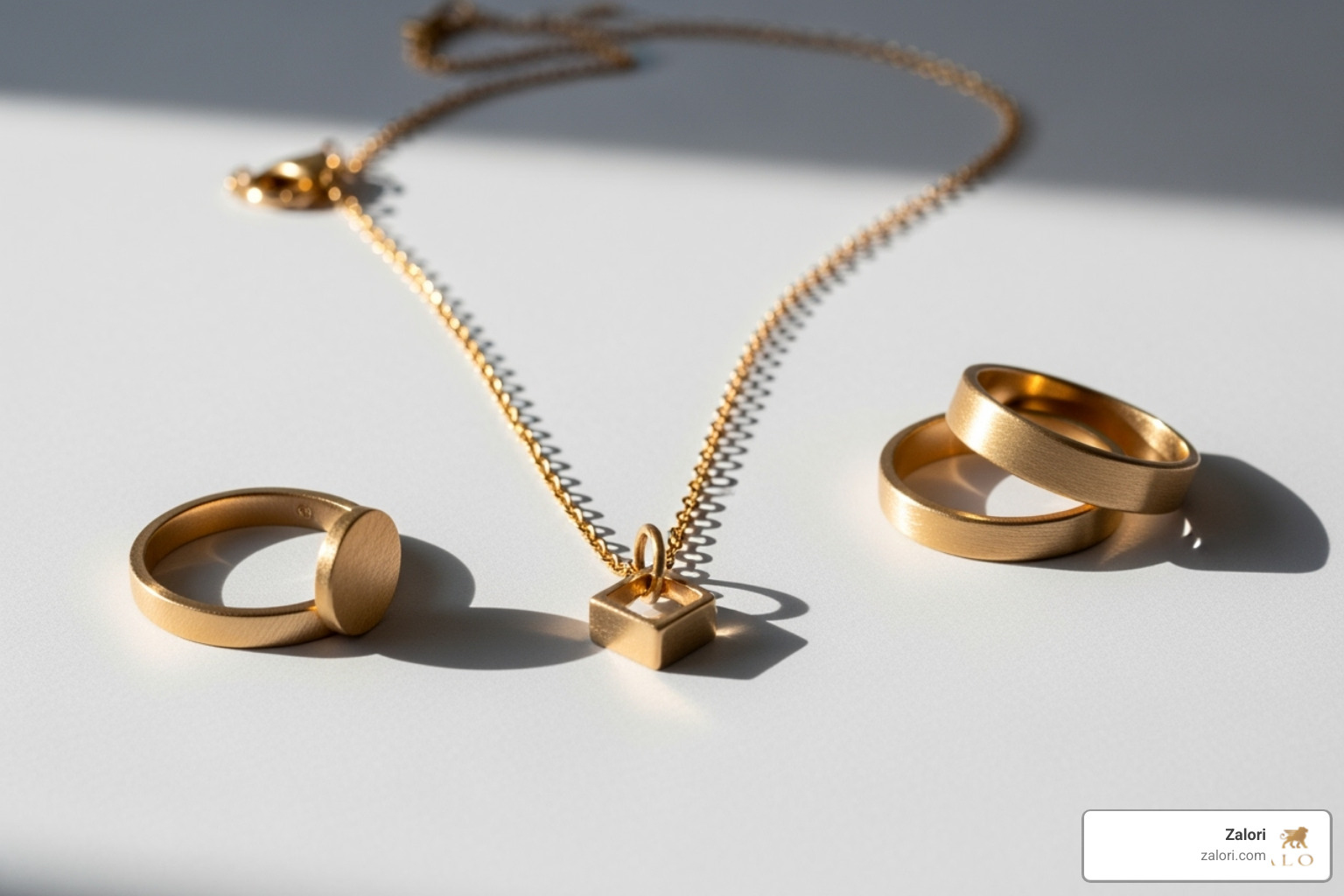
Focus: These companies are dedicated to minimizing environmental impact by exclusively using 100% recycled gold and silver. Their minimalist designs are timeless, and they carefully source all gemstones to meet the highest ethical standards, ensuring beauty without compromise.
4. Brands Innovating with Lab-Grown Diamonds

Focus: Specializing in modern elegance, these brands focus on lab-grown diamonds, offering a brilliant and ethical alternative to mined stones. They combine these with recycled metals and strive for carbon-neutral production, making them leaders in eco-conscious fine jewelry.
5. Brands Offering Custom & Inclusive Designs
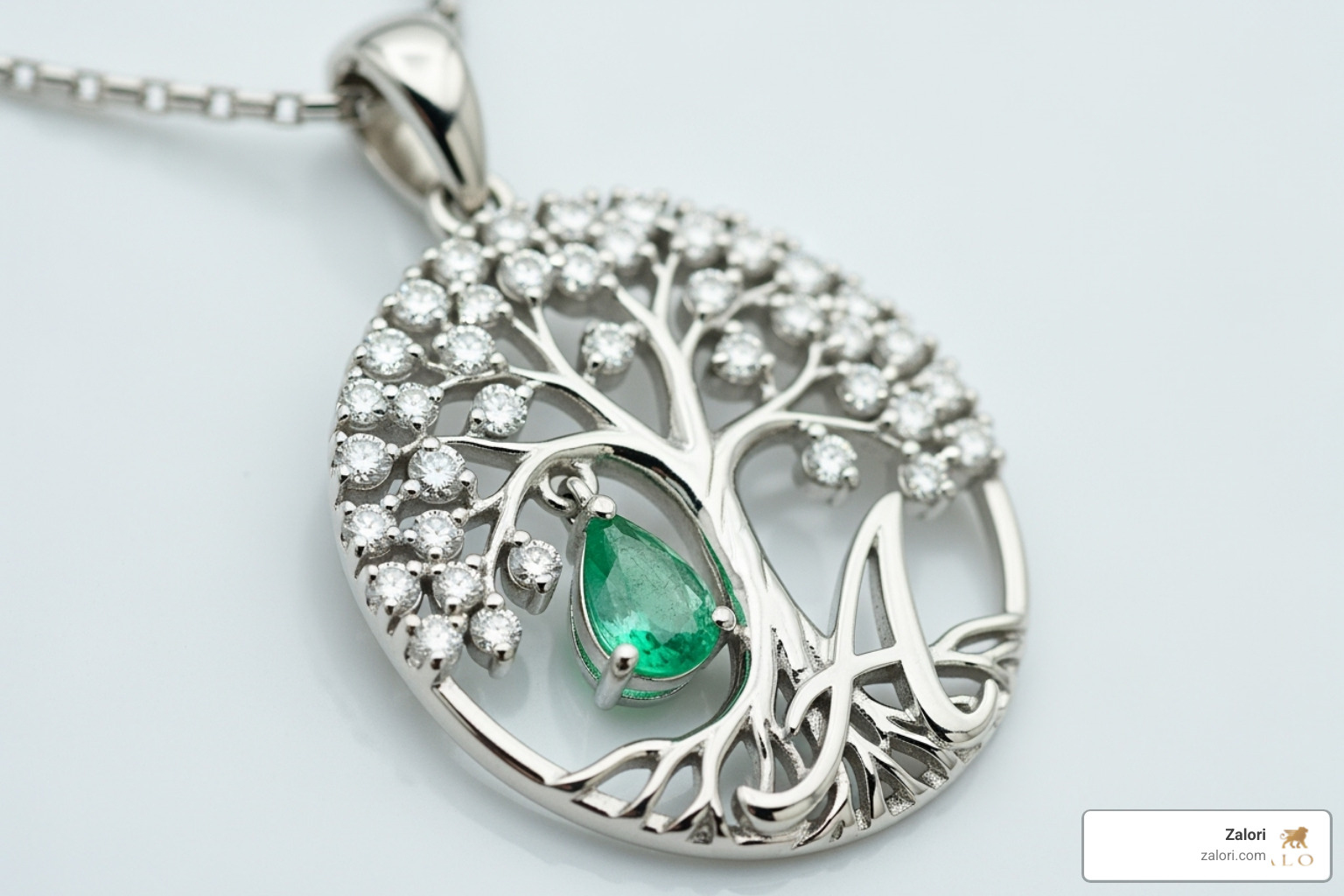
Focus: These jewelers excel in creating deeply personal custom designs. They commit to using Fairmined gold and fully traceable gemstones, ensuring every piece reflects both individual style and ethical integrity. Their collections are also thoughtfully inclusive, celebrating all identities.
6. Brands with a Modern, Urban Aesthetic
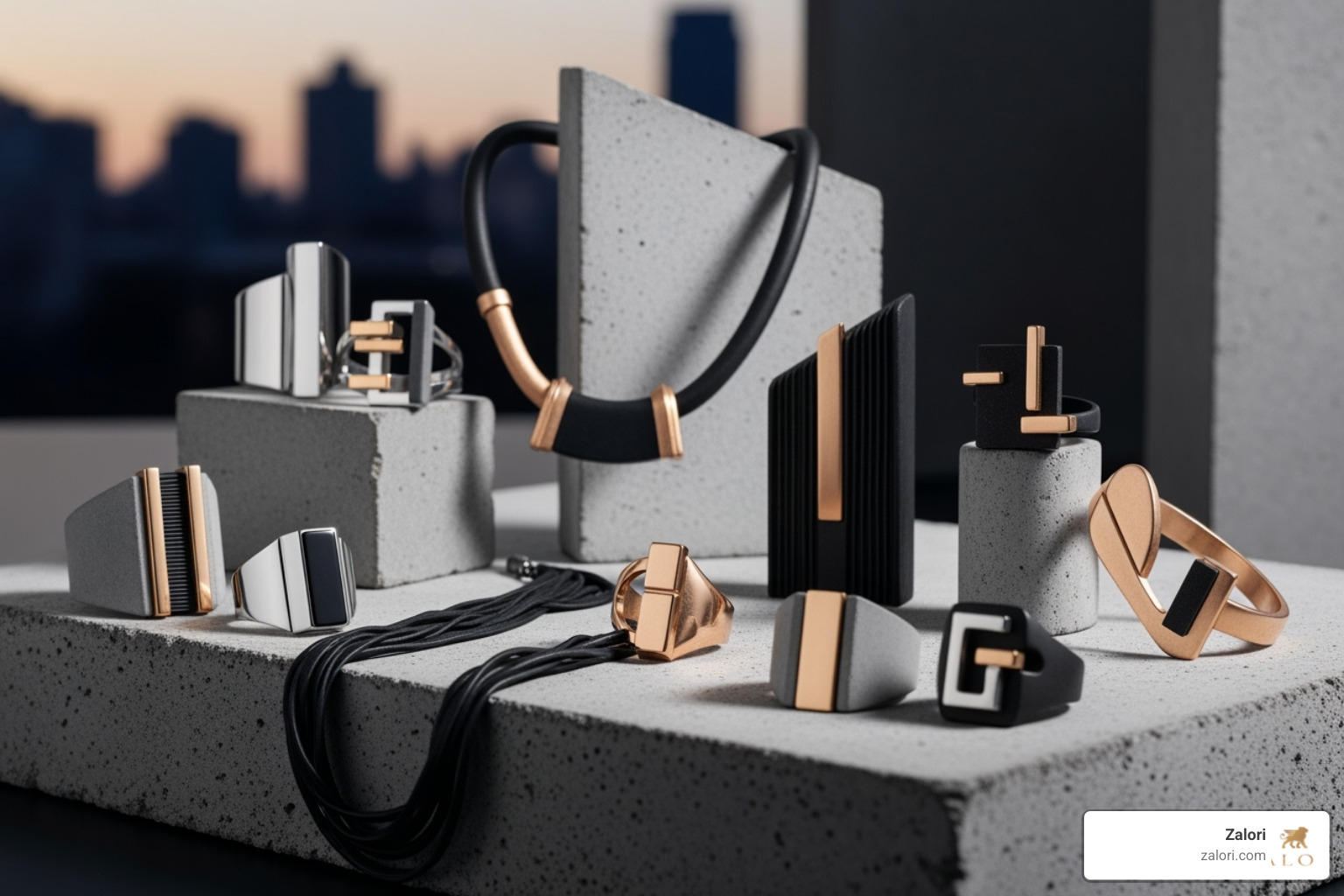
Focus: Drawing inspiration from the urban landscape, these makers craft bold and modern jewelry. Their commitment to sustainability is evident in their exclusive use of recycled metals and ethically sourced gems, offering contemporary designs with a conscious foundation.
7. Brands Specializing in Colored Gemstones
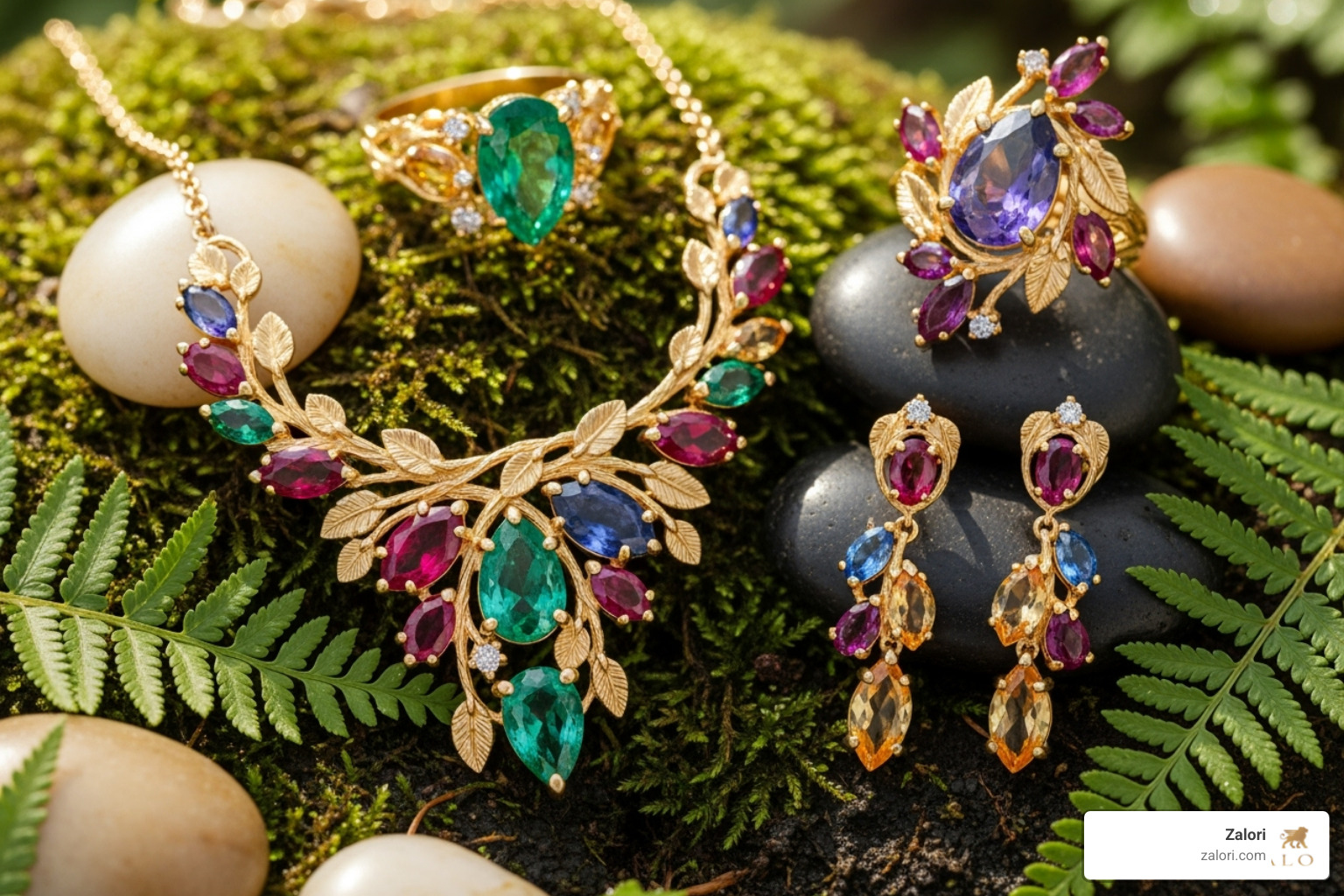
Focus: These brands illuminate the beauty of nature through exquisite gemstone jewelry. They are meticulous about ethically sourcing their vibrant colored gemstones and combine them with recycled gold, producing stunning pieces in small, sustainable batches.
8. Brands Focused on Community Giving

Focus: These companies create versatile, stackable jewelry designed for everyday wear. Their core values include the exclusive use of recycled metals and conflict-free stones, complemented by active community giving initiatives that support social causes.
9. Brands with a Sculptural, Made-to-Order Approach

Focus: These studios bring an artistic vision to jewelry, creating sculptural and expressive pieces. They prioritize fair trade gemstones and operate on a made-to-order model, ensuring each item is crafted with intention and minimal waste.
10. Brands Empowering Women-Led Workshops

Focus: These brands are built on a mission to empower women-led workshops, providing living wages and fostering economic independence. Their beautiful jewelry is crafted from recycled silver and other sustainable materials, embodying a story of empowerment and skill.
11. Brands Crafting Heirloom-Quality Pieces
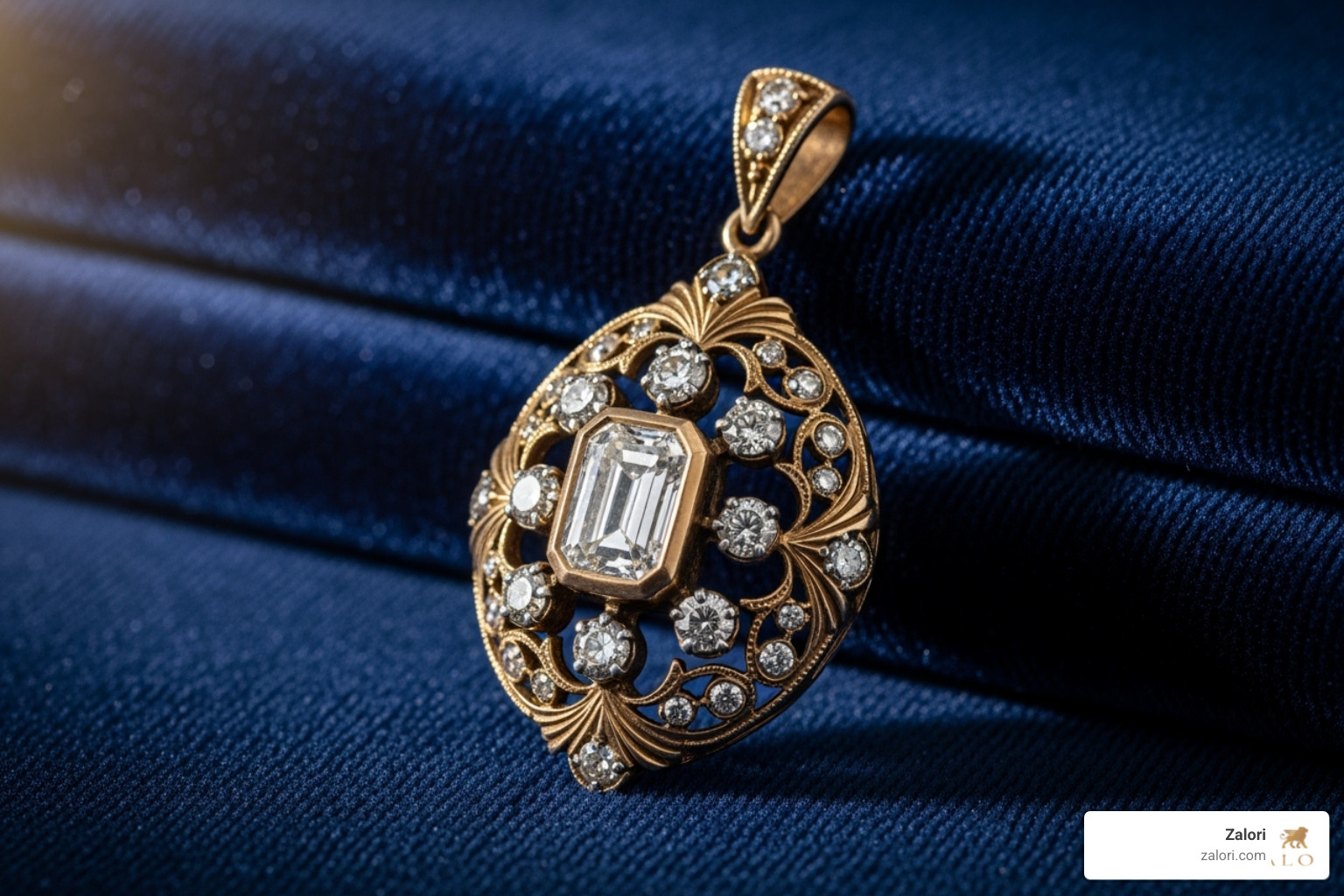
Focus: These makers specialize in creating heirloom-quality pieces designed to be cherished for generations. They carefully use recycled and Fairmined metals, and every piece is handcrafted with exceptional attention to detail, blending tradition with modern ethical practices.
12. Brands Pioneering Upcycled Materials
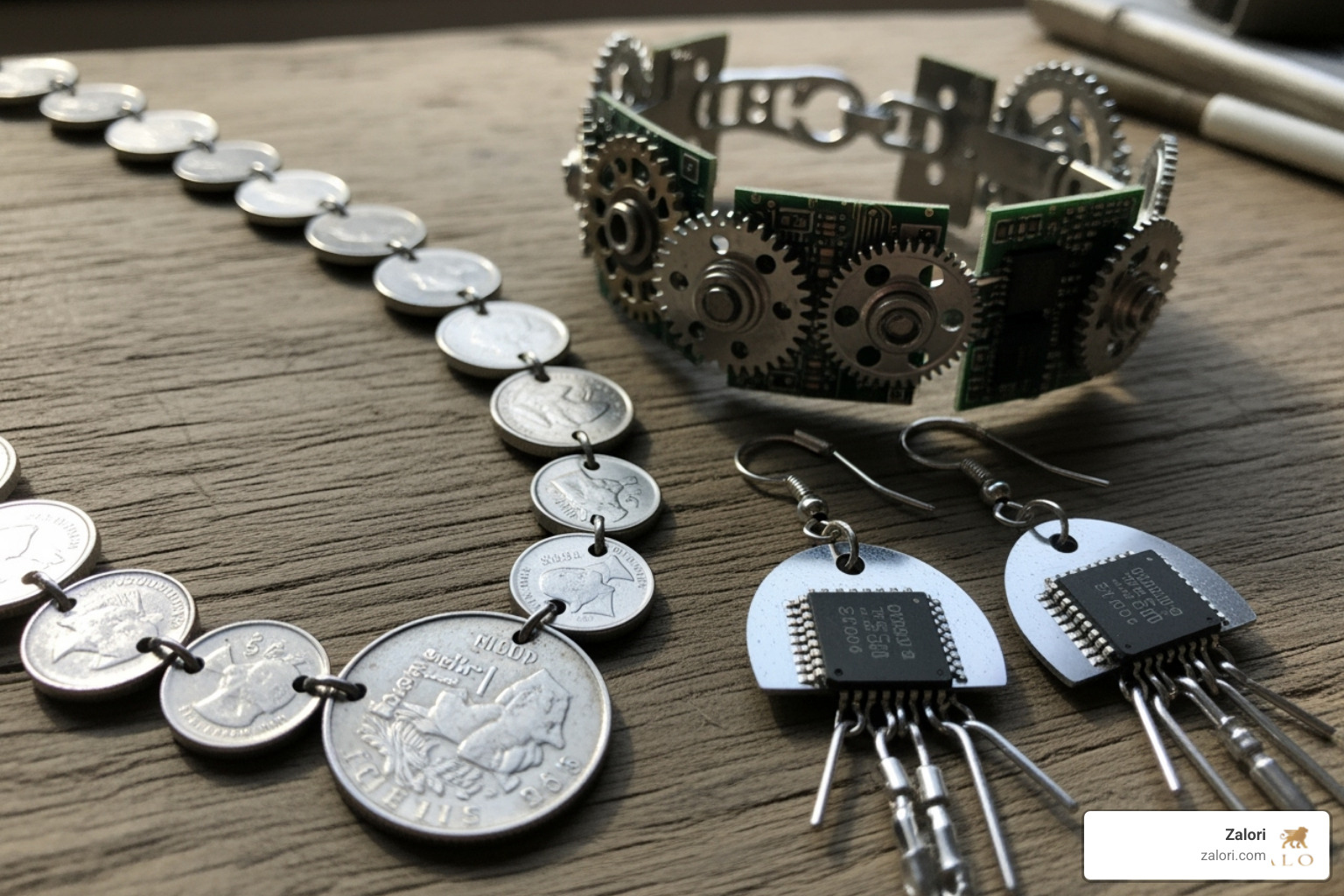
Focus: These innovators pioneer the use of upcycled metals and conflict-free gems, changing discarded materials into meaningful jewelry. Beyond their products, they actively engage in social impact projects, contributing to positive change in communities.
13. Brands Modernizing Classic Pearl Jewelry
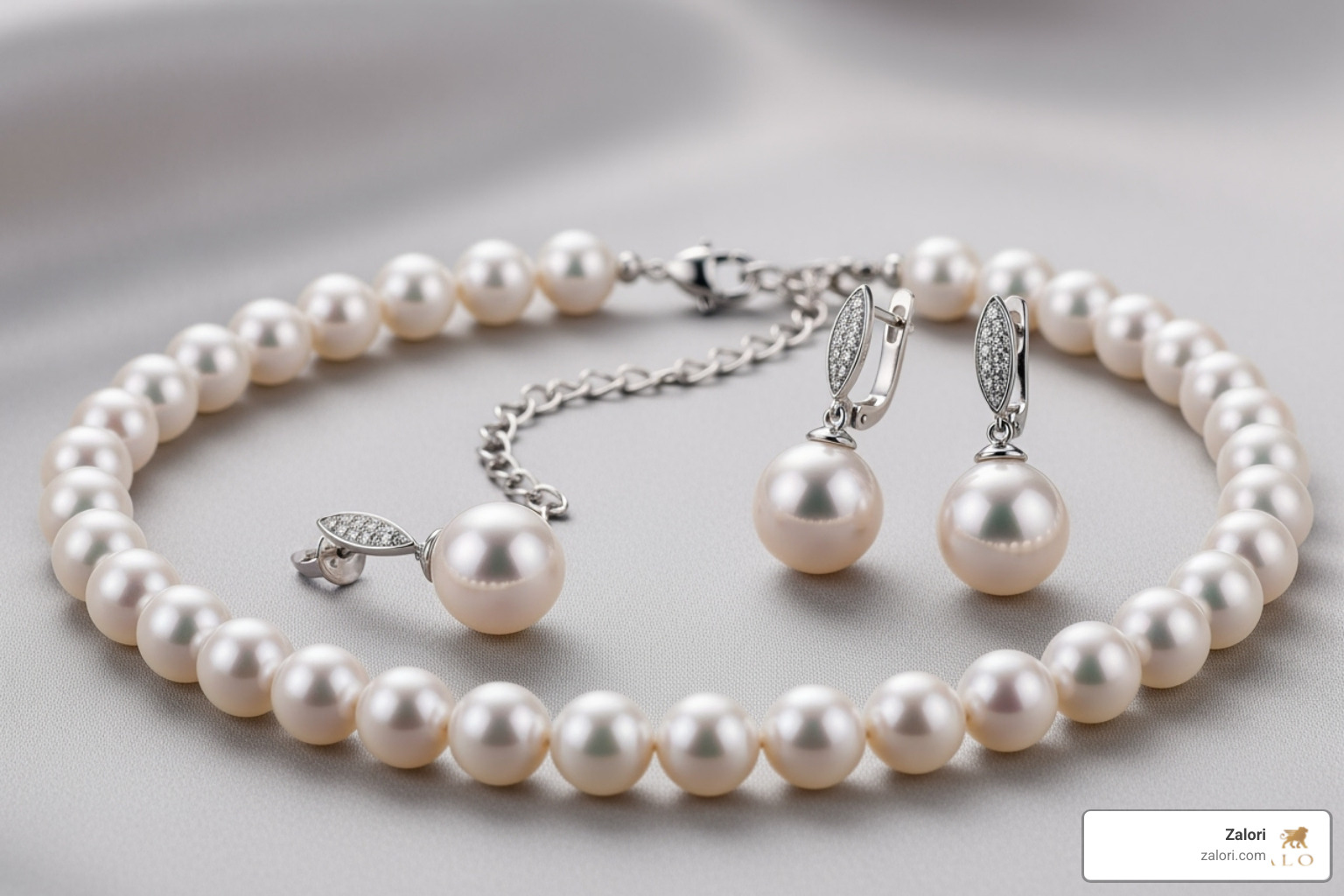
Focus: These ateliers bring a fresh perspective to classic pearl jewelry. They are committed to ethically sourcing their beautiful pearls and combine them with recycled gold, with all pieces crafted in small, dedicated studios that prioritize sustainable practices.
14. Brands with Nature-Inspired Designs

Focus: Inspired by the natural world, these brands create designs that reflect organic forms and textures. They use recycled and upcycled materials and ensure their packaging is eco-friendly, offering a connection to nature with minimal environmental footprint.
15. Brands Committed to Full Supply Chain Transparency
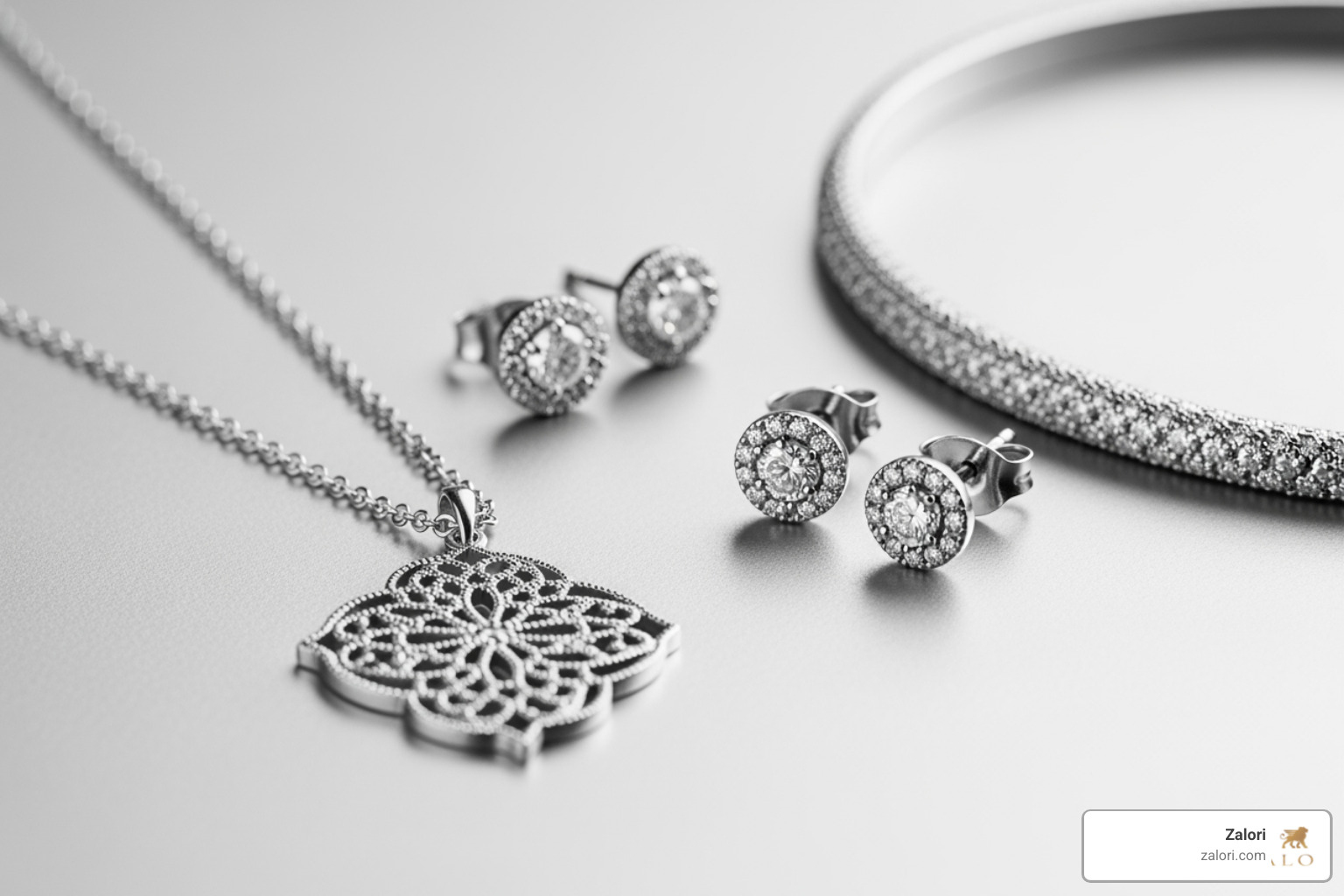
Focus: These companies are defined by an unwavering commitment to a fully traceable supply chain and transparent sourcing. Their signature collections showcase their dedication to ethical practices, from material acquisition to production, ensuring every piece supports community well-being.
How to Be a Conscious Jewelry Consumer
Navigating ethical jewelry can feel like a treasure hunt, but with a few key strategies, you can make choices that truly sparkle with integrity. We're here to help you identify and support brands committed to ethical and sustainable practices.
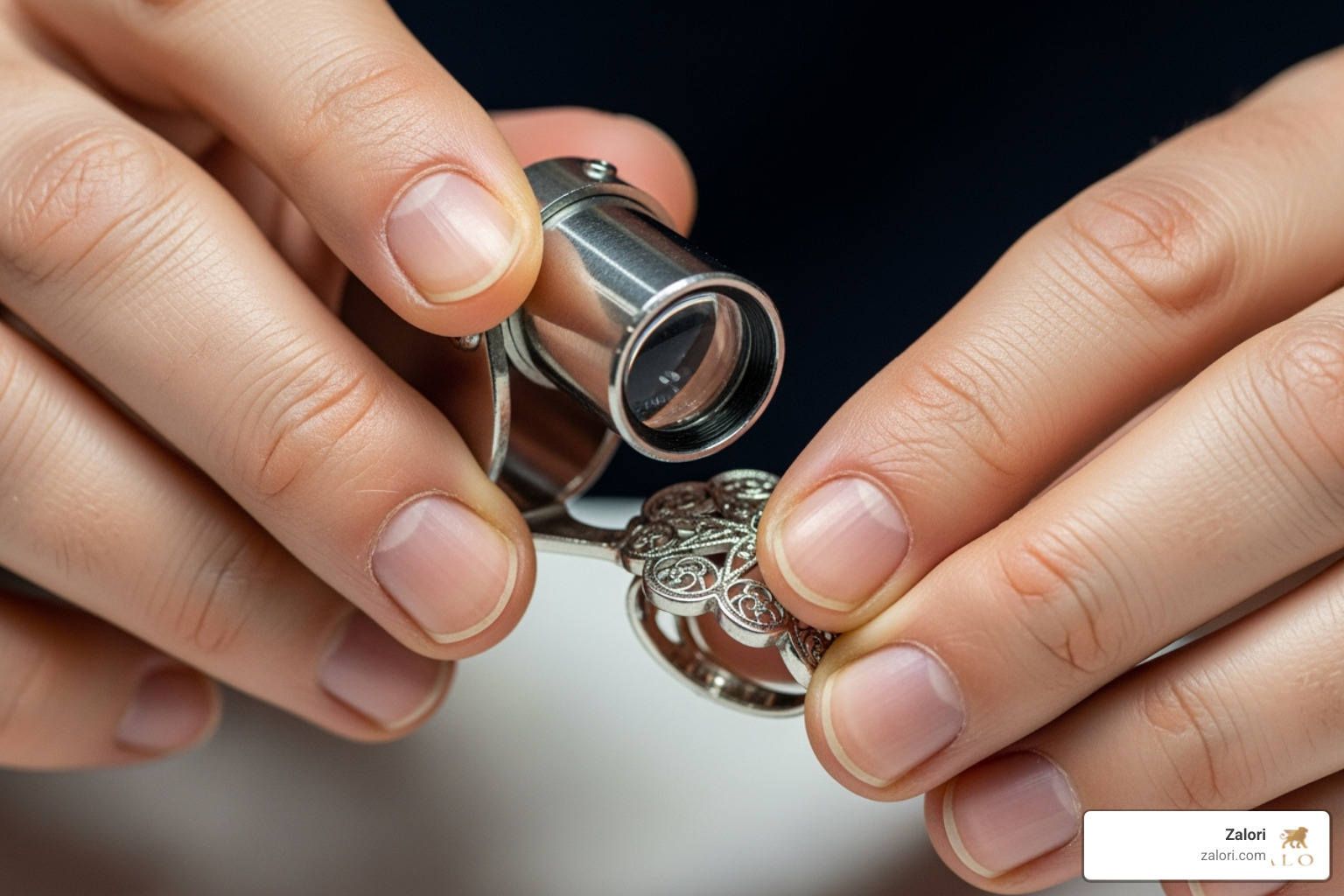
Look Beyond the Label While certifications are helpful, being a conscious consumer means digging a little deeper.
- Research brand values: Visit a brand's "About Us" or "Ethics" page. Do they clearly articulate their commitments? Do their values resonate with yours? The most transparent brands passionately explain their comprehensive approach to ethics, covering everything from materials to inclusivity.
- Ask questions: Don't hesitate to reach out to brands directly. Inquire about their material sourcing, labor practices, and how they ensure transparency in their supply chains. A truly ethical brand will be happy to provide detailed answers. We believe in open dialogue with our customers about our meticulous processes.
Spotting Greenwashing Unfortunately, some brands engage in "greenwashing," making vague or misleading claims about their ethical practices without genuine commitment.
- Look for specific details: Instead of general statements like "eco-friendly," seek out specifics: "100% recycled gold certified by SCS," "Fairmined certified," or "lab-grown diamonds made with renewable energy."
- Beware of buzzwords without substance: Phrases like "ethically sourced" can be vague. A brand should be able to explain how their materials are ethically sourced. As a forum thread highlighted, the term 'ethical' can be subjective and used without agreed-upon definitions.
- Check for third-party verification: Certifications like B Corp, Fairmined, or RJC provide independent validation of a brand's claims. While not every small ethical brand will have every certification, a commitment to these standards is a strong indicator. You can also check brand ratings on Good on You, which assesses brands across various sustainability criteria.
The Power of Pre-Owned Perhaps the most sustainable choice of all is opting for pre-owned or vintage jewelry. This avoids the need for new mining and production entirely, giving a beautiful piece a second life. Consider redesigning existing heirloom jewelry to repurpose gemstones, blending sentiment with sustainability.
Caring for Your Jewelry Finally, making your jewelry last is a key part of sustainable consumption. Choose durable, high-quality pieces (like those crafted with our uncompromising standards at Zalori!) and care for them properly. Many ethical brands offer repair services, encouraging longevity over disposability. The most sustainable piece of jewelry is often the one you already own, or one that's designed to last forever.
Explore our luxury jewelry collection
Frequently Asked Questions about Ethical Jewelry
What is the difference between 'ethical' and 'sustainable' jewelry?
When you hear about ethical jewelry brands, you might also hear the word 'sustainable' thrown around. It's easy to think they mean the same thing, but they actually have slightly different focuses! Though, honestly, the best brands aim for both.
Think of it this way: Ethical jewelry is mostly about the people involved. It means making sure everyone who touches the jewelry-making process is treated fairly. This includes things like paying living wages, providing safe workplaces, avoiding child labor, and making sure materials aren't funding conflicts or human rights abuses. It's about respecting every person in the supply chain.
On the other hand, sustainable jewelry is more about our planet. It focuses on how we can create beautiful pieces while being kind to the Earth. This means using recycled materials, reducing pollution, saving natural resources, and finding eco-friendly ways to produce jewelry. Think of using recycled gold or creating diamonds in a lab instead of mining them.
For us, at Zalori, true beauty shines when it respects both our planet and its people. That's why the leading ethical jewelry brands make sure they're doing right by both the environment and the people who bring these treasures to life. It's about a harmonious balance.
Are lab-grown diamonds a better choice than mined diamonds?
When considering diamonds, the choice between lab-grown and mined depends on your priorities. Both lab-grown and mined diamonds are beautiful, real diamonds.
Lab-grown diamonds are definitely a fantastic choice if you're looking for a clear conscience. They're created in a controlled environment, which means they use fewer resources and avoid the big environmental problems often linked to traditional mining. You also won't have to worry about the ethical issues that can come with some mined diamonds, like human rights concerns or conflict funding. These diamonds are chemically, physically, and visually identical to mined ones, so you get all the sparkle with a much clearer origin story.
Now, mined diamonds have a long history and a certain allure. Some are indeed sourced very responsibly, from mines that follow strict environmental and labor rules. However, it can be really tough to trace a mined diamond's journey from the ground to your hand. While the Kimberley Process helps prevent "conflict diamonds" from entering the market, it doesn't cover all human rights issues or environmental damage. If you love the idea of a mined diamond, consider looking for antique or vintage pieces, or those with very clear, verifiable origins.
There's no single "better" choice for everyone. But if your main goal is to choose a diamond with minimal environmental impact and a transparent, ethical backstory, lab-grown diamonds offer a compelling and truly beautiful alternative.
How can I verify a brand's ethical claims?
It's smart to be a little cautious these days, especially with "greenwashing" becoming more common. You want to make sure the brand you choose is truly walking the talk! Here's how you can dig a little deeper:
First, look for third-party certifications. These are like badges of honor from independent groups that have checked a brand's practices. Think of certifications like B Corp, Fairmined, or the Responsible Jewellery Council (RJC). If a brand has these, it's a strong sign they're serious about their ethical commitments.
Next, check for transparency reports. Many truly ethical brands are proud to share all the details. Look for an "About Us," "Ethics," or "Sustainability" section on their website. They should clearly explain where their materials come from, how their workers are treated, and what they're doing for the environment. These reports often show their progress and goals, which builds a lot of trust.
Don't be shy about asking direct questions. A genuinely ethical brand will be thrilled to tell you more about their supply chain, where their materials are sourced, and their labor policies. If they're vague or avoid your questions, that might be a red flag. We at Zalori are always happy to share details about our meticulous processes.
Finally, do a little detective work online. Read reviews and articles from independent sources or ethical consumer guides. You can also use handy tools like Good on You, which rates brands based on their impact on people, the planet, and animals. It's a great way to get a quick overview of a brand's overall ethical standing.
A brand that's truly committed to ethical practices will be open, honest, and proud to show you their journey.
Conclusion: Adorn Yourself with Purpose
Imagine wearing a piece of jewelry that truly sparkles, not just with its inherent beauty, but with the knowledge that it was crafted with care for both people and our planet. That's the heart of the movement towards ethical jewelry brands. It's a powerful shift, changing an industry once clouded by hidden costs into one that champions responsibility and radiant beauty.
Your choices, as a consumer, hold incredible power. Every time you choose an ethical brand, you're not just buying a piece of jewelry; you're casting a vote for a better world. You're saying no to environmental damage and human exploitation, and yes to fair wages, sustainable practices, and transparent sourcing. It's about ensuring your sparkle has a story worth telling – a story of integrity, compassion, and genuine luxury.
When you invest in conscious brands, your jewelry becomes more than an accessory. It becomes a reflection of your values, a tangible symbol of purpose. It’s a reminder that beauty can, and should, be a force for good in the world.
At Zalori, we deeply understand this connection. We stand by our uncompromising standards for exceptional craftsmanship and our meticulous selection of high-quality, authentic materials. Our commitment ensures that every piece of Zalori jewelry is not just beautiful, but also embodies the integrity and care you seek. Adorn yourself with purpose, and let your jewelry tell a story that truly shines.
Related Articles
View all