The Real Deal: Understanding Silver Chain Pricing by Weight
Why Understanding Silver Chain Pricing Matters for Luxury Buyers
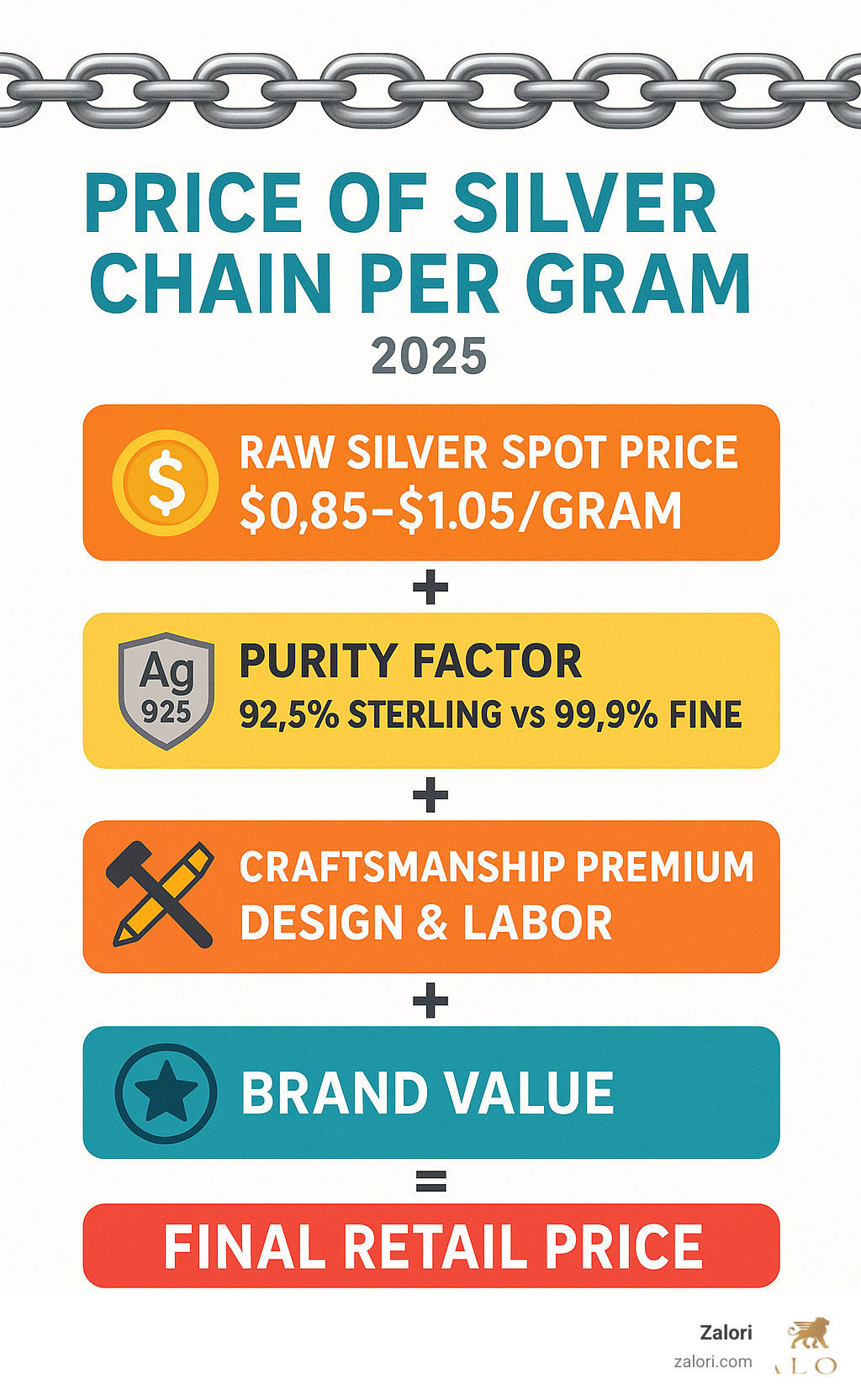
The price of silver chain per gram varies significantly based on multiple factors beyond just the raw silver content. Here's what determines your chain's final cost:
Key Pricing Components:
- Spot Price: $0.85-$1.05 per gram (current market rate for raw silver)
- Purity Level: Sterling silver (92.5%) vs. fine silver (99.9%)
- Craftsmanship Premium: Design complexity and manufacturing quality
- Brand Value: Reputation and exclusivity markup
When you see a luxury silver chain priced at $148 like premium retailers offer, you're not just paying for 15-20 grams of silver worth $15-20 in raw materials. You're investing in artistry, durability, and prestige that transforms basic metal into a statement piece.
The silver market has shown remarkable volatility, with prices reaching historic highs of $48.70 per troy ounce ($1.57 per gram) in 2011, while currently trading in more accessible ranges. This fluctuation directly impacts the baseline cost of every silver chain, but understanding these price drivers helps you make informed luxury purchases.
As Eric Roach Zalori, I've spent years analyzing precious metals markets through my venture capital work and launching Summit Metals Holdings, giving me deep insights into how the price of silver chain per gram connects to both commodity markets and luxury craftsmanship. This guide will show you exactly how to evaluate silver chain pricing like an industry insider.
Basic price of silver chain per gram vocab:
The Foundation: Understanding Silver's Spot Price
When you're shopping for that perfect silver chain, the price of silver chain per gram starts with one crucial number: the spot price. Think of this as the heartbeat of the silver market – it's what raw, unworked silver costs right now, this very minute, anywhere in the world.
Here's what makes it fascinating: this price never sits still. While you're reading this, traders in New York, London, and markets across the globe are buying and selling silver, causing the price to dance up and down throughout the day. Major exchanges like COMEX in New York and the London Bullion Market Association set these prices based on real supply and demand.
Currently, you'll find silver trading somewhere between $0.85 to $1.05 per gram for pure silver. That's for the good stuff – 99.9% fine silver. Sterling silver, which is 92.5% pure (the kind most quality chains use), typically runs around $0.88 to $1.03 per gram depending on market conditions.
Now here's something that trips up many buyers: when you see silver prices quoted in financial news, they're usually listed per troy ounce, not per gram. A troy ounce weighs about 31.1 grams, so if silver is trading at $29.48 per troy ounce, that works out to roughly $0.95 per gram. Need a quick refresher on the difference between troy ounces and the everyday ounces on your kitchen scale? Check the concise explanation on Troy weight.
Where to Find Live Silver Prices
Want to track silver prices like a pro? Your best bet is sticking to reliable financial news sites and official market data sources. These platforms update prices constantly – sometimes every minute – so you're seeing the real deal, not yesterday's news.
Most good sites offer interactive charts where you can see how silver has performed over hours, days, or even decades. You can usually switch between different currencies and weight measurements too, which is handy when you're comparing prices from different sources.
For the most current market data, you can track live silver price USD to stay on top of daily fluctuations.
These charts tell a story. You might see silver spike during uncertain times, then settle back down when markets calm. Understanding these patterns helps you appreciate why that beautiful chain you're eyeing might cost a bit more this month than last.
Key Factors Influencing the Spot Price
Silver's price isn't random – it responds to real-world events and trends that affect supply and demand. The biggest driver? Industrial demand. Unlike gold, which mostly sits pretty in jewelry and vaults, silver works hard in factories around the world.
The green revolution is silver's best friend right now. Solar panels need silver for conductivity, and demand jumped an incredible 63.8% in 2023 alone. Electric vehicles use significantly more silver than traditional cars, and as EV adoption accelerates, that demand keeps climbing. Some analysts predict we might actually run short of silver in coming years because of these industrial needs.
Economic uncertainty also pushes silver prices around. When inflation rises or global events create worry, people flock to precious metals as a safe place to park their money. It's like silver becomes a financial security blanket – when people get nervous about their regular investments, they buy silver and gold.
Geopolitical events can trigger immediate price spikes. Wars, political upheaval, or major international incidents often send investors scrambling for precious metals. It's fascinating how quickly silver prices can react to breaking news.
Finally, there's the gold-to-silver ratio – a tool that shows how many ounces of silver equal one ounce of gold. When this ratio gets really high, it often means silver is undervalued compared to gold, potentially signaling a good buying opportunity for silver jewelry.
All these factors work together to create the baseline price of silver chain per gram before any craftsmanship, design, or brand value gets added. Understanding this foundation helps you appreciate what you're really paying for when you invest in quality silver jewelry.
From Bullion to Bling: Why a Silver Chain Costs More Than Raw Silver
Here's where things get interesting. You might wonder why that stunning silver chain catches your eye at $148 when the raw silver inside is worth maybe $15-20. The answer lies in understanding what transforms basic metal into luxury jewelry.
The difference between raw silver value (what we call "melt value") and the final retail price is known as the premium over spot. This premium isn't just markup - it's the cost of change. Think about it: someone has to take that chunk of silver bullion and turn it into something you'd actually want to wear around your neck.
This change involves skilled artisans who've spent years perfecting their craft. There's the designer who creates the pattern, the craftsperson who forms each link, and the finisher who gives it that perfect shine. Each step adds time, expertise, and yes, cost to the final piece.
At Zalori, we're completely transparent about this process. When you invest in one of our silver chains, you're not just buying a commodity - you're acquiring a piece that represents hours of careful work and our uncompromising standards for exceptional craftsmanship. That's what lifts the price of silver chain per gram from basic metal pricing to luxury jewelry investment.
The journey from bullion to bling is what makes jewelry special. Without it, we'd all be wearing chunks of raw metal, which honestly wouldn't look great with most outfits.
For more insights into high-end silver jewelry, explore Beyond Basic: Showing the World of Luxury Silver Chains.
The Purity Factor: How Purity Affects the Price of a Silver Chain Per Gram
Not all silver is created equal, and this directly impacts the price of silver chain per gram. Pure silver, while beautiful, has one major flaw - it's incredibly soft. Imagine trying to make a chain from butter (okay, that's an exaggeration, but you get the idea). It would bend, scratch, and lose its shape faster than you could say "tarnish."
Fine Silver (.999) contains 99.9% pure silver and represents the closest you'll get to the real deal. You'll see it stamped with "999" or "FS" on jewelry pieces. While gorgeous, fine silver's softness makes it impractical for everyday chains. It's like having a sports car that's too delicate to drive - beautiful but not very useful for daily wear.
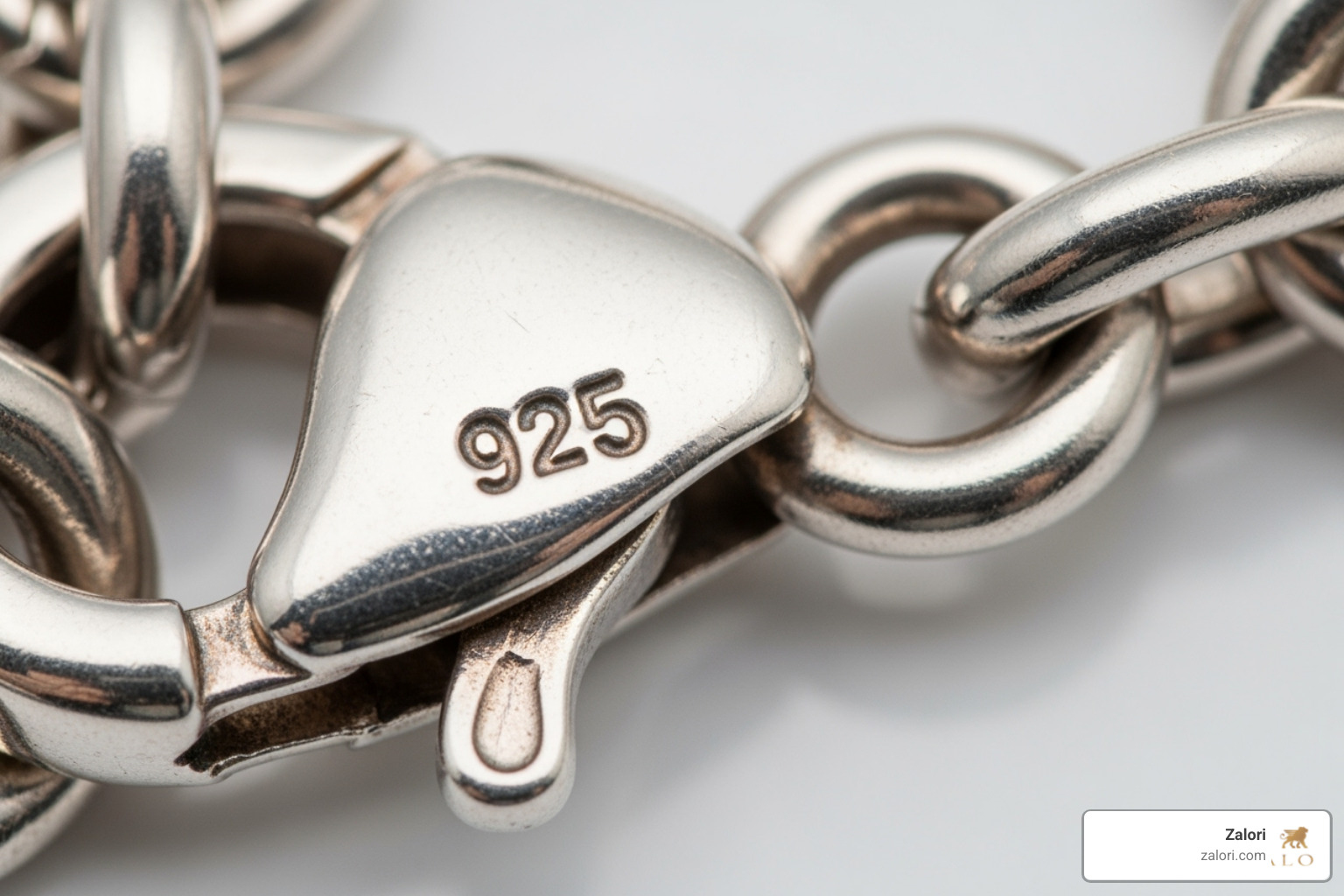
Sterling Silver (.925) solves this problem brilliantly. By mixing 92.5% pure silver with 7.5% other metals (usually copper), we get the best of both worlds. The silver keeps its lustrous beauty, while the added metals provide the strength needed for a chain that can handle real life. Look for the "925" hallmark - it's your guarantee of quality.
This purity difference affects pricing in interesting ways. While sterling silver contains less pure silver than fine silver, its durability and widespread acceptance often make it more valuable for jewelry purposes. The price of silver chain per gram reflects not just the silver content, but also the practicality of the alloy.
Most luxury chains use sterling silver because it strikes the perfect balance between beauty and durability. It's strong enough for daily wear but still maintains that gorgeous silver shine we all love.
To learn more about identifying genuine silver, check out Is Your Silver Chain 925? A Buyer's Guide to Genuine Silver.
The Artistry & Craftsmanship Markup
Here's where the real magic happens. The craftsmanship markup on your silver chain isn't just about labor costs - it's about the skill, time, and artistry that transforms raw material into something extraordinary.
Design complexity plays a huge role in determining the final price of silver chain per gram. A simple cable chain requires basic forming and linking techniques. But intricate styles like Figaro chains with their distinctive pattern of alternating links, Rope chains with their twisted elegance, or Box chains with their geometric precision? These demand specialized skills and significantly more time to create.
The difference between handcrafted and machine-made chains is like comparing a custom suit to something off the rack. Handcrafted pieces carry the individual touch of the artisan - slight variations that make each piece unique. Machine-made chains offer consistency and efficiency, but lack that personal artisan signature.
Brand reputation adds another layer of value. When you choose Zalori, you're investing in our commitment to meticulous selection of high-quality, authentic materials. This isn't just marketing speak - it's a promise backed by our uncompromising standards for exceptional craftsmanship. That reputation, built over time through consistent quality, naturally commands a premium.
Every step in creating a luxury chain requires expertise. The artisan must understand how different silver alloys behave, how to achieve consistent link sizes, and how to create joints that are both invisible and incredibly strong. This knowledge comes from years of experience and dedication to the craft.
The craftsmanship markup reflects all of this - the time, skill, equipment, and expertise needed to create something you'll treasure for years to come.
Find some of our exquisite designs in Shine On: Top Picks for Pure Silver Chains.
Calculating the Value: A Practical Guide to the Price of Silver Chain Per Gram
Let's roll up our sleeves and get practical about estimating your silver chain's value. Think of this as your detective toolkit for understanding what you're really paying for when you invest in luxury silver jewelry.
Here's the thing: there's a big difference between what we call the intrinsic value (the actual silver content worth) and the retail price you see on that gorgeous chain in the showroom. The intrinsic value is like the foundation of a house – it's essential, but it's not the whole story.
When you calculate the melt value of your silver chain, you're essentially figuring out what the raw silver would be worth if you melted it down into a lump. It's a baseline that helps you understand the underlying worth, but remember – you'd never actually want to melt down a beautifully crafted Zalori chain!
Step-by-Step: How to Estimate the Price of Silver Chain Per Gram
Ready to become your own silver chain appraiser? Here's how to calculate the melt value in four simple steps:
Step 1: Play Detective with Purity Grab a magnifying glass and hunt for that tiny hallmark on your chain. It's usually hiding on the clasp or a small tag nearby. Look for "925" (sterling silver) or "999" (fine silver). If you can't find any markings, don't panic – just assume it's sterling silver, which is the most common type used in quality jewelry.
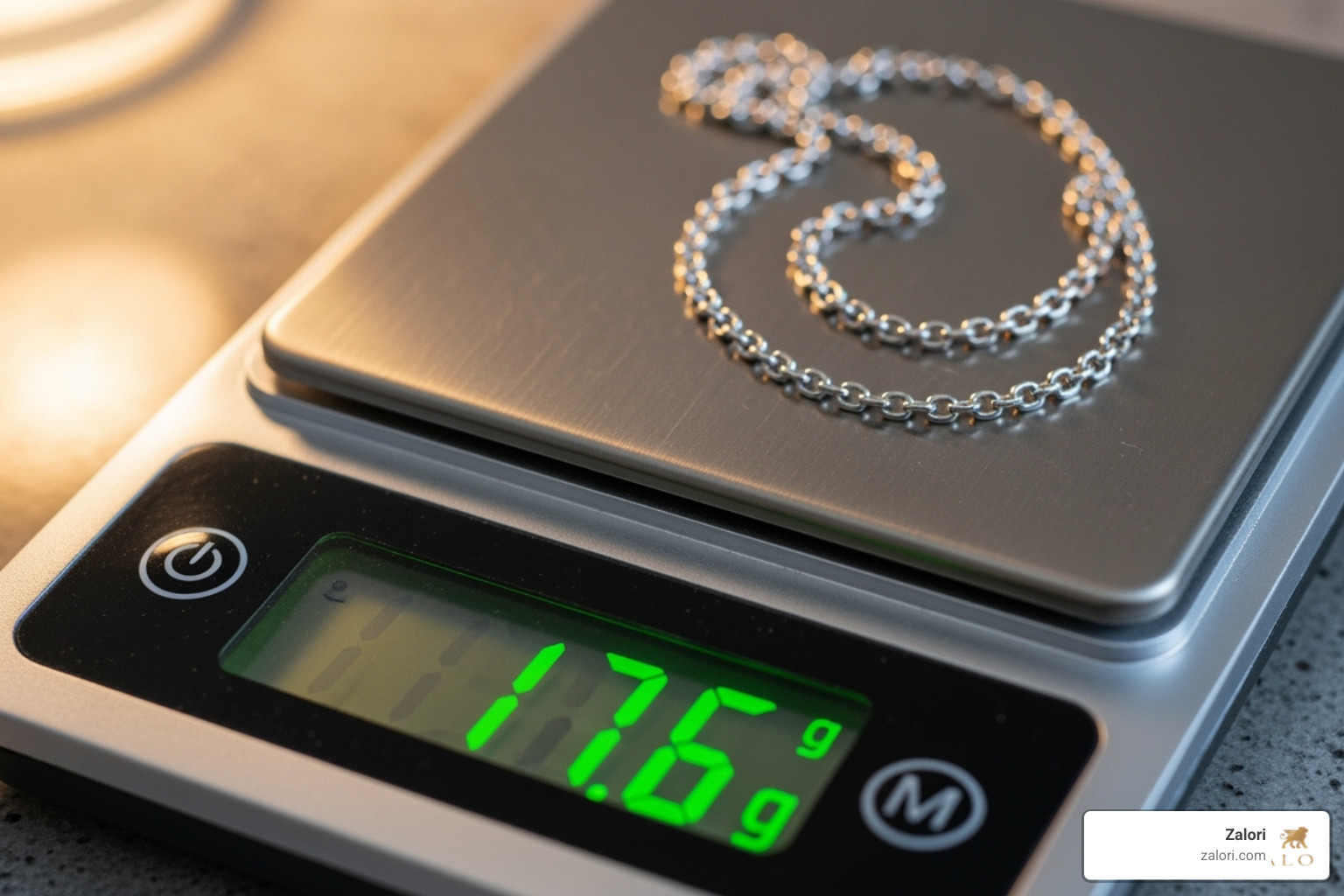
Step 2: Get Scientific with Weight Time to bring out your inner chemist! Use a precise digital scale to weigh your chain in grams. Jewelry stores use gram measurements as the gold standard (pun intended), so stick with this unit. Make sure your scale is accurate – even a small difference can throw off your calculations.
Step 3: Hunt Down the Current Spot Price Jump online and find the current price of silver chain per gram for your specific purity level. This number changes constantly throughout the day, so use the freshest data you can find. For sterling silver (92.5% pure), you're typically looking at somewhere between $0.88 to $1.03 per gram, depending on market conditions.
Step 4: Do the Math Magic Here comes the simple part: multiply your chain's weight by the current spot price for its purity level.
Let's say you have a 15-gram sterling silver chain, and today's price for 92.5% silver is $0.95 per gram. Your calculation would be: 15 grams × $0.95 = $14.25. That's your chain's melt value – the baseline worth of its silver content.
For more detailed silver valuation insights, check our silver value guide.
Why Your Calculation is an Estimate, Not the Final Retail Price
Now here's where things get interesting – and why that $14.25 melt value doesn't explain why your luxury silver chain costs $150 or more.
Think about buying a gourmet meal at a fine restaurant. You're not just paying for the raw ingredients – you're paying for the chef's expertise, the beautiful presentation, the ambiance, and the entire dining experience. The same principle applies to luxury silver jewelry.
The price of silver chain per gram at retail includes several premium costs that transform raw metal into wearable art. Craftsmanship costs cover the skilled artisans who design, shape, solder, and polish each link to perfection. This isn't assembly-line work – it's meticulous craftsmanship that takes time and expertise.
Design intricacy adds another layer of value. A simple cable chain requires less artistic vision and labor than an elaborate rope or Figaro pattern. Each complex design represents hours of creative development and technical skill.
Brand markup reflects the reputation and quality assurance you get with established luxury brands. At Zalori, our uncompromising standards for exceptional craftsmanship and meticulous selection of authentic materials means you're investing in proven quality, not taking a gamble on unknown materials or workmanship.
Finally, there are the practical business costs – showroom rent in prime locations, skilled staff, insurance, and all the behind-the-scenes work that ensures you get exceptional service and a quality product.
So while your melt value calculation gives you a smart baseline for understanding silver content, the true value of a luxury chain lies in that perfect blend of precious metal, artistic vision, and masterful execution.
For expert guidance on selecting quality silver chains, explore Chain Reaction: Finding the Best Men's Silver Chains Online.
Frequently Asked Questions about Silver Chain Pricing
I get tons of questions about silver pricing from customers who want to understand what they're really paying for. Let me share the most common ones – these answers will help you become a more informed buyer when shopping for that perfect price of silver chain per gram.
How does the price of silver per gram compare to gold?
Here's the thing – silver is way more affordable than gold, and that's actually fantastic news for anyone wanting to enter the luxury jewelry world without breaking the bank. While silver hovers around $1.00 per gram, gold can easily cost you $70-$80 per gram or more. That's a massive difference!
This affordability factor makes silver an excellent choice for your first luxury chain or if you want to build a collection without the hefty investment gold requires. You're still getting a genuine precious metal with all the beauty and prestige that comes with it.
The gold-to-silver ratio tells an interesting story about relative value. This ratio shows how many ounces of silver equal one ounce of gold, and it's been all over the map historically – sometimes as low as 10:1, other times soaring past 100:1. When this ratio is high, many investors see it as silver being undervalued compared to gold.
What makes silver particularly appealing is its dual personality. Unlike gold, which is primarily a store of value, silver pulls double duty as both a precious metal and an industrial powerhouse. This means its price responds to both investment demand and real-world industrial needs, creating unique market dynamics that can work in your favor.
Does the price of silver vary by country?
The short answer is yes and no – let me explain what I mean. The universal spot price of silver is the same everywhere at any given moment. Whether you're shopping in New York City, Los Angeles, or anywhere else in the world, that baseline silver value remains constant because it's quoted globally in US Dollars.
But here's where it gets interesting – the final price of silver chain per gram you actually pay can vary quite a bit depending on where you're shopping.
Currency conversion plays the first role. That universal USD price gets converted to your local currency using current exchange rates, which fluctuate daily. Then come the local taxes – sales tax, VAT, or goods and services taxes that vary dramatically by location.
Import duties and tariffs add another layer if the silver or finished jewelry crosses borders. Finally, local market dynamics like regional demand, local fabrication costs, and competition between jewelers all influence that final price tag.
The silver itself has the same intrinsic value worldwide, but these additional factors mean your shopping location definitely matters for your wallet.
You can View silver prices in different regions to see how these variations play out in practice.
How do I care for my silver chain to maintain its value?
Taking proper care of your silver chain isn't just about keeping it beautiful – it's about protecting your investment. Silver has one quirky characteristic: it reacts with sulfur in the air to create tarnish, that dull, dark discoloration that can make even the most expensive chain look neglected.
Preventing tarnish starts with some surprisingly simple habits. Wearing your silver chain regularly actually helps keep it clean because the natural oils from your skin act as a protective barrier. Who knew that enjoying your jewelry was part of maintaining it?
However, you'll want to remove your chain before swimming (especially in chlorinated pools), cleaning with harsh chemicals, or applying lotions, perfumes, and hairsprays. These substances can accelerate tarnishing or even damage the metal.
When it comes to cleaning methods, gentle is the name of the game. Light tarnish often disappears with just mild dish soap, warm water, and a soft cloth. For more stubborn tarnish, invest in a specialized silver polishing cloth – these work wonders without scratching your chain. Never use toothpaste or abrasive scrubbers, as they'll damage the surface.
Proper storage is your secret weapon against tarnish. Air and humidity are silver's biggest enemies, so store your chain in an airtight bag or container. Those small plastic zip-lock bags work perfectly. Anti-tarnish strips placed inside your storage container will absorb airborne pollutants that cause tarnishing.
Keep your silver pieces separated from other metals to prevent scratching and unwanted chemical reactions. Following these simple care steps ensures your chain maintains its stunning appearance and holds its value for years to come.
For detailed guidance on keeping your silver pristine, check out these resources:
- Stop Silver Tarnish in its Tracks: How to Clean Sterling Silver Jewelry
- How to Store Jewelry to Prevent Tarnish
Conclusion
Understanding the price of silver chain per gram has taken us on quite a journey, hasn't it? We've finded that this seemingly simple question opens up a fascinating world where precious metals meet artistry, where market forces dance with human creativity.
The silver spot price is your starting point – think of it as the foundation of a beautiful building. Currently hovering around $0.85-$1.05 per gram, this baseline tells you what the raw silver is worth. But just like a foundation alone doesn't make a home, the spot price alone doesn't determine what you'll pay for that stunning chain you've been eyeing.
Purity matters tremendously in this equation. When you see that "925" hallmark on sterling silver, you're looking at 92.5% pure silver that's been thoughtfully alloyed for durability. It's the sweet spot between purity and practicality – pure enough to be precious, strong enough to last generations.
Then comes the magic: craftsmanship and design intricacy. This is where skilled artisans transform cold metal into something that makes your heart skip a beat. Whether it's a classic Figaro chain or an intricate rope design, each link represents hours of expertise and dedication. You're not just buying silver; you're investing in human artistry.
Brand value isn't just marketing fluff – it's a promise. At Zalori, our uncompromising standards for exceptional craftsmanship and meticulous selection of high-quality, authentic materials mean every piece carries our commitment to excellence. When you choose Zalori, you're choosing peace of mind alongside beauty.
Here's the beautiful truth: while you can calculate the melt value of your silver chain, its real worth extends far beyond those numbers. It's in the compliments you'll receive, the confidence it gives you, and the memories you'll create while wearing it.
Ready to find your perfect piece? Shop Smart: Finding Your Ideal Men's Silver Chain and find our complete collection of men's necklaces. Your next favorite accessory is waiting for you.
Related Articles
View all