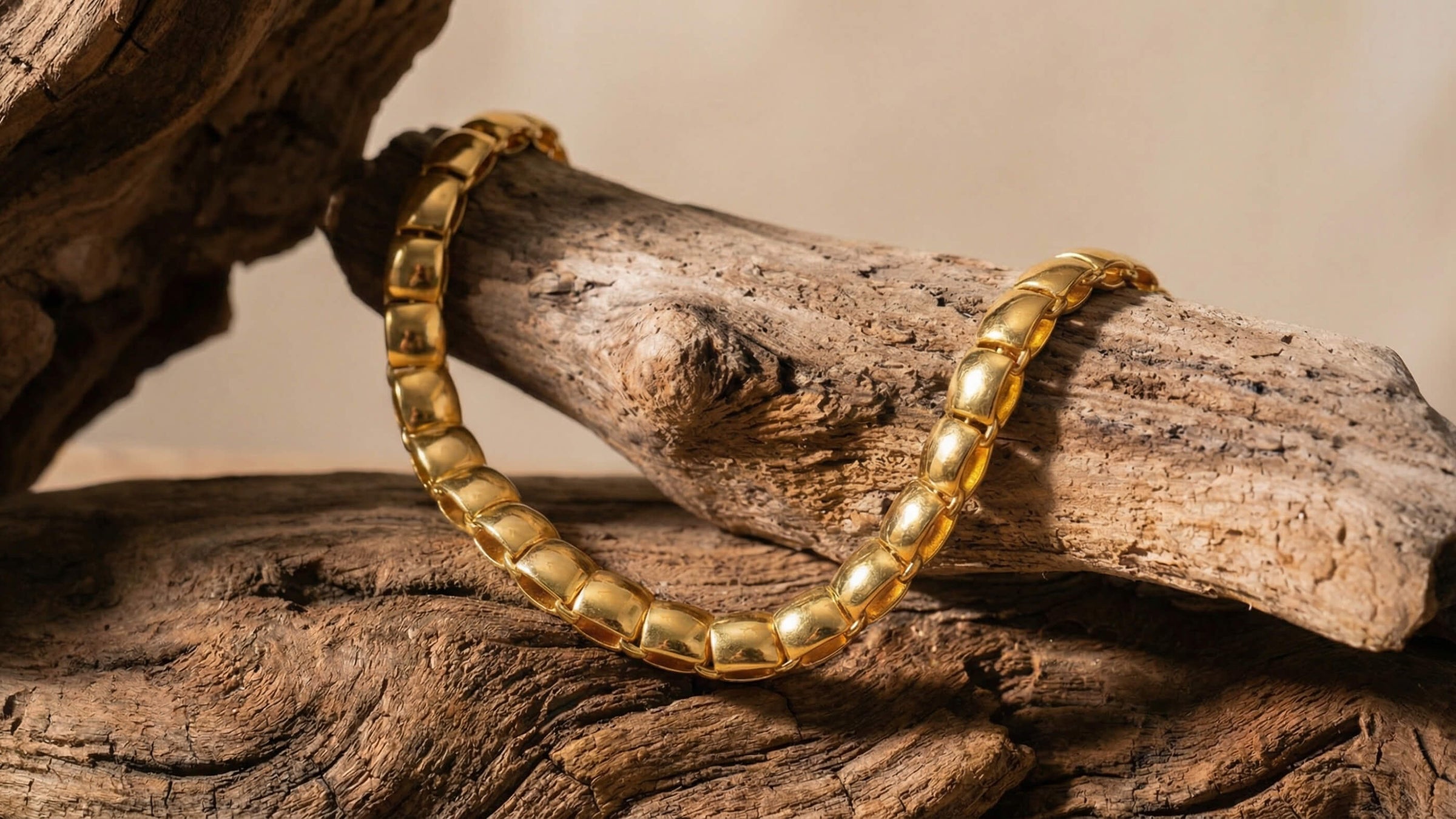
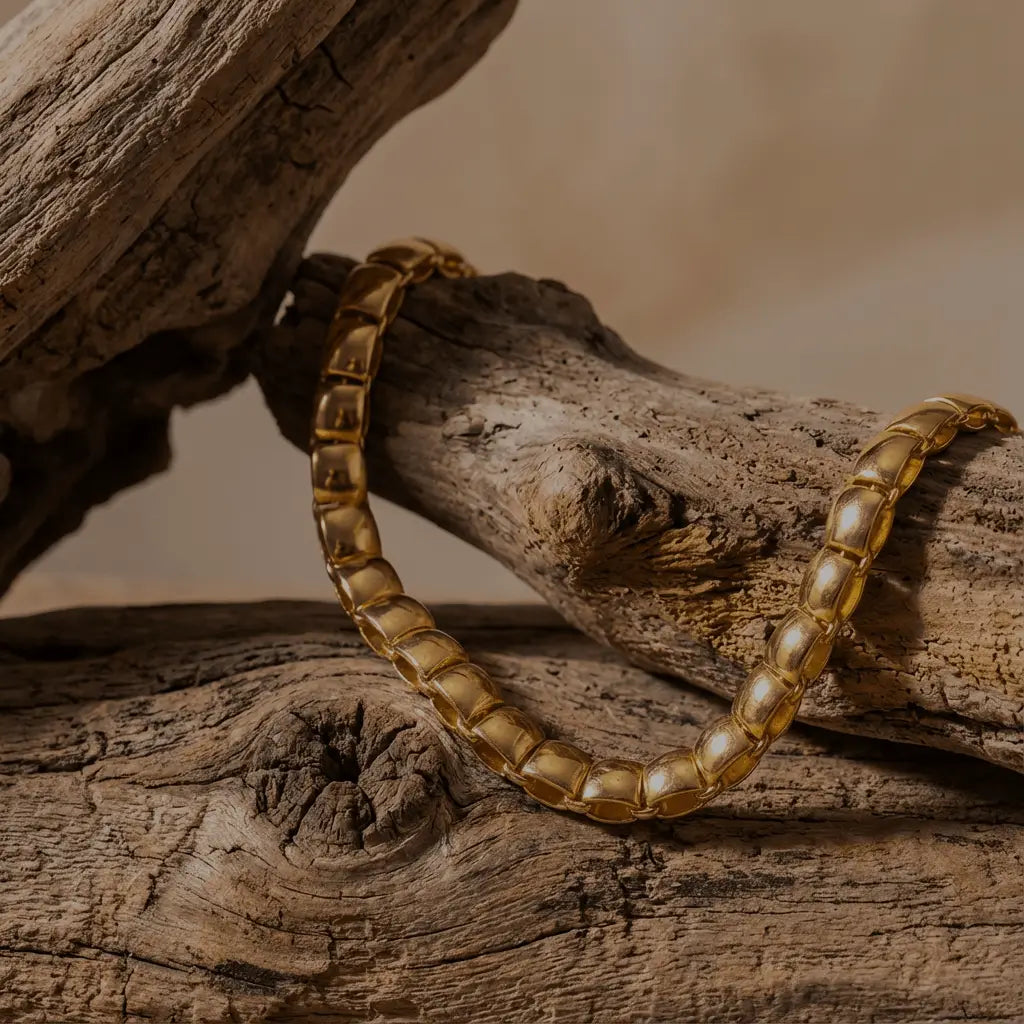
Recycled Gold, Real Value: What It Means, How to Verify It, and What to Buy
Shopping for “recycled gold” shouldn’t feel murky. If you care about sustainability, ethics, and timeless design, you deserve clear answers. This guide explains what recycled gold actually is, how the jewelry industry defines and audits it, how to spot responsible claims, and which handcrafted pieces at Zalori deliver heirloom quality you can feel good about.
What is recycled gold—really?
Recycled gold isn’t a different metal; it’s gold that’s been returned to the refining stream to begin a new life cycle. The London Bullion Market Association (LBMA) defines recycled gold broadly as post‑consumer jewelry, manufacturing scrap, investment bars/coins returned for re‑melting, and other gold‑bearing materials that go back to a refiner to be transformed into new products. In other words, it’s gold that did not come directly from a mine in its first life cycle. That’s the industry’s working definition used in due‑diligence frameworks and refiner audits. (See LBMA’s Responsible Gold Guidance definitions and overview for context.)


Two important takeaways:
- Recycled gold is chemically identical to newly mined gold once refined—24k is 24k.
- “Recycled” describes sourcing and chain of custody, not quality.
For zoomed‑out supply context, the World Gold Council notes mine production typically supplies most annual gold, with recycling making up the balance—and the majority of recycled flows come from jewelry that’s sold back into the system. Those shares flex with price cycles, but the point stands: recycling is a meaningful, responsive part of gold supply.
How recycled gold moves through the system
Understanding the path makes it easier to evaluate claims:

- Post‑consumer jewelry (rings, chains, bracelets) returns to jewelers or recyclers, who sell to refineries.
- Industrial and manufacturing scrap (bench filings, casting sprues, floor sweeps) goes back to refineries, too.
- Investment gold (bars, coins) may be re‑melted into new mill products or jewelry.
The LBMA Responsible Sourcing Programme requires Good Delivery refiners to run OECD‑aligned risk checks on both mined and recycled sources, publish annual conformance reports, and document countries of origin. Its guidance clarifies high‑risk scenarios (for example, gold routed through conflict‑affected or high‑risk areas) and sets expectations for enhanced due diligence. The Responsible Jewellery Council (RJC) adds another layer: companies can certify against the 2024 Chain of Custody (CoC) Standard to demonstrate traceability for gold, silver, and PGMs as material moves from mine or recycled sources through manufacturing to retail. Together, these frameworks give recycled‑gold claims more credibility when companies use them properly.
Claims you can trust (and the ones to question)
In the U.S., marketers must follow the FTC’s Green Guides when making environmental claims like “recycled content.” The plain‑English version: only call something recycled if it’s actually made from materials diverted from the waste stream, and qualify the percentage when it’s not 100%. Certifications and seals should be specific and truthful about what they mean—general “green” badges aren’t enough. If a product, collection, or workshop claims “recycled gold,” look for specifics: the percentage of recycled content, the scope (metal only vs. stones and packaging), and whether a recognized chain‑of‑custody or recycled‑content standard applies.
What credible support looks like:
- Reference to LBMA Good Delivery refiners and their Responsible Gold Guidance conformance.
- RJC CoC certification for traceable precious metals.
- Recycled‑content audits (for example, SCS Global Services’ Recycled Content Standard v8.0) where applicable in the supply chain.
- An OECD‑aligned due‑diligence policy covering conflict‑affected and high‑risk areas.
Red flags to pause on:
- Vague “eco” language without definitions, percentages, or audits.
- Claims that imply recycled gold is intrinsically “purer” or “softer” than non‑recycled—quality is a function of karat and alloying, not prior life.
- No disclosure about whether white‑gold rhodium finishing or mixed‑metal components affect the recycled percentage in a final piece.
How to verify recycled‑gold claims as a shopper
You don’t need a lab—just a smart checklist.
- Ask for clarity in writing
- What percentage of the gold content in this specific piece is recycled?
- Which standards back the claim (LBMA Responsible Sourcing, RJC CoC, SCS Recycled Content, internal vendor attestations), and can you share the refiner or documentation?
- Cross‑check authenticity and alloy details
- Look for proper quality marks (e.g., 14K/18K, 585/750). If you want a refresher on stamps and quick metal verification, read our explainer on jewelry hallmarks and XRF testing. XRF is non‑destructive and great for screening surface composition; responsible sellers pair it with documentation.
- Consider your karat choice and lifestyle
- 14k balances durability and value; 18k offers richer color and higher precious‑metal content. Our no‑fluff breakdown—14K vs 18K vs 24K Gold—helps you choose confidently. Recycled status doesn’t change how a karat wears day‑to‑day.
- Expect honest scope
- A ring’s gold can be recycled while melee diamonds are not—or vice versa. Credible brands state what part of the piece the claim covers.
Does recycled gold help the planet?
Short answer: it can—especially when claims are specific and audits are strong. Recycling reduces the need to refine brand‑new doré for every finished piece and is responsive to price cycles. The World Gold Council’s supply data shows recycling rises when prices rise, and most recycled flows come from jewelry rather than tech scrap. That said, sustainability isn’t one lever; it’s a system. Strong due diligence (OECD‑aligned), responsible refiner programs (LBMA), and traceable chains of custody (RJC CoC) work together to limit risks like conflict financing, money laundering, or gold laundering. Clear, qualified marketing—per the FTC Green Guides—helps you shop truthfully.
Zalori’s perspective: heirloom quality, responsible details
We’re craftsmen and precious‑metals nerds. We verify precious‑metal composition in‑house with professional XRF screening and work with partners who follow responsible sourcing practices. You’ll also see transparent care guidance across our materials—because longevity is sustainability. Want white metals with a mirror‑bright shield? Our deep‑dive on rhodium plating explains how to keep that finish looking pristine.
If you love the glow of high‑karat gold, explore handcrafted, made‑to‑order pieces like:
- The sculptural Weave – Foxtail 18k Gold 2.0 Bracelet.
- The armor‑like Armorer – Thai 18k Gold 2.0 Bracelet.
- The intricate Interlock – Persian 18k Gold 2.0 Bracelet.
Prefer sterling’s cool tone? Our artisan‑made Dynamis collection features hand‑braided Balinese and foxtail weaves designed to age beautifully.
Quick buyer’s guide: recycled‑gold essentials
- Material: Prioritize solid 14k or 18k for never‑take‑off pieces; consider weight and millimeter width for comfort.
- Claim: Look for a stated recycled percentage for the metal and a reference to LBMA/RJC/SCS or equivalent.
- Documentation: Ask which refiner(s) are used and whether they’re LBMA Good Delivery listed or RJC CoC‑certified.
- Fit: For bracelets, add allowance by weave and width; our bracelet size guide shows exactly how.
- Care: Gold loves mild soap, water, and a baby‑soft brush. Store individually to prevent scuffs.
FAQs
Is recycled gold lower quality than newly mined gold?
No. Refining returns gold to specified fineness (e.g., 24k/999), so the resulting 14k or 18k alloy is equivalent in performance and beauty to non‑recycled sources.
Can a piece be “partly recycled”?
Yes. That’s normal. Honest marketing will qualify the claim—e.g., “made with 60% recycled gold.” The FTC Green Guides prefer clear, quantified claims over vague ones.
How does recycled gold intersect with ethical sourcing?
They’re related but distinct. Recycled content reduces reliance on new doré in a given product, while ethical sourcing and due diligence (LBMA Responsible Sourcing, RJC CoC, OECD Guidance) aim to keep all sources—mined and recycled—free from conflict financing and other harms. Strong brands do both: truthful recycled claims and robust due diligence.
Does XRF prove recycled content?
No. XRF (and hallmarking) confirm metal composition and karat; they don’t reveal sourcing history. That’s why recycled claims should be supported by chain‑of‑custody documentation, refiner audits, and recognized standards. For metal ID basics, see our post on hallmarks and XRF testing.
Should I choose 14k or 18k for daily wear?

Pick by lifestyle and look: 14k skews tougher for high‑contact wear; 18k gives richer color and luxurious weight. Our guide to 14K vs 18K vs 24K lays it out simply.
The bottom line
Recycled gold is about responsible inputs and transparent stories—not compromises. When a seller pairs recycled content with recognized due‑diligence standards, clear hallmarks, and honest percentages, you get the sustainability receipts to match the beauty. If you want help weighing karat, width, and finish for your next heirloom, our team is here.
Ready to find the piece you’ll wear for decades? Explore our handcrafted 18k gold bracelets or tap our About Us page to see how we test and support every piece—then choose a design that reflects your values and your style.
Related Articles
View all