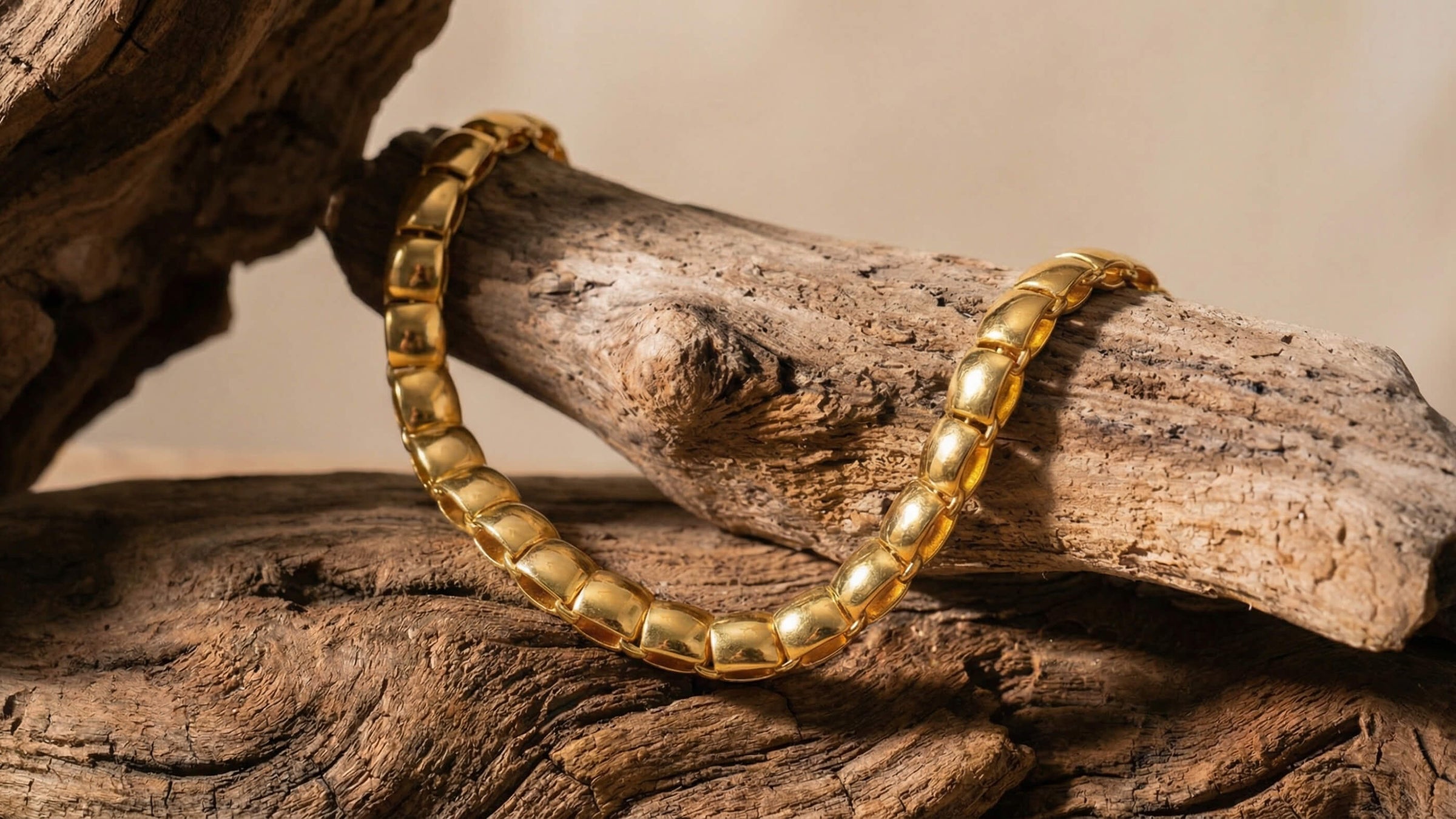
Bali Silver, Decoded: What It Really Means, How It’s Made, and How to Buy Quality That Lasts
If you’ve heard the term “Bali silver” and wondered what it actually means, you’re not alone. In everyday use, Bali silver describes handcrafted sterling silver jewelry made on the island of Bali—especially in renowned silversmithing communities like Celuk—often featuring distinct weaving, granulation, and oxidized details. For shoppers who value longevity, the big questions are simple: Is Bali silver real sterling? How do you recognize excellent craftsmanship? And how do you care for it so it stays luminous for years?
Here’s a calm, clear guide to Bali silver—what it is, how it’s made, how to judge quality, and how to choose pieces you’ll love wearing on repeat.
What “Bali silver” really means
“Bali silver” is a craft tradition, not a unique metal alloy. In fine jewelry, the standard metal is sterling silver—an alloy that, by law in the United States, contains 92.5% pure silver. You’ll see it represented as “sterling,” “sterling silver,” or a “925” stamp. That number matters: it’s the difference between solid sterling and silver‑plated base metals that only look the part. The Federal Trade Commission’s consumer guidance is explicit: silver, sterling, and sterling silver mean 92.5% silver, often marked “925.” That’s your baseline when you shop. (See the FTC’s consumer advice on precious metals.)
Bali’s long silversmithing heritage centers on Celuk, a village celebrated for intricate, hand‑worked silver that ranges from woven chains to richly patterned bracelets. Indonesia’s official tourism board highlights Celuk as Bali’s hub for gold and silver workmanship, with a recognizable aesthetic that balances crisp white‑silver surfaces and selectively darkened (oxidized) recesses that reveal texture. If you appreciate pieces that feel both modern and storied, Bali silver sits right in that sweet spot.
How Bali artisans build beauty: weaves, texture, and finish
At Zalori, you’ll see Bali‑inspired chains and bracelets that showcase this tradition in contemporary form. Start with woven chains. The foxtail weave interlocks V‑shaped links for a supple, rope‑like drape with architectural definition; it’s a favorite because it flows on the wrist yet reads strong and substantial. Explore the foxtail family in our curated Foxtail Chains collection.
For statement weight, Bali work often features dense link architecture with secure, engineered clasps. A great example is the hand‑built push‑button pusher clasp used in substantial bracelets. If you want a bold, heirloom‑level piece that embodies this approach, examine The Legend – Heavy Bali Silver 2.0 Bracelet: over 100 grams of solid 925 with a sculptural weave and a custom clasp built for daily wear. Prefer a sleeker silhouette? The Arc X – Heavy Foxtail Silver 2.0 Bracelet distills the foxtail pattern into a powerfully clean 12 mm profile.
Texture and contrast are part of the language. Traditional Balinese work often uses oxidation—intentionally darkening the background—to make polished elements pop. Some pieces also incorporate granulation: tiny precious‑metal beads applied in ornamental patterns. While the ancient technique is global, Balinese artisans pair it beautifully with clean modern lines, resulting in jewelry that looks refined rather than fussy.
Is Bali silver always sterling?
Quality makers use sterling (925) as the standard for strength, brightness, and longevity. In U.S. markets, calling something “sterling silver” or marking it “925” communicates a specific composition—92.5% silver. The FTC spells this out clearly and also distinguishes silver plate or base‑metal imitations from solid sterling. When you’re evaluating online, check for the 925 composition in the description and, ideally, close‑up photos of hallmarks.
You may also see certain Bali‑style pieces finished with rhodium—a precious metal plating that boosts brilliance and slows tarnish. GIA notes that rhodium plating can be applied to silver for a bright, mirror‑like finish; it’s common on white gold and sometimes used on sterling silver, too. If you prefer a whiter, high‑gloss look with slower tarnish, rhodium‑finished sterling is a smart option.
Five tells of excellent Bali‑style craftsmanship
Use these quick checks to separate truly well‑made sterling from look‑alikes and to understand price differences:
-
Honest metal disclosure and hallmarks
Look for “sterling silver” or “925,” ideally shown in macro photos and stated in the specs. Responsible sellers follow U.S. guidance on precious‑metal descriptions—and the “925” mark means something precise. For deeper context on hallmarks and authenticity tools, read our breakdown of non‑destructive testing and stamps in Demystifying Jewelry Hallmarks and XRF Testing.
-
Secure, serviceable clasp hardware
A substantial bracelet deserves a clasp to match. Hand‑built pusher clasps with internal springs should click positively, sit flush, and resist accidental opening. Lesser hardware can be the weak link; premium clasping is one reason heavier Bali bracelets cost more.
-
Link integrity and symmetry
In weaves like foxtail, Persian, or Byzantine, links should be tight, even, and consistent around the entire piece. Run the bracelet across your palm: you’re feeling for uninterrupted, fluid movement with no snagging or “flat spots.”
-
Finishing quality (polished highs, clean lows)
Crisp edges, uniform oxidation in recesses, and a mirror‑polished top surface signal meticulous bench work. Smudgy oxidation or abrasive polishing lines are red flags.
-
Proportion and weight that suit daily wear
Heavier isn’t automatically better—but weight should match width and intent. A 12 mm bracelet will naturally feel more substantial than an 8 mm one; make sure the clasp and fit balance that heft. Premium pieces list approximate weights and offer clear sizing guidance.
Sizing and fit: quick pointers for bracelets and chains
A comfortable fit preserves both beauty and longevity. For bracelets, many artisans recommend adding 0.5–1.0 inch to your wrist measurement depending on weave thickness. At Zalori, product pages share practical suggestions; for instance, The Legend recommends adding about 1 inch for an ergonomic drape, while slimmer weaves often use a 0.5‑inch add‑on. For necklaces, match chain width to your style and pendant plans: slimmer foxtails layer well; thicker versions shine solo. See the spectrum in our Men’s Necklaces and Chains edit.
How to care for Bali silver so it stays bright
Sterling silver naturally develops tarnish from air and moisture exposure. The fix is simple: consistent, gentle care. GIA advises storing sterling in anti‑tarnish pouches or cloth, wiping pieces with a soft cloth after wear, and avoiding harsh chemicals like bleach or ammonia. For routine cleaning, use lukewarm water, a drop of mild soap, and an ultra‑soft brush; rinse and dry thoroughly. Polishing cloths formulated for silver are excellent for restoring luster. If your piece is rhodium‑finished, stick to mild soap and water and skip abrasive polish to preserve the plating.
Pro tips for daily life:
- Put jewelry on last; lotions, sunscreen, and hairspray accelerate tarnish.
- After workouts or swims, rinse and dry pieces promptly.
- Store chains clasped to prevent knotting; lay heavier bracelets flat to avoid kinks.
Bali vs. other artisan silver traditions—what’s distinct?
Many regions excel in silverwork, but Bali’s signature is the combination of dense weaving, sculptural texture, and mindful contrast—bright polish against artful oxidation. Celuk’s silversmiths helped shape that identity, and today’s artisans adapt those roots into streamlined forms that suit modern wardrobes. If you love pieces that read both handcrafted and architectural, Bali‑style foxtails and patterned cuffs hit the mark.
A quick buyer’s checklist (save this)
- Composition: solid “sterling” or “925” in writing, not just “silver‑tone.”
- Hallmarks: clear 925 stamp; maker’s mark is a plus.
- Craft: tight, even links; clean oxidation; no rough edges.
- Clasp: engineered, secure mechanism appropriate to the piece’s weight.
- Specs: width, weight, and size guidance listed; measurements match photos.
- Care: seller provides realistic care info; silver care cloth included where possible.
- Ethos: look for transparency about sourcing, recycled silver, and workmanship.
Bali silver at Zalori: modern, made to last
Our approach is simple: timeless design, honest metals, and craftsmanship you can feel the moment you clasp a piece. If you’re starting your collection, explore the movement and balance of a foxtail bracelet like The Vanguard – Foxtail Silver 2.0 for everyday wear, or step up to the gravitas of The Legend – Heavy Bali Silver 2.0 when you want sculptural presence. For chain lovers, browse the textures and widths in our Foxtail Chains selection; you’ll find options that layer cleanly or stand boldly on their own.
And if you’d like a second set of eyes, our team is happy to walk you through widths, finishes, and sizing. Balancing beauty and longevity is what we do.
Sources we trust (for your own due diligence)
- U.S. Federal Trade Commission—silver and sterling definitions, hallmark guidance for precious metals. See the FTC’s consumer advice on buying platinum, gold, and silver jewelry.
- GIA (Gemological Institute of America)—practical care tips for sterling silver, storage guidance, and notes on rhodium finishing.
- Indonesia’s official tourism board—Celuk highlighted as Bali’s center for gold and silver craftsmanship and typical aesthetic contrasts.
The last word
Bali silver isn’t a mystery metal—it’s a living craft language expressed in sterling silver. When you know what 925 means, how quality shows up in links and clasps, and how simple care keeps pieces bright, you can shop with confidence and wear your jewelry hard and proudly. Ready to find your piece?
Explore handcrafted foxtail chains and Bali‑style bracelets now—then make them yours for years to come.
Related Articles
View all