14k vs 18k Gold: How to Choose the Right Karat for Your Everyday Jewelry
You’re comparing 14k vs 18k gold and wondering which one actually fits your life, style, and budget. Here’s a clear, conversational breakdown from Zalori’s artisan‑first perspective, with quick decision rules, durability realities, and styling ideas you can put to use today.
The quick take
- 14k gold (58.5% pure) is tougher and typically more affordable. It’s a great everyday choice if you’re active, hard on your jewelry, or price‑conscious.

- 18k gold (75% pure) shows a richer color in yellow and rose tones. Choose it when you want elevated luxury, heirloom vibes, or minimal alloy content.
- White gold in either karat often has rhodium plating for a bright, white finish; expect occasional re‑plating over time.

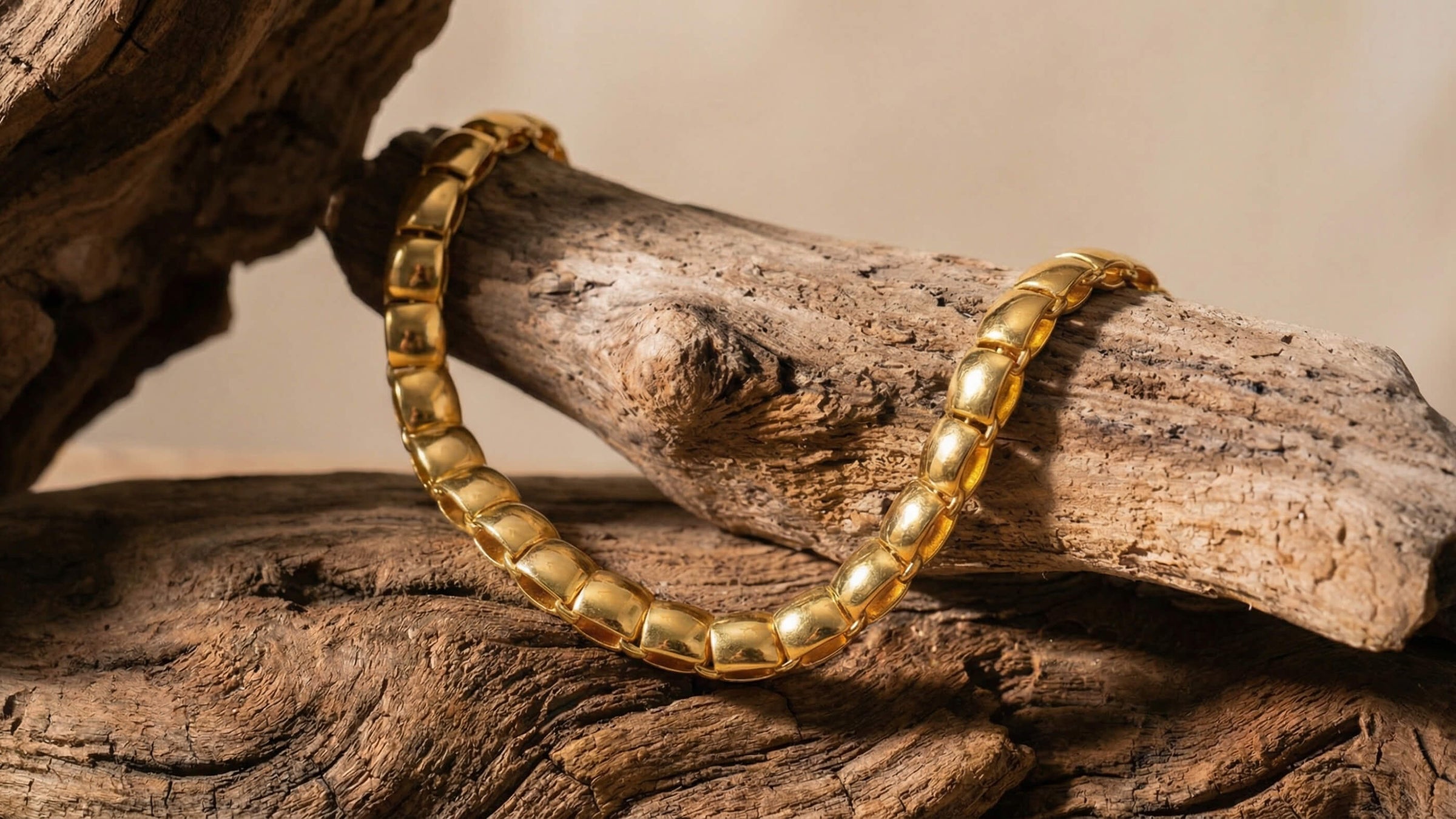
For a feel of 18k’s saturated glow, see the hand‑forged depth on our Vanguard 18k Gold Foxtail Bracelet. Prefer maximum daily durability? Start with 14k pendants from our Women’s Pendants collection, then pick your chain length with our necklace length guide.
What “karat” actually means
“Karat” measures gold purity out of 24 parts. So 14k is 14/24 gold and 10/24 alloy; 18k is 18/24 gold and 6/24 alloy. In the U.S., jewelers must also stamp pieces with a quality mark (like 14K or 18K) and a maker’s trademark to stand behind the karatage. That stamp is your fast track to understanding purity without guesswork. Reputable trade organizations and consumer guidance agree on these standards and definitions, and they’re the baseline for comparing karats across all colors of gold.
Color: where the extra gold shows up
The higher the karat, the warmer and more saturated yellow or rose gold can look. That’s because there’s simply more gold in the mix and slightly less of the alloy metals that lighten or shift the shade.
- Yellow: 18k yellow reads richer and more “true gold”; 14k yellow is a touch paler and often preferred for everyday pieces.
- Rose: 18k rose has lush warmth; 14k rose skews a bit pinker because copper content tends to be higher relative to gold.
- White: Both 14k and 18k white gold are alloys of yellow gold with white metals (often nickel or palladium) and are typically rhodium plated for that mirror‑bright white. Expect to re‑plate periodically depending on wear.
If your goal is unmistakable golden glow, 18k yellow is a mood. If you love a modern, versatile tone that plays well with silver and steel, 14k yellow is a smart daily driver.
Durability and daily wear
Pure 24k gold is soft, which is why jewelers blend it with harder metals. As a rule of thumb, more alloy metals generally mean more scratch resistance. That’s why many everyday rings, chains, and bracelets are crafted in 14k—it strikes a practical balance of beauty and strength. 18k is still absolutely suitable for daily wear, especially for items less exposed to impact (pendants, earrings, some bracelets). But if your lifestyle involves gym sessions, keyboards, or frequent wrist contact with desks, 14k will typically look pristine longer between polishes.
A quick way to decide: ask how hard the piece’s life will be. A sculptural 18k bracelet worn mainly for evenings out? Go for it. A chain you wear through workouts and travel? 14k will be more forgiving.
Skin sensitivity and allergies
Allergies are personal, but many reactions trace back to alloy metals—often nickel in white gold. Two helpful tips:
- If you know you’re nickel‑sensitive, look for white gold alloys that use palladium instead of nickel, or choose yellow/rose gold.
- The lower the karat, the higher the percentage of non‑gold metals. That can raise the chance of irritation for some wearers. If your skin is reactive, 18k (especially in yellow or rose) may be more comfortable.
If you ever experience redness or itching, take a break from the piece and consult a jeweler about the alloy mix. Rhodium plating can also create a barrier on white gold, but it wears with time and should be maintained.
Value, price, and longevity
Because 18k contains more pure gold, it costs more than an equivalent style in 14k. That higher intrinsic gold content is part of its value story, alongside artisan labor and design. 14k keeps cost in check while delivering excellent longevity. For heirloom gifting and milestone pieces, many customers prefer 18k for its richness and tradition; for building a wearable capsule of chains, bracelets, and everyday pendants, 14k often stretches a budget further without sacrificing integrity.
Pro tip: compare like for like. Evaluate weight, link density, clasp quality, and craftsmanship details—not just karatage—when you weigh price versus value.
Yellow vs. white vs. rose in each karat
Here’s how color choice interacts with karat in real life:
- 14k yellow vs 18k yellow: 14k is slightly cooler and easier to mix with stainless watches or silver bracelets; 18k reads deeper and more luminous on skin.
- 14k rose vs 18k rose: 14k can skew pinker; 18k leans luxurious and copper‑glow. Both are durable; choose by hue and wardrobe.
- 14k white vs 18k white: both depend heavily on alloy recipe and rhodium plating for color. Maintenance cycles (re‑plating) are similar; choose based on budget and how you’ll wear the piece.
Want to see saturated 18k in motion? Explore the intricate weave and presence of The Armorer 18k Gold Bracelet or the balanced 8 mm profile of The Axis 18k Gold Bracelet.
Which should you choose?
Use this quick framework:
- Lifestyle: If you’re hands‑on, 14k minimizes worry. If you rotate pieces and dress up often, 18k feels special every time.
- Skin: Sensitive to nickel? Favor 18k yellow/rose or nickel‑free white gold alloys.
- Aesthetic: Want maximum golden glow? 18k. Prefer a versatile, modern tone that layers with silver and steel? 14k.
- Budget: Stretching for a signature piece? Make it 18k. Building a core stack? Choose 14k for stamina and value.
Still torn? We’re happy to help you compare alloy options to your wardrobe and daily routine.
Care that keeps both karats beautiful
Gold doesn’t tarnish, but alloys and finishes deserve gentle care:
- Clean with warm water, a drop of mild dish soap, and a very soft brush. Rinse and pat dry with a lint‑free cloth.
- Avoid chlorine, harsh chemicals, and abrasive compounds.
- Store pieces in soft pouches to prevent rub wear.
- For white gold, re‑plate rhodium as needed to refresh brightness.
Consistency beats intensity: light, regular care preserves polish, prongs, and clasp action for years.
Styling ideas from the Zalori studio
- The statement wrist: Anchor a neutral wardrobe with the sculptural flow of the Vanguard 18k Gold Foxtail Bracelet and keep other jewelry minimal.
- Daily pendant mix: Choose a meaningful 14k pendant from Women’s Pendants, then size your chain using our Necklace & Chain Length Guide for perfect placement.

- Mixed‑metal stack: Pair 14k yellow with sterling silver bangles for balanced contrast; reserve 18k for a single, luminous centerpiece.
Bottom line
There’s no wrong answer in the 14k vs 18k gold conversation—only the answer that matches how you live and what you love. 14k is the all‑day, everyday hero. 18k brings heritage color and elevated presence. Choose the one that feels right on your skin and right in your calendar, then wear it often.
Ready to choose? Explore our handcrafted 18k selections or build an everyday stack in 14k—and if you want one‑on‑one guidance, our team is here to help.
Related Articles
View all