Buying Diamonds as an Investment: What You Need to Know
Why Investment Grade Diamonds Matter for Wealth Preservation
Investment grade diamonds are high-quality natural diamonds meeting strict criteria that make them suitable for long-term wealth preservation. Representing the top tier of diamond quality, these exceptional stones offer unique advantages as tangible assets for portfolio diversification.
Key characteristics of investment grade diamonds:
- Color: D-F grades (colorless)
- Clarity: IF-VVS2 (Internally Flawless to Very Very Slightly Included)
- Cut: Excellent or Very Good ratings
- Carat: Typically 2+ carats for maximum investment potential
- Certification: GIA, IGI, or HRD authenticated
- Rarity: Fancy colored diamonds (only 0.01% of natural diamonds)
The global diamond investment market reached $97.57 billion in 2024, reflecting the historical resilience of natural diamonds through economic downturns. As tangible assets, they offer portability, durability, and privacy, serving as a hedge against inflation.
However, diamond investing requires careful consideration of challenges like limited liquidity, price volatility, and high transaction costs. Success demands thorough research, a long-term perspective, and working with reputable dealers who provide proper certification.
As Eric Roach Zalori, a venture capitalist with experience in precious asset investments, I've seen how investment grade diamonds can complement a portfolio when selected with expertise. At Zalori, we focus on providing access to authentic, high-quality assets that meet the strictest investment standards.

What Defines an Investment-Grade Diamond?
An investment grade diamond is not just beautiful; it's an exceptional stone capable of preserving and growing wealth for generations. These are the absolute cream of the crop, so rare and perfect that they transcend adornment to become true financial assets. Their special status comes from achieving excellence across the "Four Cs"—Color, Clarity, Cut, and Carat weight—combined with proper certification and genuine rarity.
What Distinguishes Investment Grade Diamonds from Regular Gems?
Most diamonds, even gorgeous ones in jewelry stores, don't meet investment criteria. They are wonderful for celebrating special moments but are too common to hold serious investment potential. Investment grade diamonds are in a different league, where exceptional quality across all Four Cs is mandatory.
- Color: Grades must be D, E, or F. These are truly colorless stones that have historically maintained the strongest demand and value.
- Clarity: Grades must be IF (Internally Flawless) to VVS2 (Very Very Slightly Included), meaning the stone has virtually no inclusions visible under 10x magnification.
- Cut: The quality must be rated "Excellent" or "Very Good" for cut, polish, and symmetry. This determines how brilliantly the diamond reflects light.
- Carat Weight: Stones over 2 carats are especially prized, as rarity increases exponentially with size.
- Fluorescence: This should be "None" or "Slight," as strong fluorescence can create a milky appearance that hurts market value.
Understanding these standards is the difference between owning a beautiful stone and a true investment. For more insights, explore our guide on finding your authentic stone jewelry online.
The Crucial Role of Certification
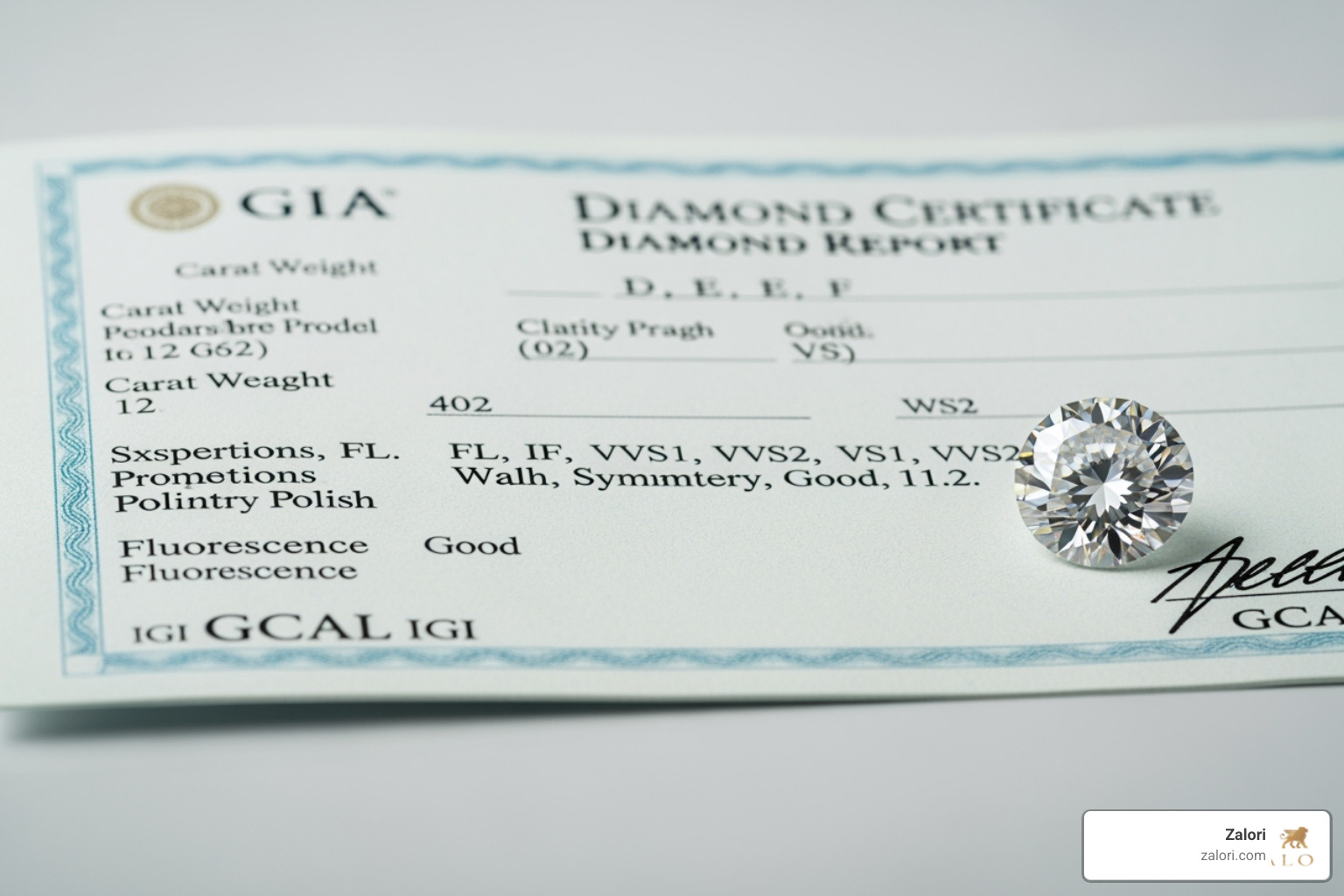
Buying an uncertified diamond for investment is an enormous risk. Certification from reputable labs like GIA, IGI, or HRD is essential. These organizations provide unbiased, professional assessments of a diamond's quality, acting as its official report card.
Certification provides an authenticity guarantee, ensuring your diamond is natural and accurately graded. It creates transparency with a universal language for comparing stones globally. Crucially, certified diamonds command significantly higher prices at resale because buyers trust the documentation. GIA certificates are widely considered the gold standard, and knowing your investment is properly graded adds tremendous peace of mind.
Only about 20% of vendors consistently carry GIA certified diamonds, making reputable sources vital. Learn more in our article: Open up the Truth: Why Certified Gemstone Jewelry Is Your Best Bet or directly from GIA Certification.
Rarity and the Value of Colored Diamonds
The primary driver of diamond investment value is rarity. Nothing demonstrates this better than fancy colored diamonds, which are among nature's rarest creations.
An astonishing 0.01% of natural diamonds display fancy colors. While colorless investment grade diamonds hold significant value, fancy colored diamonds represent the ultimate in rarity and investment potential. Pink, blue, and red diamonds have the greatest potential due to their extreme scarcity and consistent demand from collectors and royalty.
The investment landscape for colored diamonds became even more compelling with the closure of key sources like the Argyle mine, which produced most of the world's pink diamonds. This has made existing stones even more precious. Owning a fancy colored diamond means holding one of nature's rarest masterpieces—a tangible piece of history that drives serious investment returns.

The Pros and Cons of Diamond Investing
No investment is perfect, and investment grade diamonds are no exception. While they offer unique advantages, they also come with challenges that any potential investor must understand. Here's a straightforward comparison:
| Advantages | Disadvantages |
|---|---|
| Portability: High value in a small, easily transportable form. | Liquidity: Can be less liquid than other assets; selling quickly may be challenging. |
| Durability: Hardest natural substance, resistant to damage. | Market Volatility: Prices can be influenced by economic conditions and consumer trends. |
| Value Retention: Historically resilient, showing long-term appreciation. | High Buy-Sell Spread: Significant difference between wholesale and retail prices. |
| Privacy: Tangible asset not subject to public reporting. | Price Transparency: Complex grading makes uniform pricing difficult. |
| Hedge Against Inflation: Can maintain purchasing power during economic uncertainty. | Tax Implications: Subject to capital gains tax as a collectible. |
| Global Currency: Universally recognized and negotiable worldwide. | Storage & Insurance Costs: Requires secure storage and appropriate insurance. |
Advantages: Why Diamonds Shine in a Portfolio
Investment grade diamonds offer compelling advantages that traditional investments can't match, especially during economic turbulence.
- Inflation Protection: These tangible assets have historically served as a reliable hedge against inflation. Diamond prices increased an average of 4-5% annually between 1960 and 2020, preserving real wealth.
- Portability and Privacy: A single one-carat diamond can hold the same value as a kilogram of gold, offering an unparalleled ability to transport significant wealth discreetly.
- Durability: As the hardest natural substance on Earth, diamonds do not rust, tarnish, or deteriorate. They require no special maintenance to retain their brilliance and value for generations.
- Global Currency: A high-quality certified diamond is recognized and valued worldwide, making it liquid across international borders.
- Historical Performance: Diamonds have shown remarkable resilience through multiple economic cycles, maintaining their allure and value through wars, recessions, and market crashes.
For more insights into the enduring appeal of these stones, you might find our guide to diamond rings in Los Angeles interesting.
Risks and Challenges to Consider
Understanding the challenges of diamond investing is crucial for making smart decisions.
- Liquidity: Selling a high-value diamond can take time. Unlike stocks, there is no central exchange for instantly converting a stone to cash, which can be problematic if you need funds quickly.
- Market Volatility: Economic downturns can reduce demand for luxury items, and geopolitical events in diamond-producing regions can disrupt supply chains, affecting prices.
- Price Transparency: Each diamond is unique, making uniform pricing difficult. While guides like the Rapaport Diamond Report exist, actual transaction prices vary significantly.
- Transaction Costs: Retail markups and seller discounts (often 15-20% off retail) can be substantial. Appraisal fees and commissions also eat into returns.
- Tax Implications: In the U.S., diamonds are classified as collectibles and are subject to a 28% capital gains tax rate, which can significantly impact overall returns. Always consult a tax professional.
These challenges mean investment grade diamonds work best as a long-term holding within a diversified portfolio. For a deeper look at market dynamics, articles discussing why diamond sales have been weak can provide valuable context.
Strategic Guide to Buying and Selling Investment Grade Diamonds
Successfully investing in investment grade diamonds is a sophisticated endeavor requiring careful planning, market knowledge, and patience. The market operates on reputation and expertise, where due diligence is essential. Understanding the strategic landscape will make the difference between a wise investment and an expensive mistake.

Best Investment Strategies
Successful diamond investors share certain approaches that maximize returns while minimizing risks. These are time-tested strategies that align with the unique nature of this asset class.
- Adopt a Long-Term Perspective: Investment grade diamonds are a long-term hold. The ideal holding period is measured in years, even decades, allowing the diamond's value to appreciate and smoothing out short-term market volatility.
- Diversify Your Holdings: Consider spreading your investment across different types of stones. Combining exceptional colorless diamonds with rare fancy colored stones, or mixing carat weights and cuts, helps protect your portfolio if one market segment weakens.
- Focus on Quality and Rarity: Never compromise on quality. Focus on stones with the highest marks across the Four Cs (D-F color, IF-VVS2 clarity, Excellent cuts) or the rarest fancy colored diamonds. These have the strongest track record for appreciation.
- Build a Network: This industry thrives on trust. Cultivating relationships with reputable dealers, auction house specialists, and collectors can provide insider insights and smoother transactions.
How Market Factors Influence Prices
The diamond market responds to real-world factors. Understanding these forces helps you time investments and set realistic expectations.
- Economic Conditions: A strong economy boosts consumer confidence and spending on luxury items, including investment grade diamonds. Economic downturns can temporarily soften demand.
- Geopolitical Events: Since mining is concentrated in specific regions, political instability in Africa or Russia can disrupt supply and cause price spikes.
- Supply Chain Disruptions: Mining accidents or strategic production cuts by major producers like De Beers can impact availability for years.
- Consumer Preferences: While the popularity of diamond engagement rings provides a stable demand base, shifts in preferred cuts or sizes can create opportunities for savvy investors.
- Global Demand: Major markets like the United States, China, and India drive global consumption. The U.S. alone accounts for roughly half of global demand, making its economic health critical.
Staying informed on these dynamics is practical intelligence. Resources like the Wall Street Journal's coverage of new institutional investment vehicles offer valuable insights.
Where to Buy and Sell Your Diamonds
Knowing where to transact is as important as knowing what to buy. Each channel has its own advantages for serious investors.
- Reputable Wholesale Dealers: This is often the best source for acquiring investment grade diamonds. Wholesalers have lower overhead and better pricing than retailers. Find dealers with proven track records and a commitment to GIA certification.
- Auction Houses: Venues like Sotheby's and Christie's are the pinnacle of the market, especially for unique or historically significant stones. They offer transparent platforms but charge significant buyer's premiums and seller's commissions.
- Specialized Online Platforms: These are legitimate channels, but they require extreme due diligence. Always verify seller credentials, demand complete certification from respected labs, and understand all policies before buying.
- Avoiding Retail Markups: Traditional jewelry stores, with markups of 100% or more, are not suitable for investment purposes. Their business model is not aligned with long-term value objectives.
At Zalori, our uncompromising standards and meticulous selection of authentic materials position us uniquely in this space. When selling, work with entities that understand the true value of your stones and can connect you with the right buyers. Proper certification is paramount. For insight into quality standards, explore our handcrafted diamond rings.
The Evolving Diamond Market: Key Trends for Investors
The diamond market is constantly evolving, shaped by global economics, new technologies, and changing consumer values. Understanding these trends is essential for navigating your investment journey.
The global diamond investment market reached USD 97.57 billion in 2024 and is projected to grow to USD 114.7 billion by 2026. This growth reflects a deeper understanding of diamonds as tangible assets that can weather economic storms. When traditional markets are volatile, investors increasingly turn to physical assets. For historical context, the Global Diamond Report 2014 by Bain & Co. offers valuable insights.
Natural Diamonds: Enduring Value and Investment Potential
Despite market changes, natural diamonds remain the gold standard for serious investors. The geological miracle of a stone formed over billions of years translates directly into investment value.
The value appreciation of natural, investment-grade stones has been proven over time. Each one is unique, a fundamental driver of its long-term value retention. The industry has also made huge strides in ethical sourcing. The demand for conflict-free, responsibly sourced diamonds has strengthened market acceptance and their appeal to conscientious investors.
At Zalori, we believe provenance matters as much as beauty. Our meticulous selection process ensures every stone meets both our quality and ethical standards, helping maintain the integrity and value of these precious assets. While alternatives exist, the conversation on long-term wealth preservation always returns to natural diamonds. Our article on Moissanite vs. Diamond provides helpful context on different stone types.
Why Natural Diamonds Are Preferred for Investment
For serious investments, natural investment grade diamonds are in a class by themselves due to compelling fundamentals.
- Rarity: Natural diamonds are a finite resource. With only 0.01% of natural diamonds displaying fancy colors, these are incredibly scarce. As mines are depleted, the supply of new, high-quality stones will shrink, making existing ones more valuable.
- Long-Term Value Retention: High-quality natural diamonds have a consistent, long-term track record of holding and growing their value, acting as a safe harbor in stormy economic weather.
- Global Recognition and Demand: The natural diamond market is predicted to reach $65.22 billion in 2024, driven by both jewelry and investment demand. This ensures a robust market for quality stones.
- Tangible Durability: A natural diamond is a physical asset that will last for generations, making it ideal for long-term wealth transfer and legacy building.
- Historical Performance: Fancy colored diamonds have repeatedly shattered auction records, underscoring their unique position as luxury investments with serious financial potential.
These factors explain why natural diamonds remain the clear choice for discerning investors seeking to diversify with a beautiful, durable, and genuinely valuable asset.
Frequently Asked Questions about Diamond Investing
When considering adding investment grade diamonds to your portfolio, it's natural to have questions. Here are straight answers to the most common concerns.
What are the tax implications of investing in diamonds?
The IRS treats diamonds as collectibles, which has specific tax consequences. Any profit from a sale is subject to the collectibles tax rate, which is a capital gains tax of up to 28%. This is higher than the rate for stocks or bonds and must be factored into your return calculations.
The holding period also matters. If you sell within a year, gains are taxed at your regular income tax rate. To qualify for the long-term capital gains rate (capped at 28% for collectibles), you must hold the diamond for more than a year.
Your diamond collection also becomes part of your taxable estate, which can impact inheritance planning. Finally, be aware of upfront costs like sales tax or VAT, which become part of your investment basis. We strongly recommend consulting with a tax professional who understands collectible assets for personalized advice.
What is the most important factor when choosing an investment diamond?
While several factors work together, the single most important one is certification from a top-tier lab like GIA. It is your diamond's passport, proving its authenticity and providing an unbiased assessment of its quality. Without it, you are buying blind.
Beyond certification, prioritize these factors:
- Rarity: Look for characteristics that make a diamond exceptional, such as D-F color and IF-VVS2 clarity in colorless stones, or the vibrant hues of fancy colored diamonds.
- Cut Quality: An "Excellent" or "Very Good" cut is essential. It open ups the stone's brilliance and fire, directly impacting its beauty and value.
- Provenance: Knowing a diamond's origin and ensuring it is ethically sourced protects your investment and aligns with modern values.
Certification validates all other quality claims and is essential for resale value.
How do I ensure I'm not overpaying for a diamond?
Protecting your investment starts with ensuring you pay a fair price. Here are key strategies:
- Buy from wholesale sources. Retail jewelers have high markups (often 100%+) to cover overhead. Wholesale dealers operate on thinner margins, focusing on the diamond's investment value.
- Compare prices using industry indices. The Rapaport Diamond Report provides a baseline for wholesale trading prices, serving as a valuable reference point.
- Get an independent appraisal. For any high-value purchase, have a certified gemologist who is not affiliated with the seller provide a third-party valuation.
- Understand grading reports. Learn to read a GIA certificate thoroughly. Small differences in grading can significantly affect value.
- Take your time. A reputable dealer will encourage you to do your research and will not use pressure tactics. Good investment opportunities don't require rushed decisions.
Build relationships with reputable dealers who understand the investment market. At Zalori, our focus on exceptional craftsmanship and authentic materials means we prioritize long-term client relationships. The right dealer becomes your partner in building a valuable collection.
Conclusion
The world of investment grade diamonds offers a unique blend of natural beauty and financial opportunity. These exceptional stones are tangible assets that combine historical value appreciation with undeniable aesthetic appeal. Their value is rooted in a proven track record of weathering economic storms and the extreme rarity of top-tier stones, especially fancy colored diamonds which represent just 0.01% of all natural diamonds.
However, investing in diamonds is not a get-rich-quick scheme. Success requires patience, education, and an understanding of the challenges, including liquidity constraints and tax implications (a 28% capital gains rate for collectibles). A long-term holding strategy is essential.
At Zalori, we've built our reputation on uncompromising standards for exceptional craftsmanship and the meticulous selection of authentic materials. We believe that whether you are drawn to diamonds for investment or beauty, knowledge is your greatest asset. The diamond market continues to evolve, but the enduring appeal of these remarkable gems remains constant.
For those willing to do their homework and take a long-term view, investment grade diamonds can add both diversification and a touch of natural wonder to a portfolio. If you're inspired to create something uniquely yours based on these principles, we invite you to learn how we craft your own unique piece with our custom design process. The best investments are often those that bring joy along with returns.
Related Articles
View all